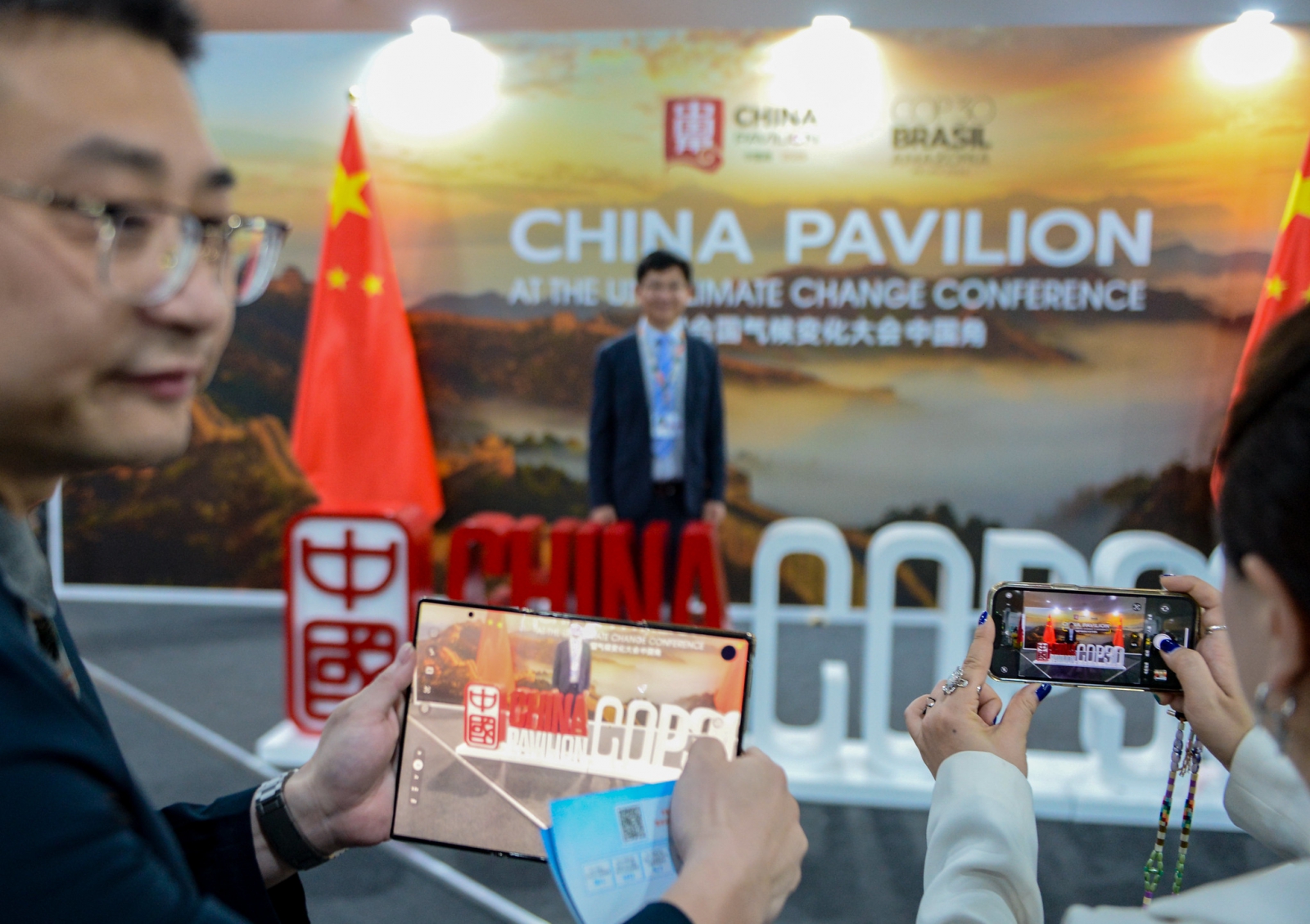
China’s pavilion at COP30 was prominently positioned at the entrance hall. (Photo: COP30)
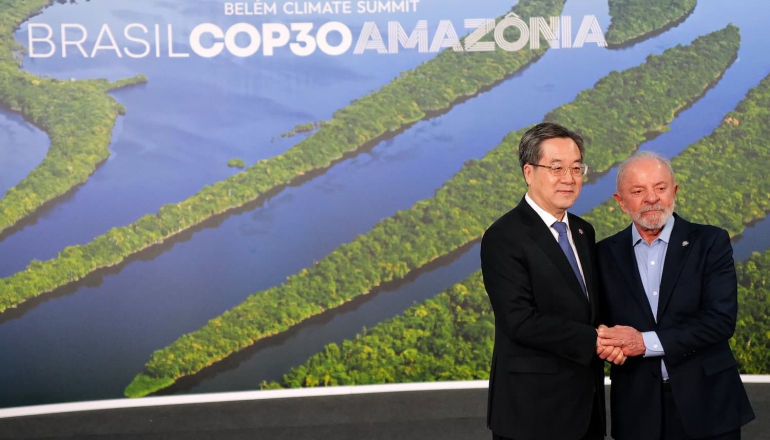
This year’s COP30 brought the world’s climate spotlight to the Southern Hemisphere, as leaders gathered in Belém—a gateway city to the Amazon rainforest. With forest protection, climate finance, and updated Nationally Determined Contributions (NDCs) at the heart of the agenda, the summit also marked the 10th anniversary of the Paris Agreement, drawing global attention. RECCESSARY unpacks the key decisions and emerging trends from this landmark event.
As visitors stepped into the COP30 venue in Belém, Brazil, one of the most prominent sights in the entrance hall was China's presence: the national flag, panda mascots, and published works by President Xi Jinping. With the U.S. absent from a UN climate summit for the first time in three decades, Chinese officials and companies took a notably assertive stance, shifting from a traditionally low-key posture to actively projecting the image of a clean energy export powerhouse.
Meanwhile, emerging markets—expected to drive global economic growth over the next decade—are playing an increasingly pivotal role in climate negotiations. From small island nations advocating for their survival to avoid the rise of climate-induced displacement, to ASEAN countries navigating energy transitions while balancing geopolitical pressures, the Global South is stepping into the spotlight.
“Somehow the reduction in enthusiasm of the global north is showing that the global south is moving,” COP30 President André Corrêa do Lago told reporters in Belém. Yet some experts remain skeptical, arguing that China’s rise in clean tech exports does not necessarily equate to global climate leadership, and that the U.S. continues to exert influence behind the scenes. Nevertheless, with ambition waning in the North, the visible momentum of the Global South is drawing growing international attention.
Chinese clean tech fuels Ethiopia’s fast-track energy development
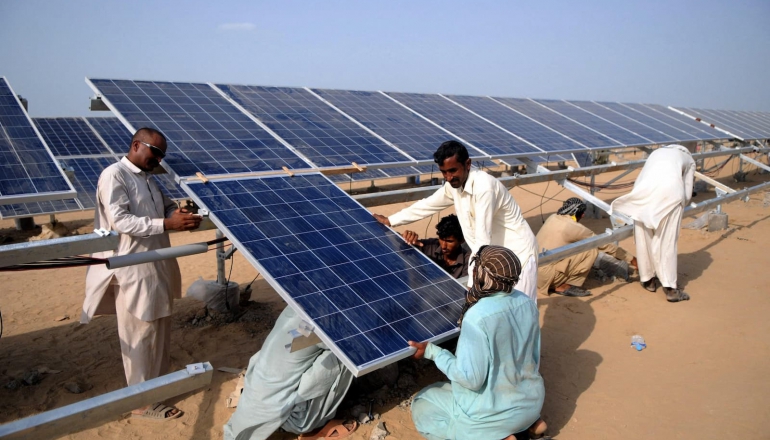
From Asia and Europe to Africa, the footprint of Chinese companies is evident across a wide range of clean energy developments. In Vietnam, onshore wind projects are progressing ahead of schedule; Nigeria has launched its first solar cell manufacturing plant; and countries like Ethiopia and Nepal are poised to leapfrog internal combustion vehicles and enter the electric vehicle era, thanks largely to China’s low-cost, low-carbon technologies.