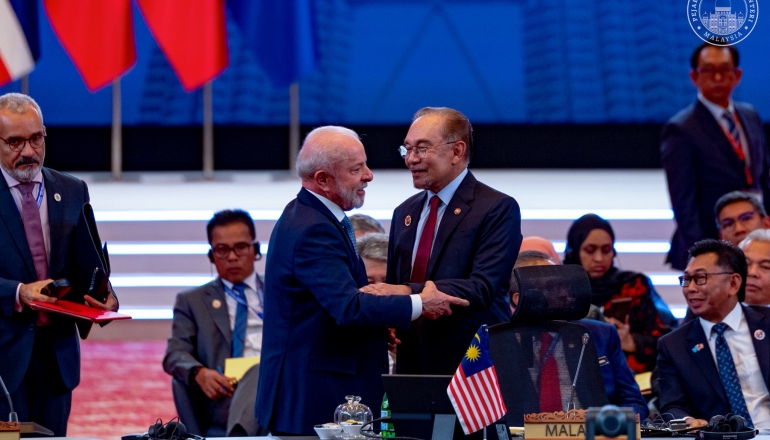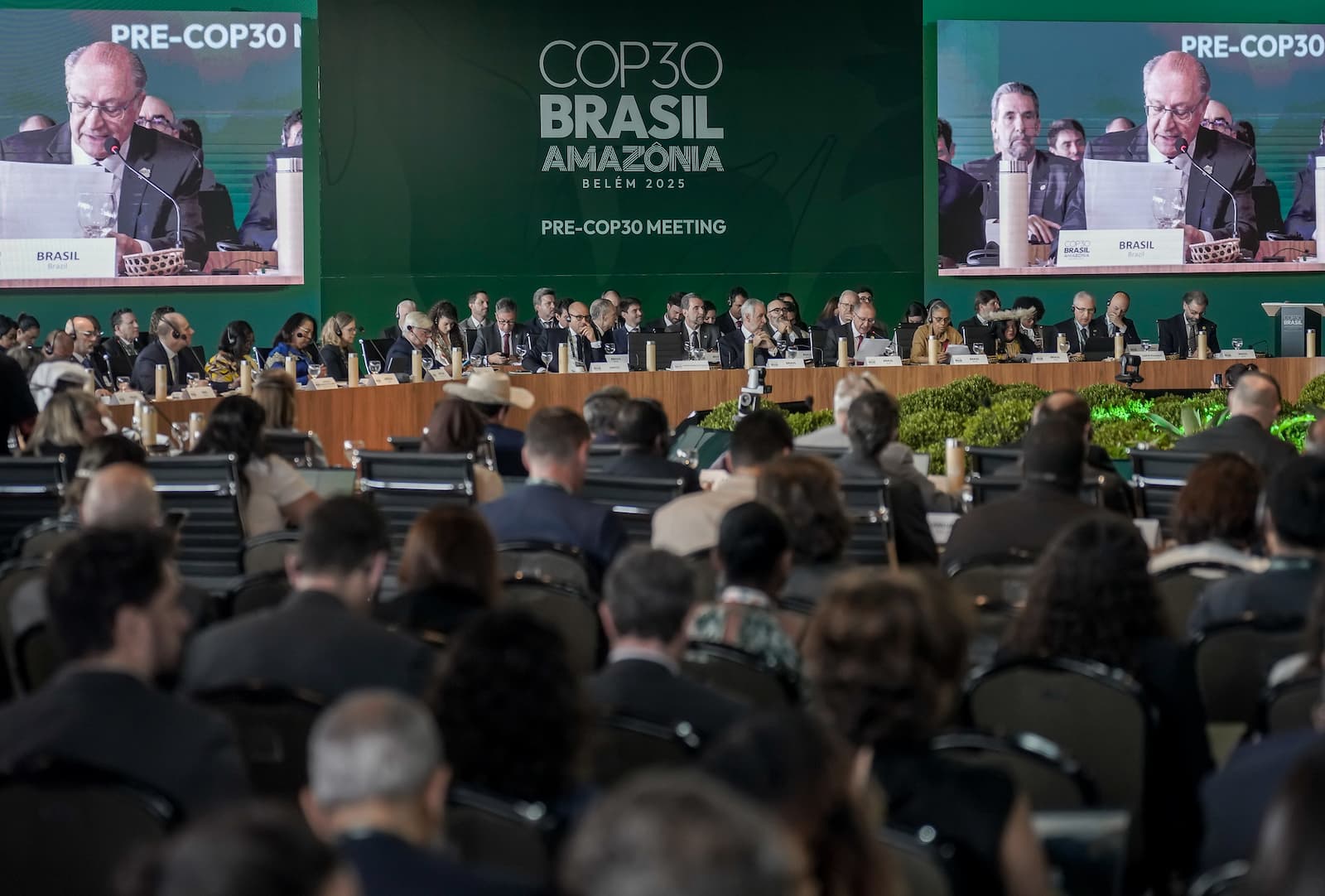
The world will gather in Belém, Brazil, for COP30 in November. The photo shows the Pre-COP meeting in October. (Photo: Rafa Neddermeyer/COP30 Brasil Amazônia/PR)
In November, nearly 200 countries will gather at the gateway to the Amazon for COP30. Brazil wants to prove it can protect the forest and lead the world, but the path ahead is tangled with old politics, new inequities, and an urgent race for climate finance. RECCESSARY outlines five key issues to watch as the world heads into the woods and hopes to find a way out.
1. Setting the stage in Amazon: Protecting and paving the rainforest
COP30 will take place in Belém, a port city at the mouth of the Amazon River, the first UN climate summit ever held in the world’s largest rainforest. President Luiz Inácio Lula da Silva’s administration hopes to showcase Brazil as a forest-climate leader, highlighting falling deforestation rates and positioning the Amazon not just as a symbol of vulnerability but of solutions: a vast natural carbon sink with renewable potential. According to the UN Food and Agriculture Organization, annual deforestation across South America has nearly halved since 1990.
.jpg)
Brazil highlights the decline in deforestation rates across South America, positioning itself as a forest-climate leader. (Chart: Wendy Lo)
On Oct. 22, the World Bank confirmed it will serve as trustee and interim host for the Tropical Forest Forever Facility (TFFF), a flagship forest fund Brazil plans to launch during the summit. With an initial pledge of $25 billion from donor countries and $100 billion in private capital, the TFFF aims to leverage investments in financial markets and channel the returns to nations that keep their forests standing.
This is Brazil’s moment in the global spotlight, but not without its shadows. While it promotes forest protection, the government is pressing ahead with the long-delayed BR-319 highway, which cuts through dense Amazon forest. Environmentalists warn it could open new routes for illegal logging, ranching, and wildlife roadkill, undoing years of conservation progress. Officials insist the project is part of a decades-old development plan, not a showcase for the climate summit, but the road to preservation may be slowed by construction ahead.