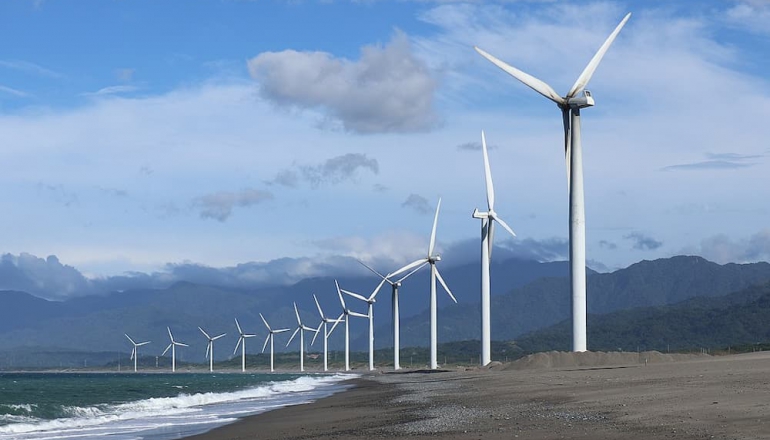
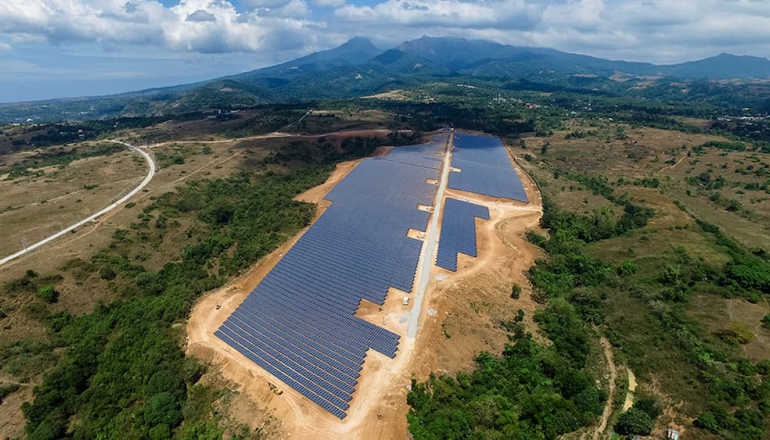
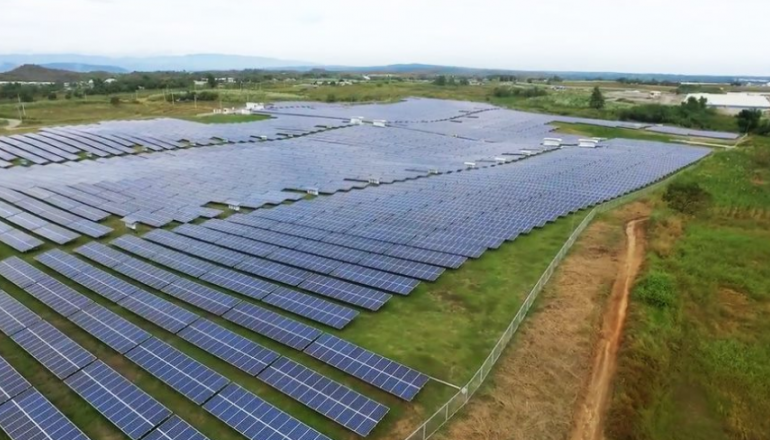
As the country continues to court foreign investment in clean energy, experts and activists worry that ordinary Filipinos will not see the benefits.
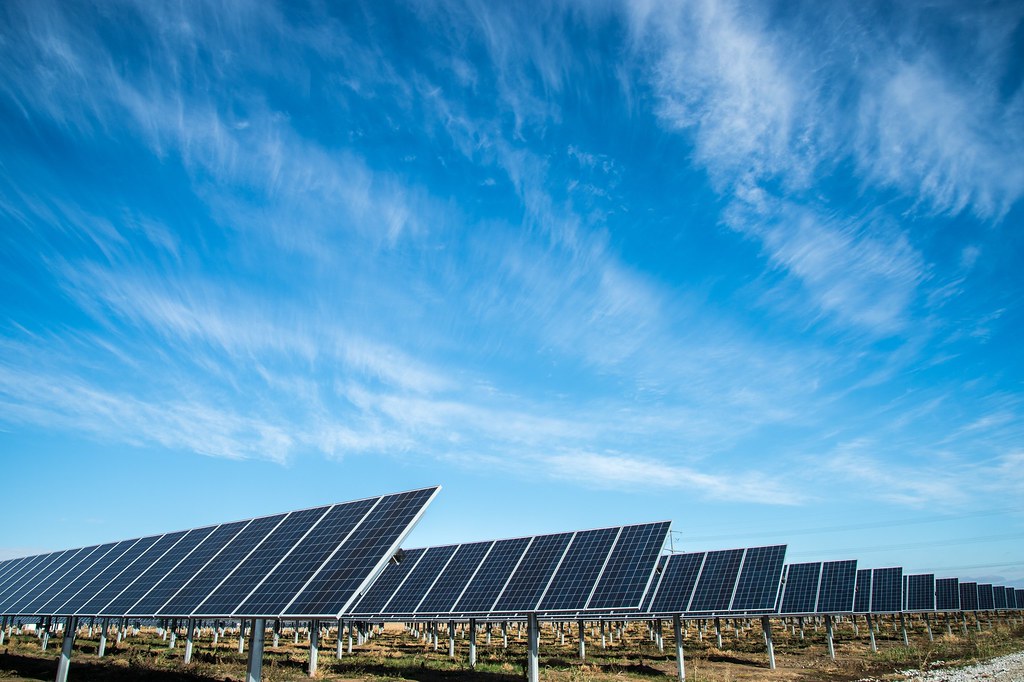
(Photo: iStock)
In November 2022, the Philippines amended its Renewable Energy Law to allow 100% foreign ownership of renewable energy projects. This policy shift came off the heels of a 41% increase in clean energy investment from 2021 to 2022, which contributed to the Philippines being named the fourth most attractive emerging economy for renewable energy investment, according to researcher BloombergNEF.
Despite this progress, coal remains the dominant player in the energy sector. In 2022, renewable energy accounted for only 29.3% of the energy mix, although the Philippine Energy Plan targets increasing that share to 35% by 2040.
While the government continues to offer incentives to attract foreign renewable energy investment, climate activists and rights groups have expressed concern that the distribution of energy and profits will not be equitable.
Will Filipinos benefit from foreign investment?
The surge in foreign investment raises questions about how this influx of capital will affect ordinary Filipinos, particularly regarding energy accessibility and affordability. Despite the government’s push for foreign investment, there has been limited discussion addressing how these benefits will reach consumers.
To attract foreign investors, the Department of Energy (DOE) has introduced various fiscal incentives, including income tax holidays, duty-free imports and a 0% Value-Added Tax (VAT). Additionally, non-fiscal measures like the Renewable Energy (RE) Portfolio Standards, which require energy providers to source a portion of their supply from renewable sources, and the Green Energy Auction Program, designed to boost renewable energy capacity, have been implemented. According to DOE undersecretary Rowena Cristina Guevara, these efforts helped create 360,000 jobs in 2022, and most foreign investors are currently Dutch, Singaporean and Danish companies.