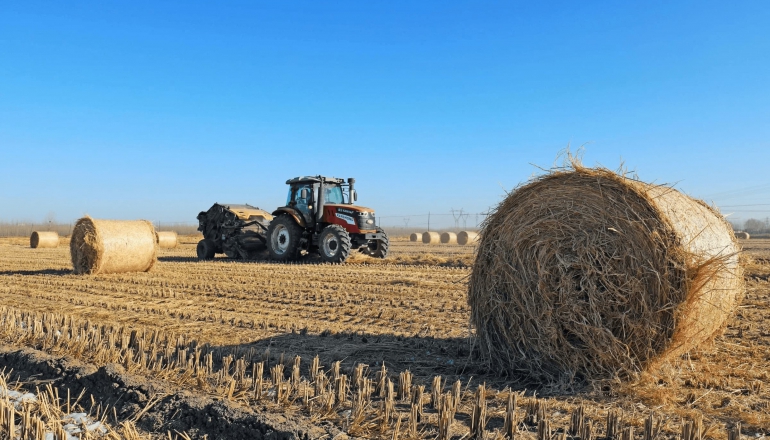
Bioenergy is the largest renewable energy source globally. (Photo: iStock)
Compared to wind and solar, bioenergy receives relatively little attention but is the largest renewable energy source globally, serving as fuel, heat, electricity, and even integrating with carbon capture technologies. Here’s a foundational look at bioenergy’s role and potential.
Why is bioenergy important?
According to the International Energy Agency (IEA), bioenergy, which comes from organic plant materials known as biomass, is the largest renewable energy source, accounting for 55% of renewable energy and over 6% of global energy supply.
Bioenergy is considered low-carbon because the carbon released during combustion is the same carbon absorbed by plants through photosynthesis, creating a near-neutral carbon balance. Replacing fossil fuels with bioenergy could significantly reduce greenhouse gas emissions.
Unlike wind and solar, which are intermittent, bioenergy offers greater adaptability to environmental changes. RECCESSARY’s research indicates that many companies aiming for 100% renewable energy (RE100) maintain stability by incorporating 10-15% bioenergy due to its reliability.