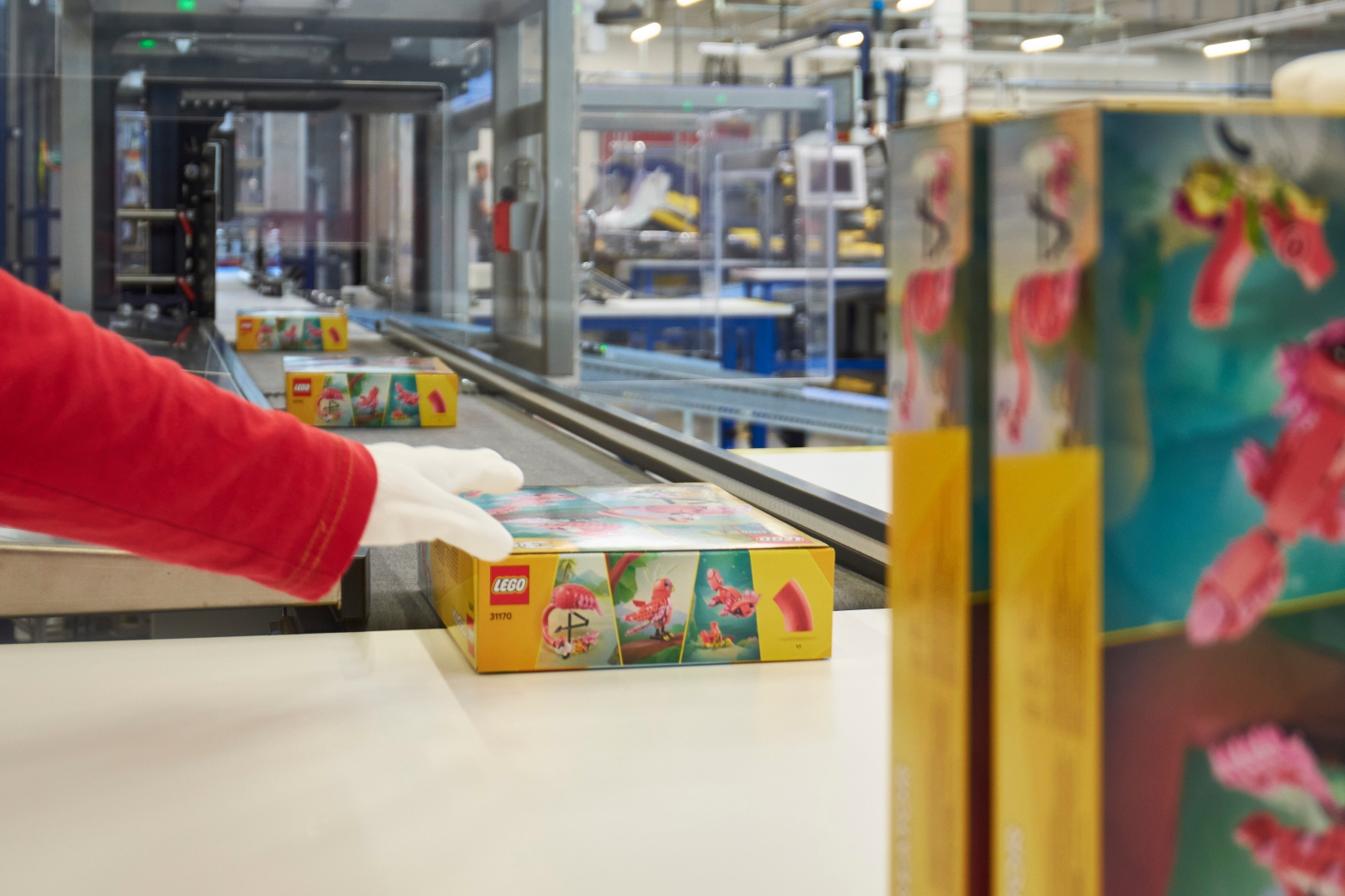
LEGO’s factory in Vietnam stands out as the company’s most environmentally sustainable production site. (Photo: LEGO)
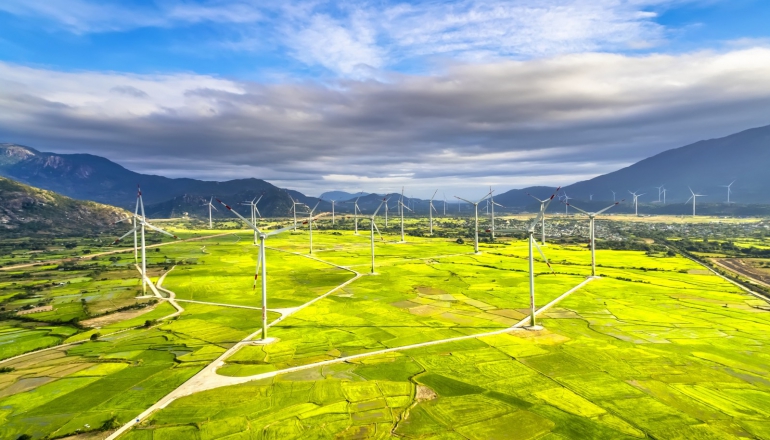
Exports accounted for more than 86% of Vietnam’s GDP in 2023. To fully realize its potential as the “world’s factory 2.0,” the country’s manufacturing-driven industrial parks are stepping up efforts in energy efficiency, emissions reduction, and renewables development to align with global sustainability goals and attract foreign investment. RECCESSARY looks at two landmark projects to examine how Vietnam’s industrial zones are moving toward a greener future.
Carbon-neutral industrial park develops solar plants to supply power via DPPA
Dannish toy giant LEGO’s factory in Vietnam stands out as the company’s most environmentally sustainable production site. The facility is powered largely by renewable energy through its solar and energy storage systems.
Earlier in September, LEGO signed a direct power purchase agreement (DPPA) with the joint venture operating the Vietnam-Singapore Industrial Park (VSIP) in Binh Duong, where the factory is located. The move aligns with Vietnam’s ongoing renewable energy reforms and supports LEGO’s goal of achieving net-zero emissions by 2026.
The third phase of VSIP in Binh Duong is promoted as the country’s first carbon-neutral industrial park. From the design stage, the plan included building a 50-hectare solar farm nearby to supply clean electricity to LEGO and other companies within the park.