.jpg)
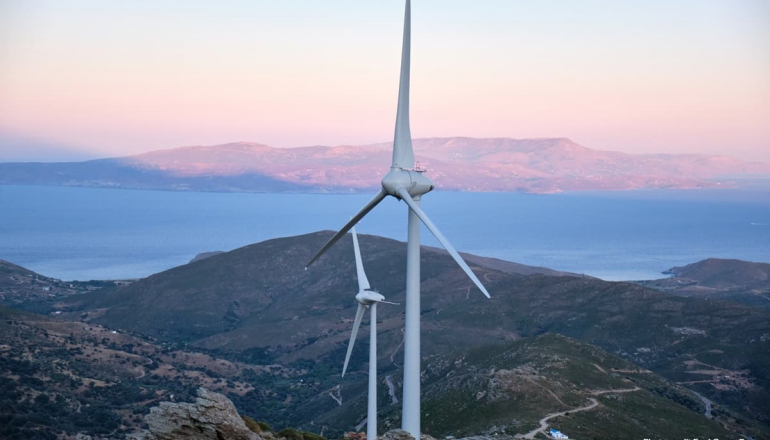
A wind farm in Nakhon Ratchasima, north-eastern Thailand (Image: Chatchai Somwat / Alamy)
The ASEAN region stands at a crossroads in its energy journey. Amid growing demand from industry, rising carbon emissions from fossil fuel reliance, and the pressing need for sustainable growth, the region has an opportunity to redefine its energy future. Enhanced power cooperation, resource sharing and grid connectivity can pave the way to more inclusive approaches to energy sector development.
Our recent analysis for Ember – the energy thinktank we represent – conveys the need for a robust regional energy supply. This need is driven primarily by demand from data centres and the expansion of manufacturing industries. Currently, there are 1.5 gigawatts (GW) of data centres in operation in ASEAN, over 500 megawatts (MW) under construction and nearly 2 GW being planned. Malaysia’s data centre market is projected to grow by 13.9% between 2024 and 2029; Indonesia and Thailand have been attracting data centre investments, largely shifting from Singapore; meanwhile, ASEAN’s manufacturing sector is forecast to grow from USD 1.7 to 2.3 trillion between 2018 and 2029.
In 2023, ASEAN’s clean energy production failed to keep up with a 3.6% rise in electricity demand, which was entirely met by fossil fuels. That demand is expected to rise by 41% by 2030, based on 2023 levels. If this rise is to be met with renewable energy sources, it will necessitate a three-to-fivefold increase in renewable capacity by 2035. With their costs falling, solar and wind power could be adopted at an accelerated pace in ASEAN. In 2023, however, only 2.7 terawatt hours of solar capacity was added.