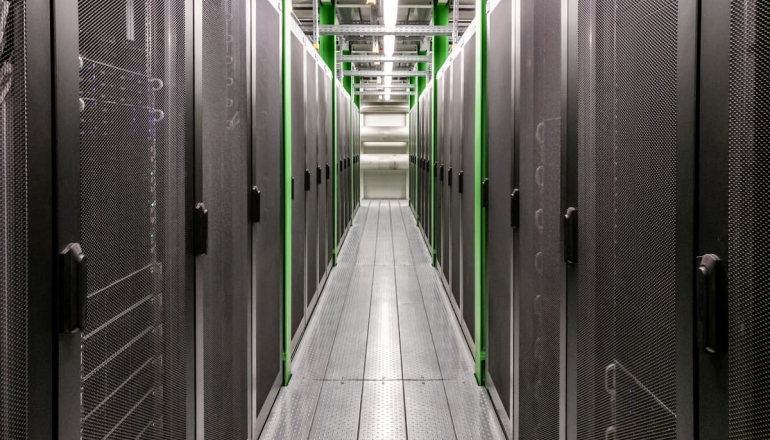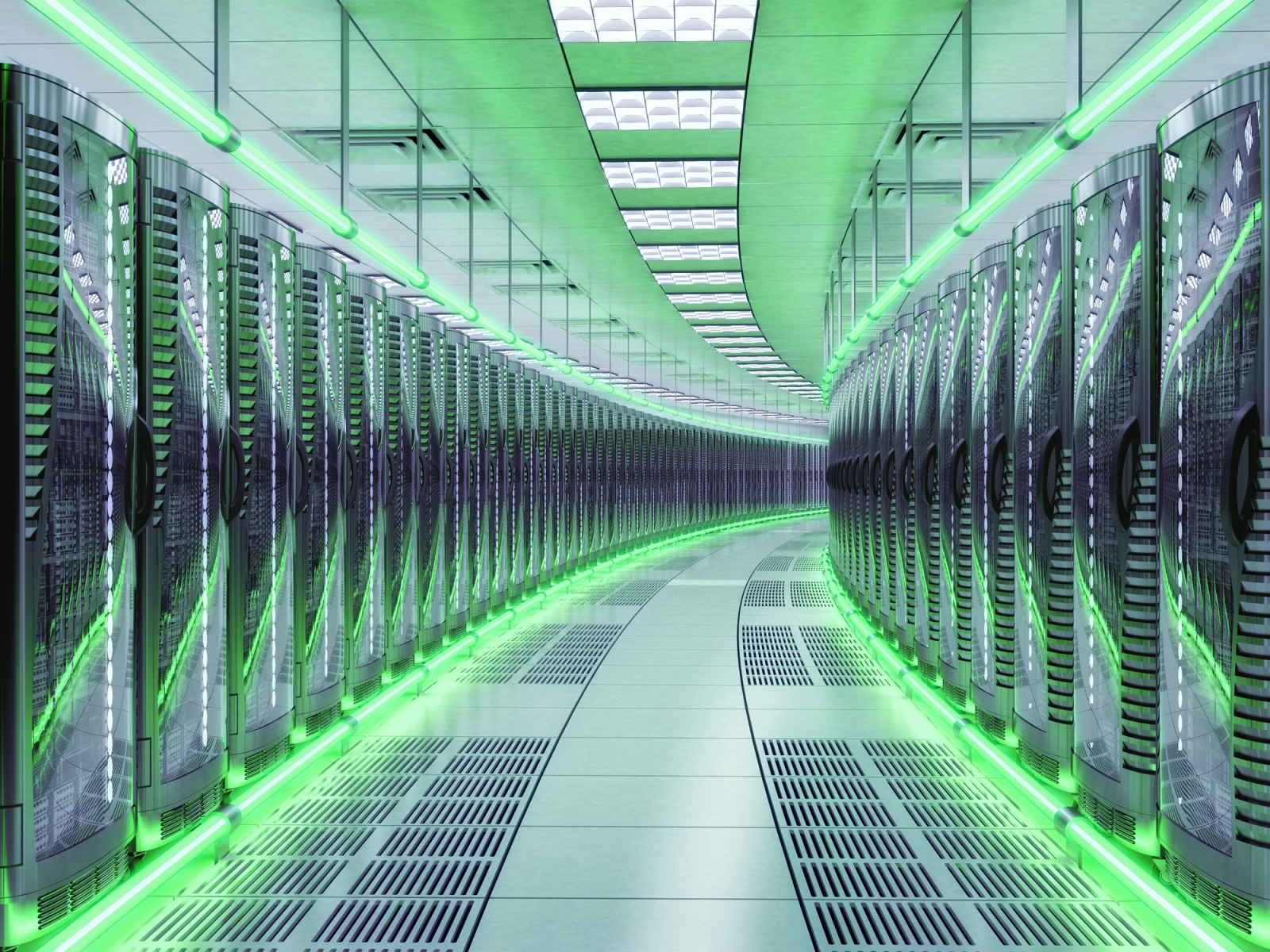
Data processing center. (Photo: iStock)
The rise of artificial intelligence (AI) and other technologies has driven the “surging” growth of data centers in China, with associated increases in energy demand and emissions.
There were 449 data centers in China at the end of 2023, the most in the Asia-Pacific region.
The International Energy Agency (IEA) says in a new report that China accounted for 25% of global data-center electricity consumption in 2024, the second largest consumer following the US.
In common with other countries, China expects the electricity consumption of its data centers to grow rapidly over the next few years, partly as a result of the rise of AI.
However, the scale of current demand – and any future increase – is uncertain.
For now, other drivers of rising electricity demand remain far more important than data centers.
Still, while estimates differ, some reports suggest data center electricity demand could increase from around 100–200 terawatt-hours (TWh) in 2025 to as much as 600TWh by 2030, with associated emissions of 200m tonnes of carbon dioxide equivalent (MtCO2e).
China’s central and local governments have enacted a range of policies to address the environmental impacts of data centers, but challenges remain.
Growing electricity demand
China’s State Council posted a 2021 report from state-owned newspaper China Daily, which said the electricity consumption of China’s data centers in 2020 was 200TWh, some 2.7% of demand that year, rising to 400TWh (3.7%) by 2030. More recent government figures put demand at 77TWh in 2022, 150-200TWh in 2025 and 400TWh by 2030.