Login | Join Member | Subscription | Corporate Partnership

Indonesia to build waste-to-energy plants in 30 cities to tackle pollution

EN
Add to Favorites

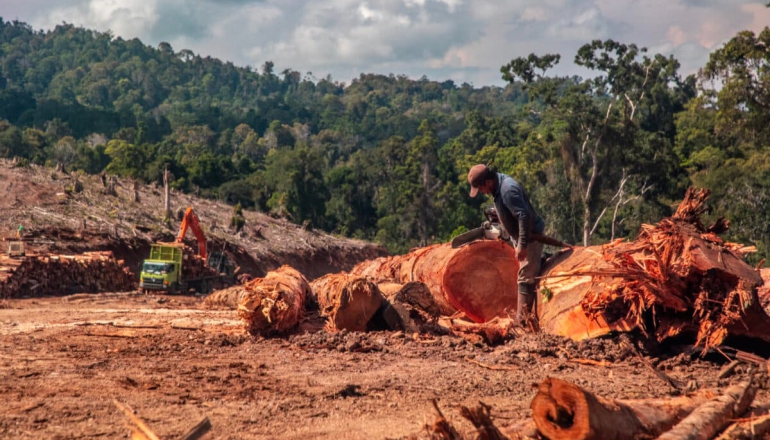
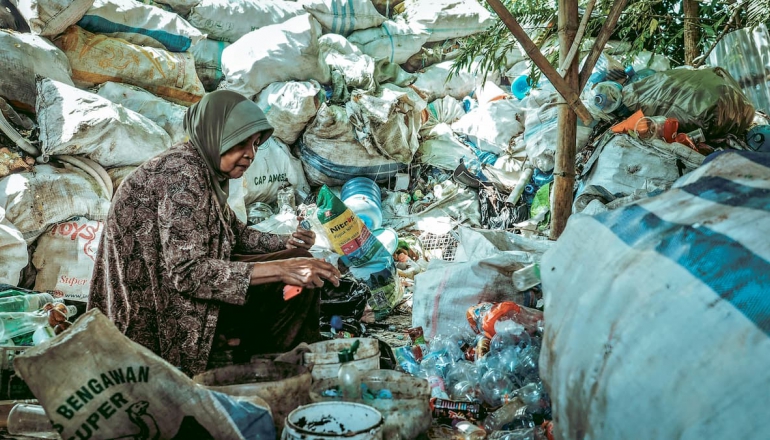
The Indonesian government aims to improve waste management and expand renewable energy. (Photo: iStock)

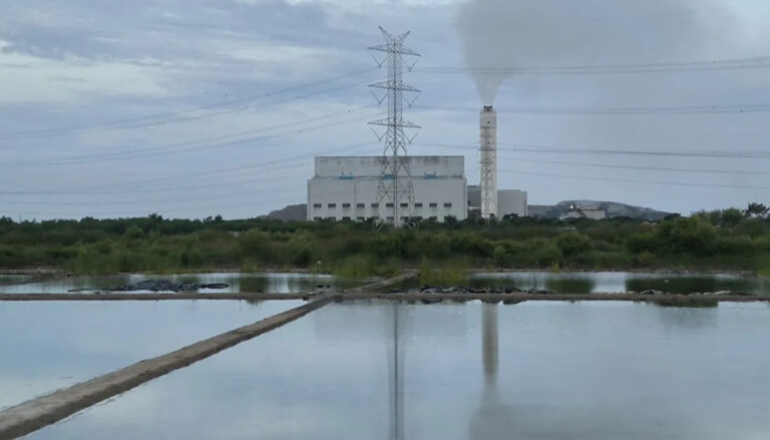
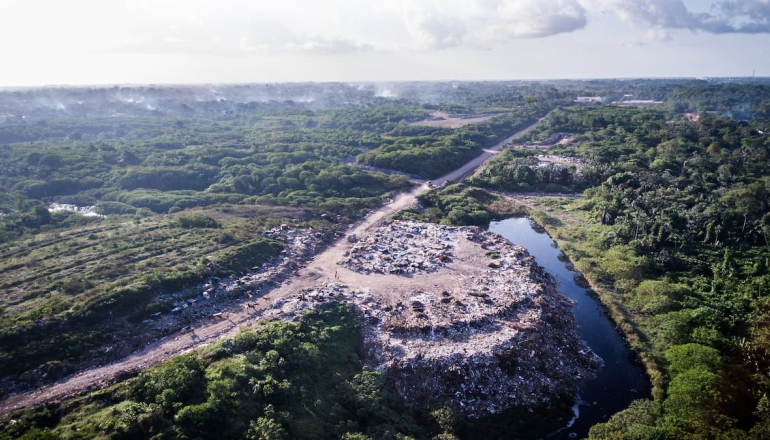
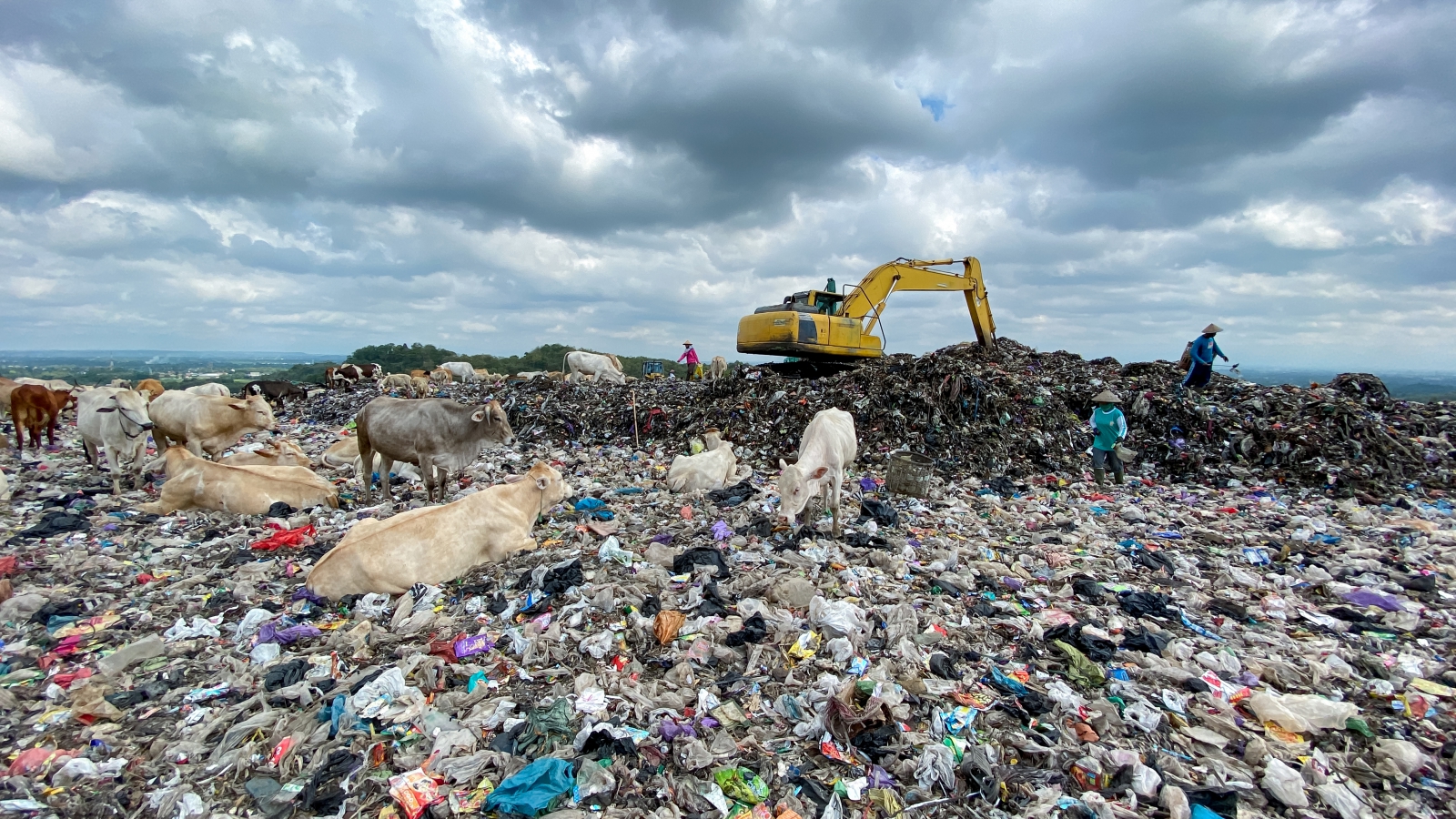
Nearly 60% of waste in Indonesia is not properly managed, with much of it either being incinerated or landfilled, which causes severe environmental pollution. In response, the Prabowo government plans to build waste-to-energy (WTE) plants in 30 cities across the country. These plants aim to manage and reduce waste while providing renewable energy, contributing to the development of the circular economy.

Indonesia's waste management struggles

According to data from Indonesia's Ministry of Environment, the country produced a total of 69.9 million tons of waste in 2023, with food waste accounting for the largest share at 41.6%, followed by plastic, wood, paper, and metal. Methane emissions from food waste account for 77% of the greenhouse gas emissions from Indonesia’s food supply chain. Scientists generally agree that methane has a greater impact on global warming than carbon dioxide.
Don't fall behind the market
Carbon prices, CBAM rules and energy policy shift weekly. Subscribe to unlock this article and all of RECCESSARY's market intelligence.
MONTHLY
US$9.90 /mo
Full flexibility — cancel anytime
Subscribe monthly
BEST VALUE · SAVE US$19.80
ANNUAL
US$8.25 /mo US$9.90
US$99 billed annually · 2 months free
Start your 14-day free trial
Unlimited article access Green power & carbon price data Members-only newsletter Report downloads
New readers enjoy a 14-day free trial · Already a member?
Related Topics
Singapore startup launches solar-powered electric boats with V2G technology
Thaksin backs solar power to cut energy costs for Thailand’s data centers
Back

More Related News

TOP
Download request

Please fill out the form to download samples.

Name
Company
Job title
Company email
By using this site, you agree with our use of cookies.