.jpg)
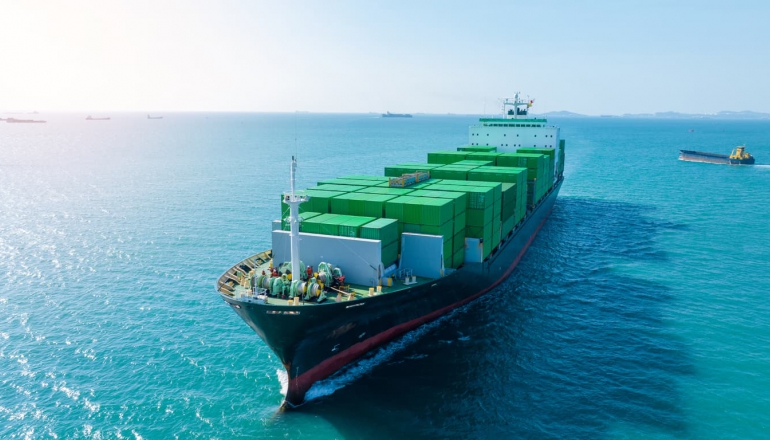
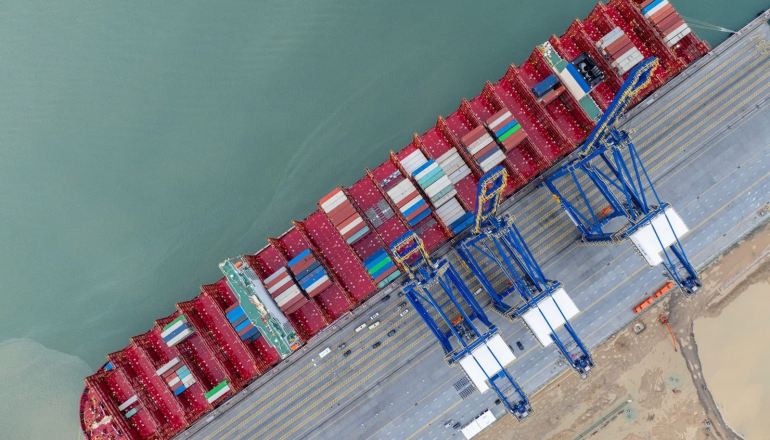
With no clear consensus on the most viable alternative fuels, shipowners face tough choices as the industry pushes ahead with decarbonization. (Photo: iStock)
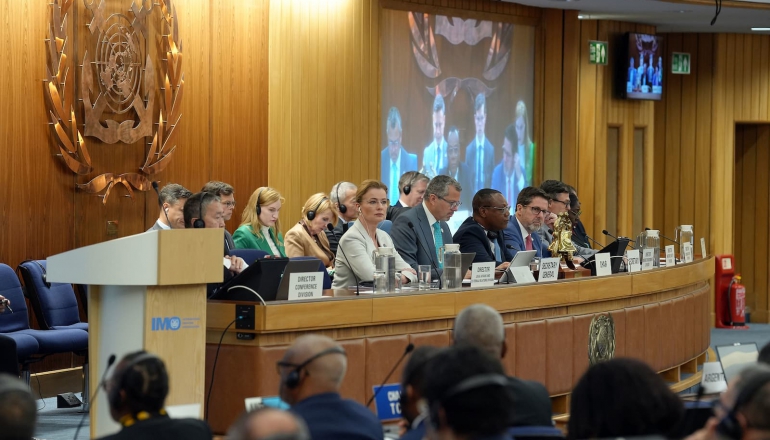
As the global shipping sector enters a pivotal phase in its net-zero transition, political tensions have added new uncertainty. Just ahead of a crucial vote at the International Maritime Organization (IMO), U.S. President Trump threatened tariffs and visa restrictions on the nations backing a carbon levy, prompting a one-year delay in the planned adoption of carbon pricing.
Amid headwinds in the net-zero transition, the rollout of a shipping carbon levy has been put on hold, exposing divisions within the IMO. Member states, shipowners, and fuel suppliers remain at odds over the Net-Zero Framework (NZF), with debates centered on financial risks posed by the levy, the absence of a global fuel certification system, and uncertainties around alternative fuel technologies and market viability.
The delay in implementing the carbon pricing scheme has given shipping companies a temporary policy reprieve. But with the long-term push toward decarbonization unchanged, the question now is how the industry should chart its course for alternative fuels.
Producers: No net-zero framework, no fuel investment
A coalition of major shipping companies has publicly opposed the IMO’s NZF, raising concerns over its financial viability. Industry giants such as Frontline, TMS Group, and Capital Maritime warned that the framework would place an excessive financial burden on both the sector and consumers. Most of these companies operate fleets with a high proportion of liquefied natural gas (LNG) carriers.