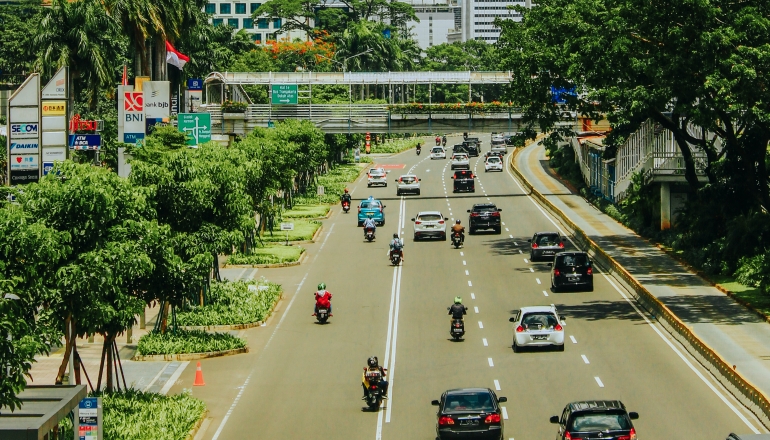
Indonesia officially launched its first Carbon Capture and Storage (CCS) project at the end of November, with plans to leverage thousands of abandoned oil and gas reservoirs for expanded development, aiming to store up to 600 billion tons of carbon. However, experts believe that Indonesia faces significant risks in becoming a hub for carbon storage.
Bill Sullivan, a Jakarta-based lawyer specializing in mining and environmental law, emphasized that while Indonesia's vast land is suitable for CCS development, the real challenges lie in the technology and the associated costs.
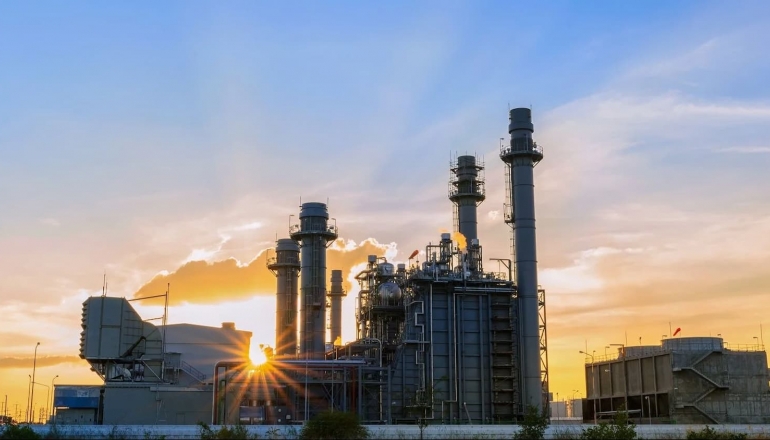
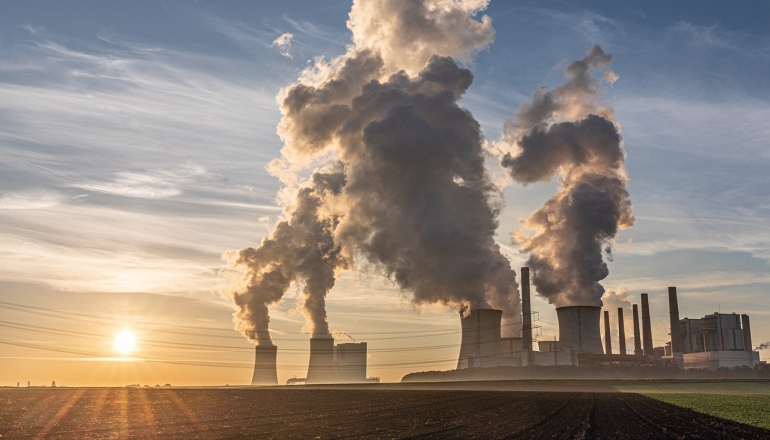
There are generally two types of CCS. The first one, point-source capture, is where fumes emitted from factories and power plants are directly piped into a facility where carbon dioxide is separated from other gases. The second, direct air capture, which extracts carbon dioxide directly from the atmosphere. Both methods ultimately require high-pressure liquefaction for transportation.