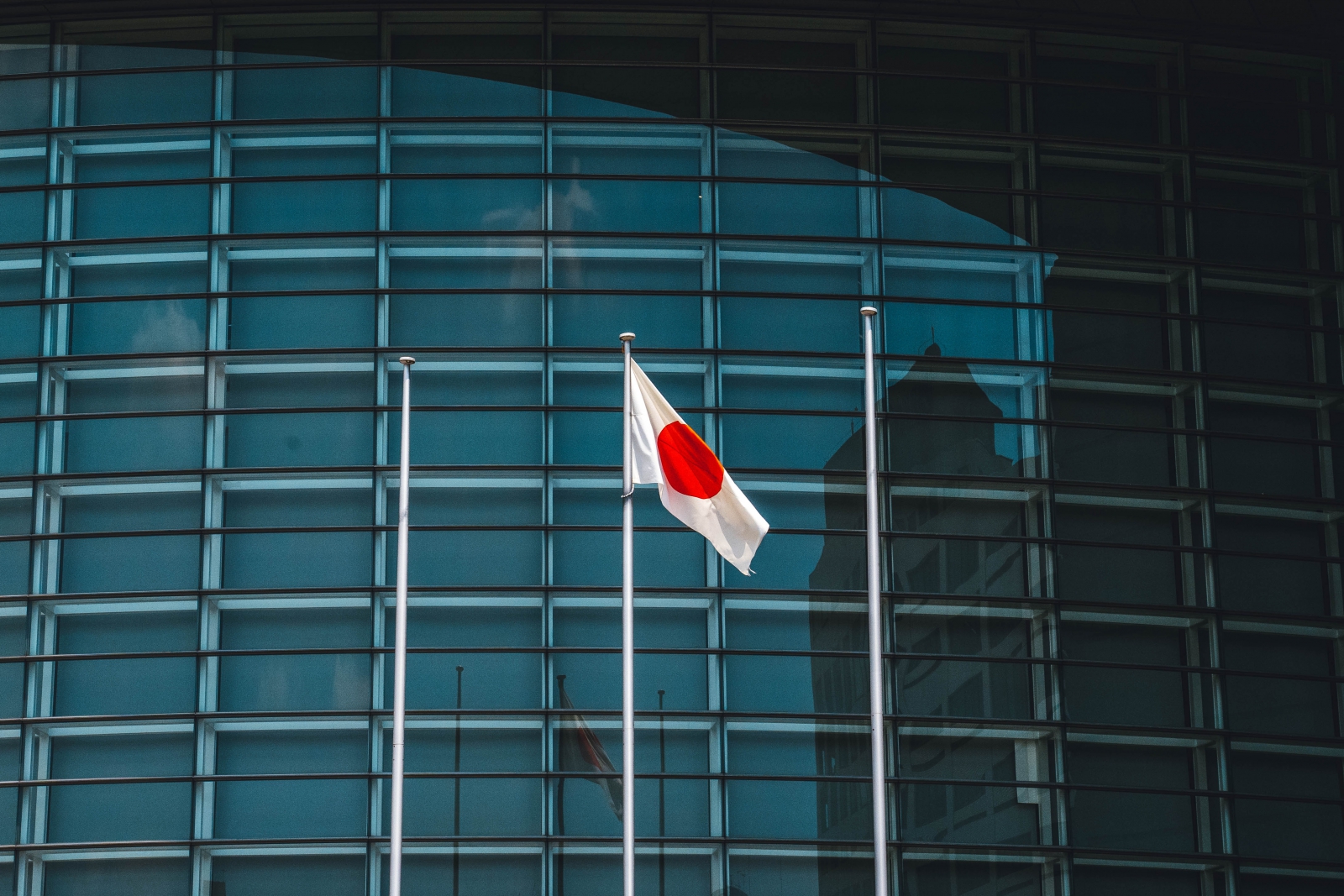
(iStock)
Japan passed a law on May 17 to establish a permit system for business operators, facilitating the implementation of Carbon Capture and Storage (CCS) technology, which captures carbon dioxide from industrial emissions and stores it deep underground.
The newly enacted legislation in Japan aims to cultivate a conducive business environment for carbon capture and contribute to the country's goal of achieving net zero emissions by 2050.
Approved and enacted after a majority vote in the House of Councilors plenary session, the law mandates the government to designate specific areas suitable for carbon dioxide storage and issue permits to selected businesses through a transparent selection process.
These permits grant businesses "prospective drilling rights" to assess geological suitability for CO2 storage and "storage rights" to store captured carbon dioxide.
Furthermore, the law holds business operators responsible for monitoring potential carbon leaks and requires them to provide compensation in case of accidents, regardless of intent or negligence.
.jpg)
(Photo: iStock)
Exporting CO2 doesn't magically make it disappear
Tokyo's CCS plans involve establishing underground sites both domestically and abroad, raising ethical concerns about emissions responsibility shifting. Initial plans include five permanent domestic sites, one in Malaysia, and another in the Pacific at an undisclosed location.