.jpg)
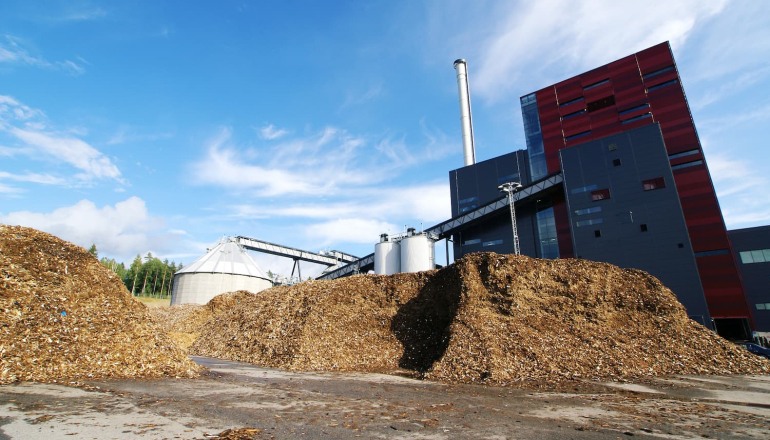
Japanese companies are tapping into emerging biomass business opportunities across ASEAN. (Photo: Idemitsu Kosan)
Japanese companies and policymakers are increasingly viewing biomass as a strategic bridge for Southeast Asia's coal-dependent grids. This shift was underscored at a Jan. 14 webinar hosted by JCOAL and the Clean Energy Future Initiative for ASEAN, where experts highlighted biomass as a key tool for cutting emissions without dismantling existing infrastructure.
Southeast Asia is expected to add around 17 GW of biomass capacity by 2030, according to Monika Merdekawati, Senior Officer at the Sustainable and Renewable Energy Department of the ASEAN Centre for Energy, positioning the region as one of the world’s fastest-growing bioenergy markets.
Industry representatives from Japan and Southeast Asia shared a common view: while solar and wind will continue to dominate new capacity additions, biomass plays a distinct supporting role. It can be deployed relatively quickly, integrated into existing coal infrastructure, and provide stable power as grids adjust to higher shares of variable renewables.