.jpg)
Carbon pricing is seen as a key driver for advancing Malaysia’s carbon capture and storage industry. (Image: iStock)
Malaysia, a major oil-producing country, has used carbon capture and storage (CCS) technology to enhance oil recovery and generate foreign exchange. As the world moves toward energy transition, CCS has emerged as a key decarbonization technology.
The Malaysian government has passed the legislation to support CCS development. RECCESSARY takes a closer look at Malaysia’s CCS ambitions, highlighting the country's advantages, emerging challenges, and what Taiwan can learn from global frontrunners.
According to consulting firm McKinsey, carbon capture, utilisation and storage (CCUS) market in Southeast Asia is projected to generate up to USD 5 billion to 10 billion in value over the decade starting in 2030. With bold ambitions, Malaysia is actively positioning itself as a regional leader. But turning that vision into reality won’t be easy. What hurdles lie ahead and how do industry experts think Malaysia should respond?
1. Policy misalignment between Peninsular Malaysia and East Malaysia
Despite the passage of the Carbon Capture, Utilisation, and Storage Bill, the legislative process has faced criticism for being rushed. As of the end of May 2025, the bill had yet to receive royal assent, delaying its implementation. Even once enacted, the law would apply only to Peninsular Malaysia, raising concerns over regulatory fragmentation between East and West Malaysia and posing challenges for future policy integration.
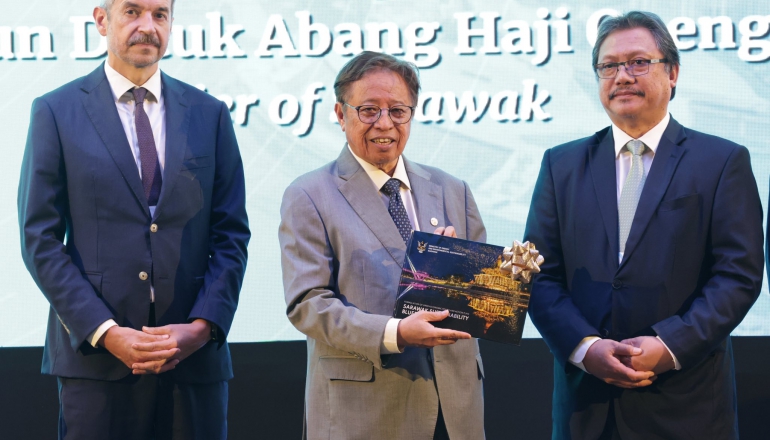
Sarawak has taken the lead in carbon storage development, with the Land Carbon Storage Rules established as early as 2022. The state government has launched a procurement process in 2024 to attract international investment for three potential storage sites, with a combined estimated capacity of 1 billion tons.