.jpg)
After a deadly landfill collapse, is the Philippines ready for waste-to-energy? (Photo: Bureau of Fire Protection Cebu City / Facebook)
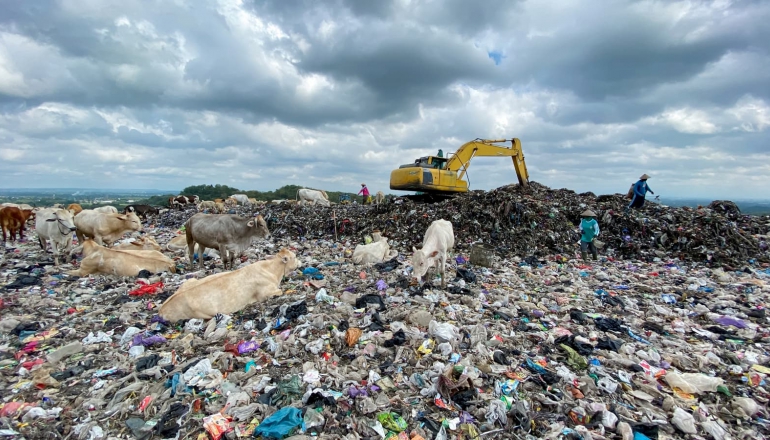
A landfill in Cebu collapsed on Jan. 8, burying 36 people under tons of waste. As rescue teams dug through the debris, the tragedy exposed weaknesses in the Philippines’ waste management system.
Despite years of policy efforts to improve waste segregation and disposal, the country remains reliant on landfills and dumpsites. The incident has renewed scrutiny of whether the current waste management approach is sustainable, and whether part of the waste stream can be diverted away from landfills and put to productive use.
One option on the policy agenda is waste-to-energy (WtE), which refers to the recovery of energy from waste materials in the form of heat, electricity, or fuel. Positioned by the government as a way to reduce landfill dependence while supplying power, WtE sits at the intersection of waste management and energy planning.