Login | Join Member | Subscription | Corporate Partnership

Rapid decline of blue carbon in Southeast Asia due to human activity

EN
Add to Favorites

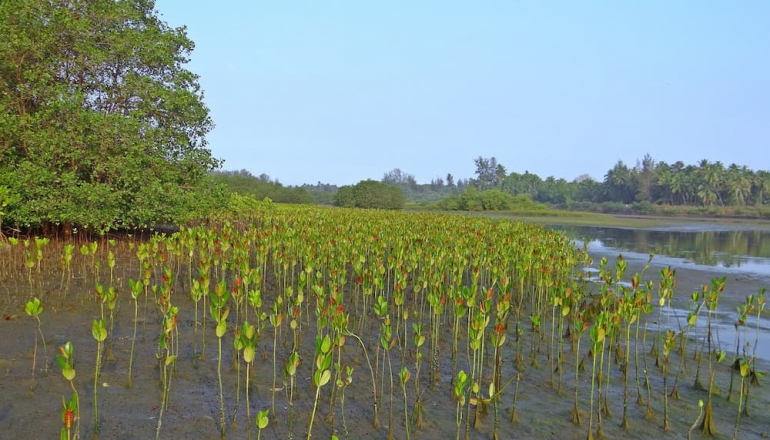
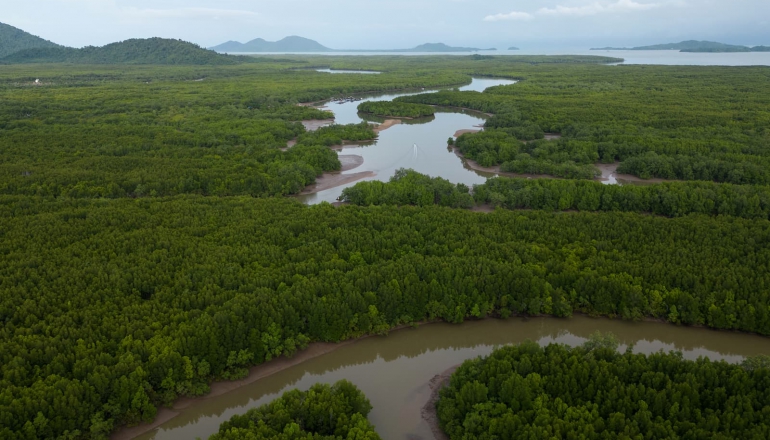
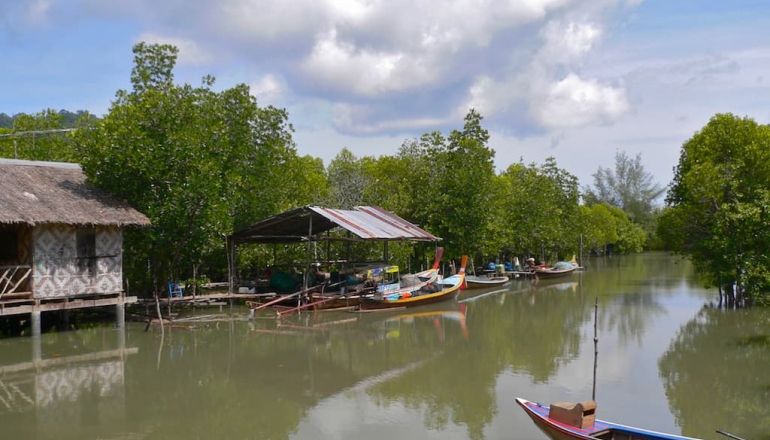
The blue carbon sources such as mangrove belts and sea grasses in Southeast Asia are facing significant losses. (Photo: iStock)

Southeast Asia’s beaches have long captivated tourists’ attention, yet few have recognized another potential of its vast coastline: the ability of its rich marine life to reach carbon neutrality.

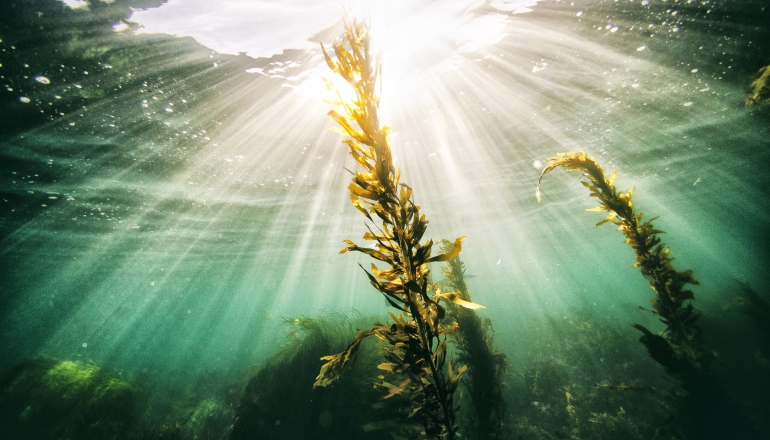
The ocean system, comprising tiny phytoplanktons to mangrove belts and sea grasses, can store up to five times more carbon than tropical forests. However, according to Siti Maryam Yaakub, senior director at International Blue Carbon Institute, its huge natural potential is being rapidly depleted.

Urgent actions needed to preserve blue carbon

Blue carbon, known by scientists as carbon stored in ocean systems, is abundant in Southeast Asia, which boasts one of the largest such sources. But the region is also experiencing significant losses of this potential due to human activities such as aquaculture.
Don't fall behind the market
Carbon prices, CBAM rules and energy policy shift weekly. Subscribe to unlock this article and all of RECCESSARY's market intelligence.
MONTHLY
US$9.90 /mo
Full flexibility — cancel anytime
Subscribe monthly
BEST VALUE · SAVE US$19.80
ANNUAL
US$8.25 /mo US$9.90
US$99 billed annually · 2 months free
Start your 14-day free trial
Unlimited article access Green power & carbon price data Members-only newsletter Report downloads
New readers enjoy a 14-day free trial · Already a member?
Grab accused of greenwashing over its “carbon neutral” fee
Gentari partners with Solarvest for solar installation at over 300 Petronas stations
Back

More Related News

TOP
Download request

Please fill out the form to download samples.

Name
Company
Job title
Company email
By using this site, you agree with our use of cookies.