(Photo: Wikimedia Commons)
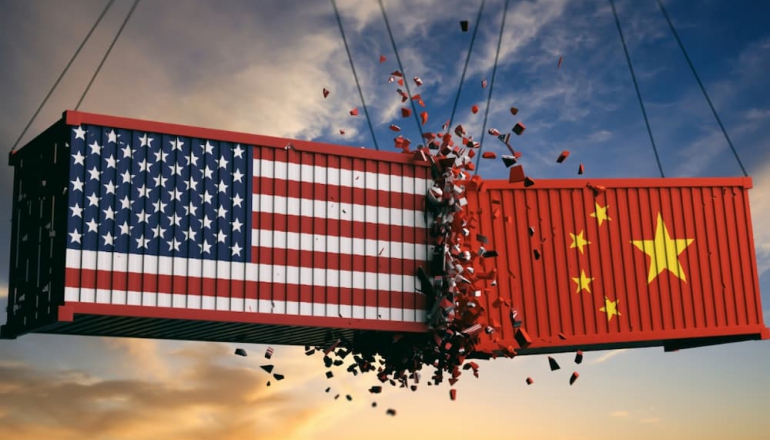
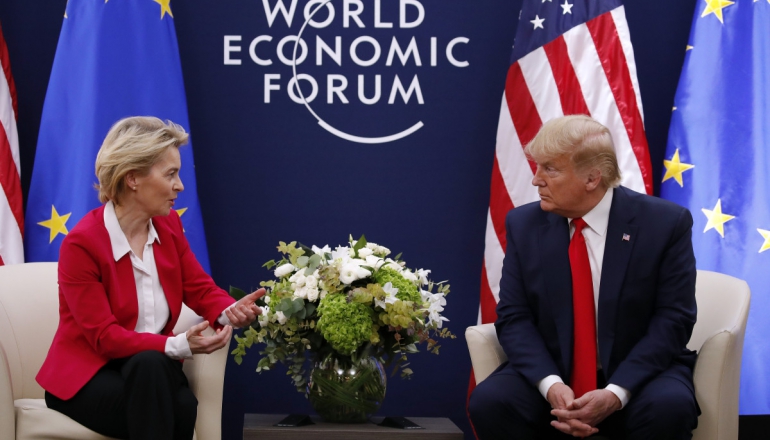
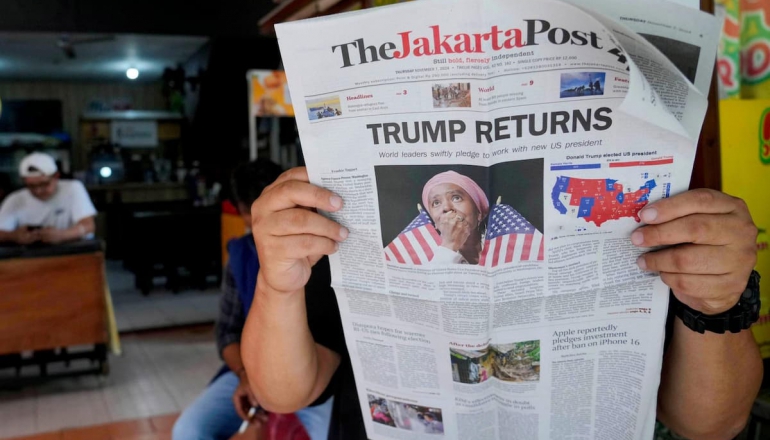
Ahead of Donald Trump’s second term as US president, a rerun of his first trade war with China is firmly on the cards – and minerals key to the energy transition may end up in the crossfire.
The president-elect has threatened to raise tariffs on goods from China, as well as on other countries through which Chinese goods flow to the US.
While his overall stance towards China remains unclear, Trump has also pinpointed eliminating “dependence on China in all critical areas” as a priority.
Meanwhile, China has been developing a “versatile” policy toolkit to cope with rising trade tensions – including with the EU and Japan, as well as the US.
One notable recent example is China’s use of export controls, which it has placed on four minerals: germanium, gallium, graphite and antimony.
All of these minerals play important roles in low-carbon technologies, but also have other applications, including military uses.
Analysis by Carbon Brief and others shows that China’s initial export controls, introduced in summer 2023, did not have a sustained impact on critical-mineral supply chains.
However, an announcement in early December 2024 of stricter controls, specifically on exports to the US, has sparked debate over how impactful these might be.
In this article, Carbon Brief examines what US-China tensions over critical minerals could mean for the stability of their supply chains and for the transition to cleaner energy.
Which minerals are important to the clean-energy transition?
Minerals are crucial to the development of several low-carbon technologies.
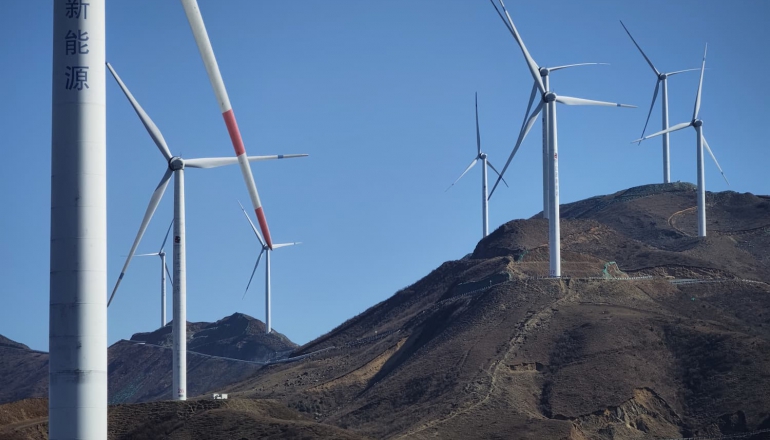
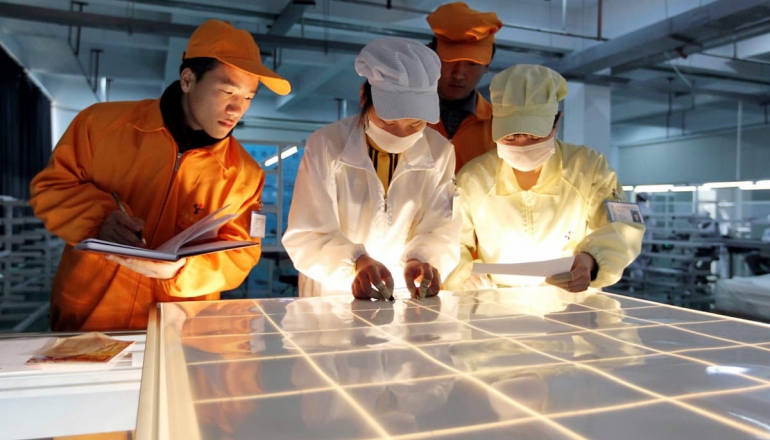
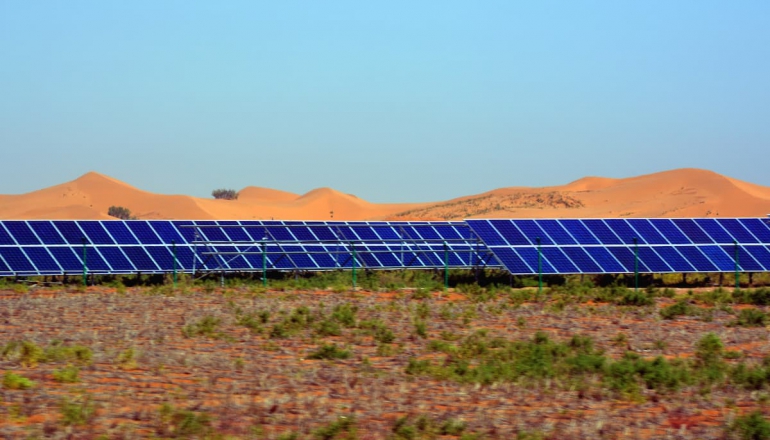
Indium and gallium are used in the coatings for solar panels, copper and “rare earth” metals are used in the conductors and permanent magnets in wind turbines, and a plethora of minerals from lithium to manganese are used in various types of batteries.
China holds a significant presence in the supply chains for many minerals – particularly in terms of processing. As seen in the table below, more than half of global extraction of graphite, rare-earth elements (REEs) and vanadium, as well as the majority of processing of aluminium, cobalt, graphite, indium, lithium, REEs and silicon, occurs in China, according to a study by the Grantham Research Institute on Climate Change and the Environment.
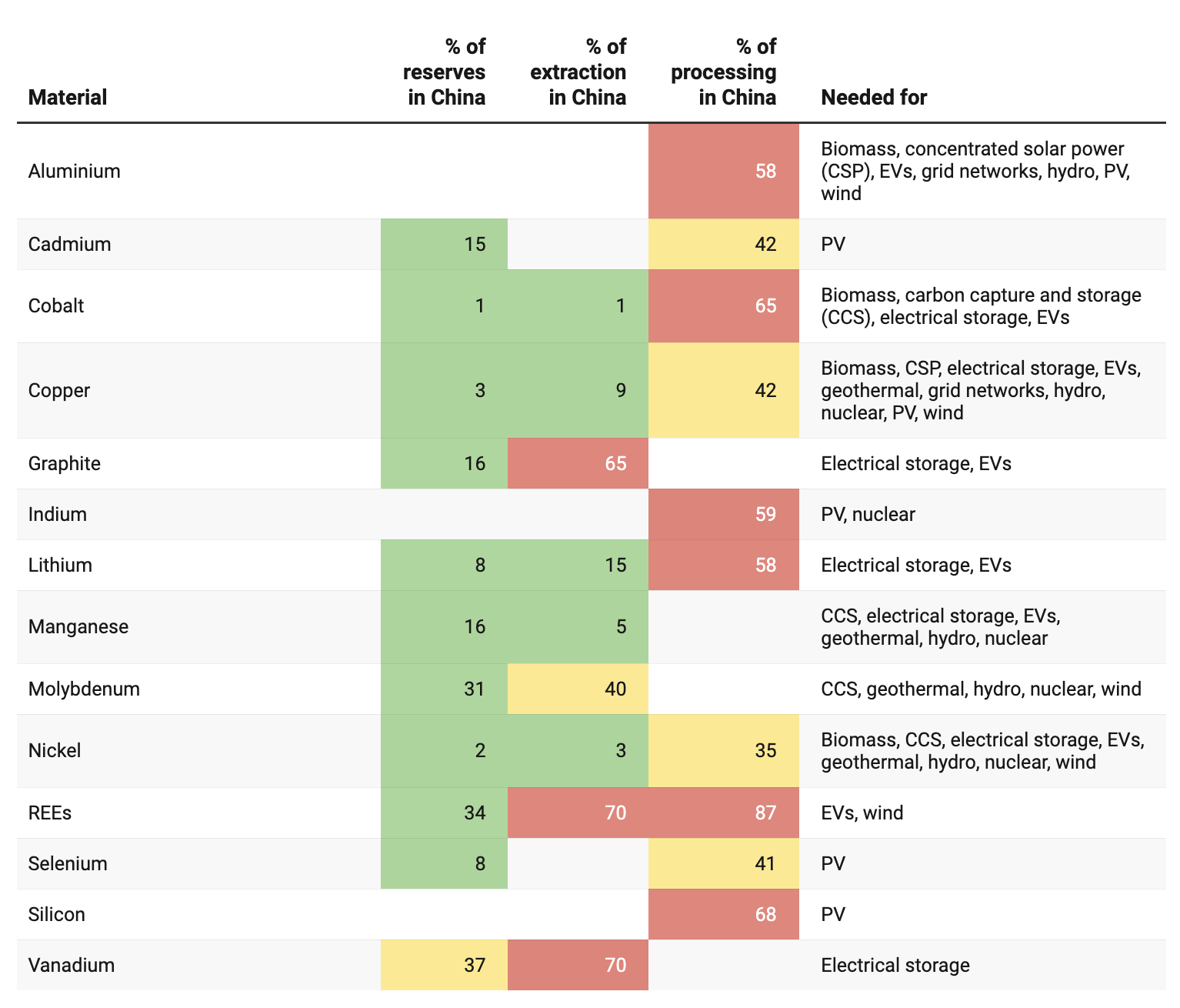
A list of several minerals important for low-carbon technologies, plus the share that China holds in its reserves, extraction and processing industries. Source: Grantham Research Institute on Climate Change and the Environment.
However, not all of these materials are considered “critical minerals”, which is a political term used to describe those that play a role in strategically important sectors, with each country setting their own parameters for strategic importance.
The US lists 50 minerals as critical, while the EU has identified 34 critical minerals and an additional 16 “strategic raw materials”, while Japan has 35 minerals on its list.