Turning carbon-cutting pressures into growth opportunities is critical for Chinese businesses, write two researchers
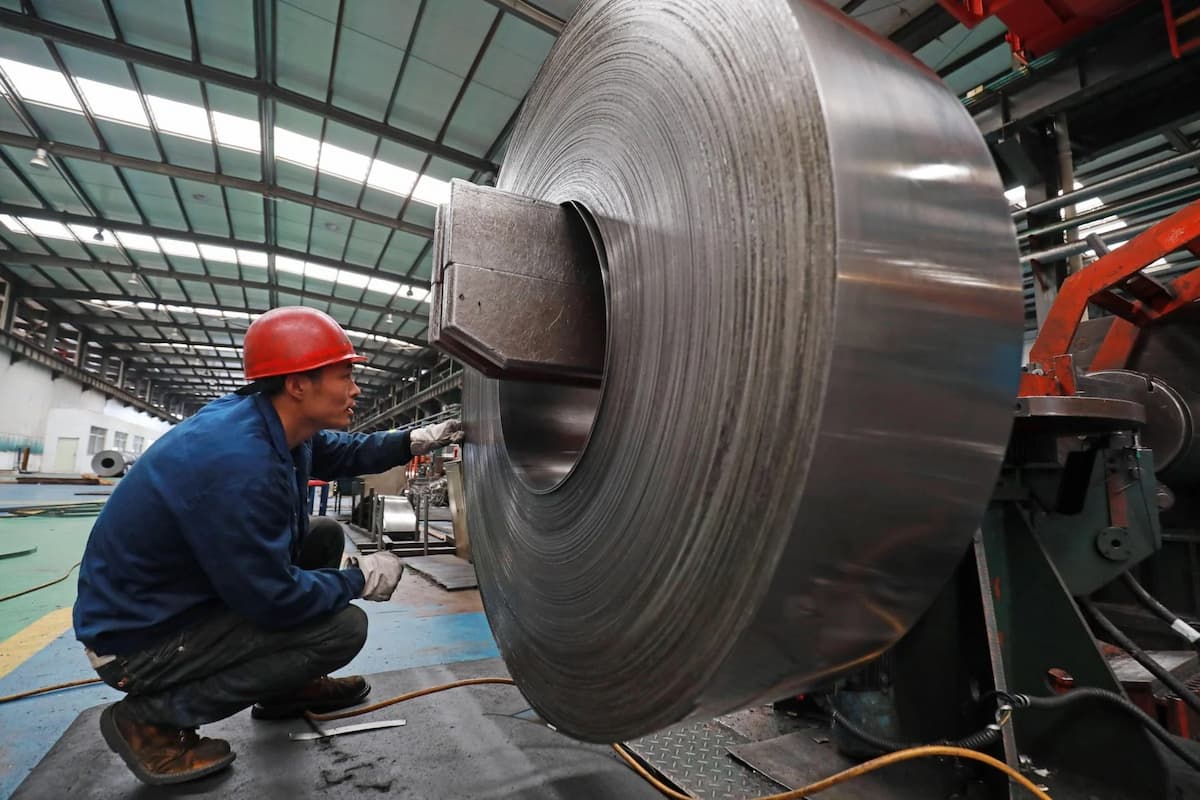
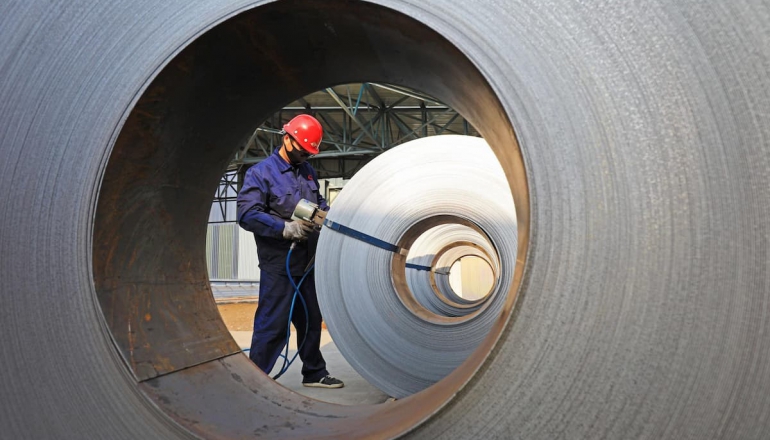
Steel production in Luannan, north-east China. The industry has been one of China’s first to face substantial pressure to decarbonise (Image: YongXin Zhang / Alamy)
As the COP29 climate conference wrapped up in late November, it became clear that its legacy would be uncertainty regarding global cooperation on climate action. Attendees did predominantly agree on one thing, however. Companies should publish their climate targets and contribute to the energy transition.
According to the UN’s 2024 Emission Gap Report, as of June last year 107 countries covering approximately 82% of global greenhouse gas emissions had adopted net-zero pledges. Meanwhile, more than 9,000 companies have committed to actions to cut global emissions by 2030.
China’s carbon emissions have not yet peaked, but its rapid expansion of renewables means they are likely to soon. As the world’s biggest emitter, a plateau in China’s emissions would be of huge significance. But with economic growth slowing and coal consumption still on the up, there have been signs that improvements in energy intensity are slowing. National carbon intensity goals are also heading somewhat off-track.
Moreover, our recent report, produced with colleagues at the China Europe International Business School’s Lujiazui International Institute of Finance, reveals slow progress among Chinese firms, both on making climate pledges and taking climate action.
But in every crisis, there is opportunity. China is preparing to introduce a cap on total carbon emissions, while adjustments are being made to international trading rules. Both could accelerate progress.