.jpg)
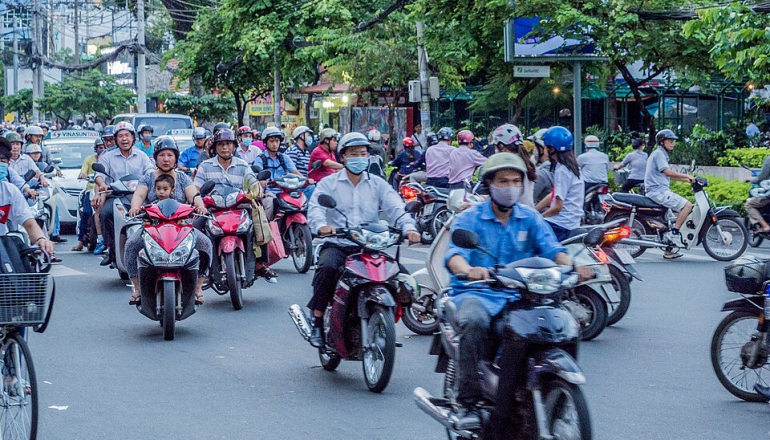
The widespread use of fuel-powered motorbikes in Vietnam is considered a major contributor to worsening air pollution. (Photo: iStock)
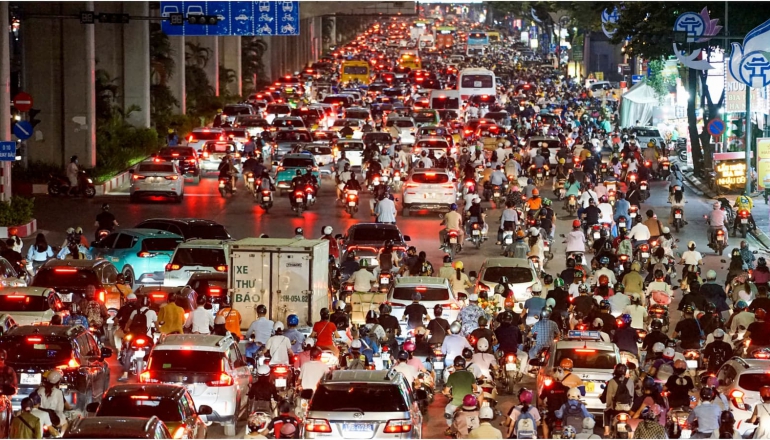
Vietnam has long struggled with severe air pollution, with its capital Hanoi frequently topping global rankings for the worst air quality. In response, both central and local governments are stepping up efforts to restore cleaner air, with a shift toward green transportation seen as one key solution that could curb pollution while also cutting carbon emissions.
Vietnam is a major market for fuel-powered motorbikes, with more than 77 million registered across the country. To align with environmental goals, Hanoi plans to ban non-compliant fuel-powered motorbikes from entering urban areas starting in July, with the restrictions set to expand gradually. While the ban is expected to boost the electric vehicle market, experts warn that supporting measures must keep pace.
Vietnam’s clean air push highlights four promising sectors for investment
The Vietnamese government approved the National Action Plan on Pollution Remediation and Air Quality Management in November 2025, aiming to reduce pollution in Hanoi, Ho Chi Minh City, and surrounding provinces to improve public health. The plan sets a long-term goal of raising air quality in major cities nationwide to a “Good” level by 2045.
Efforts to improve air quality are focused on three major areas: industrial and vehicle emissions, urban transport and infrastructure, and open burning.