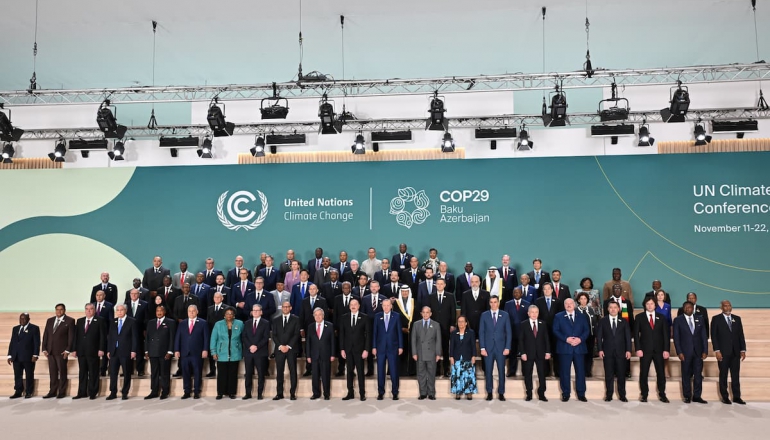
(Photo: COP29 Azerbaijan)
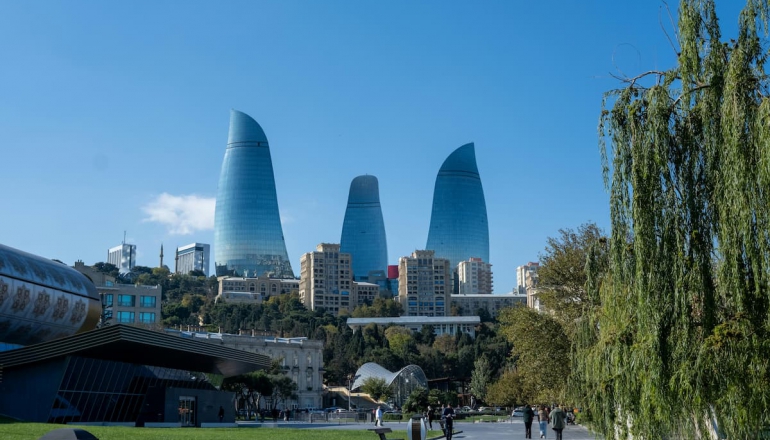
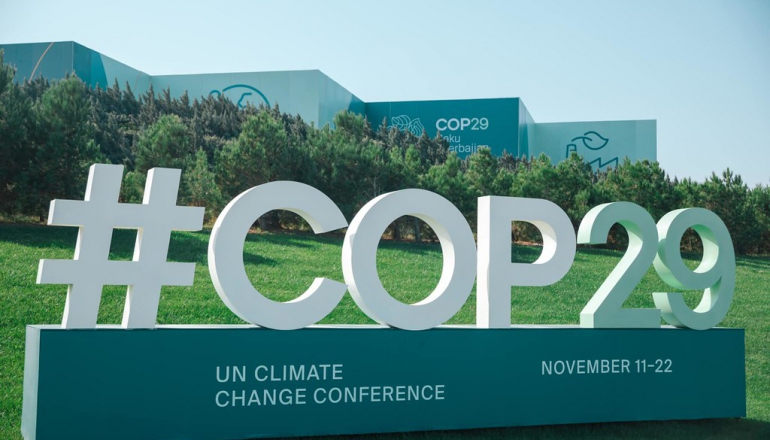
Nations are gathering in Baku, Azerbaijan, for the latest round of UN climate talks, where they will be tasked with setting a target for channelling climate finance into developing countries.
Intense discussions around this contentious topic are set to dominate at COP29.
Nations are divided over who should provide money, how much there should be and what form that support should take.
But this is just one part of the negotiations.
As ever, diplomats and ministers will have a packed agenda that will see them discuss the finer points of climate adaptation, carbon markets and scaling up emissions reductions, among many other issues.
There will also be debate over how best to carry forward the outcomes of last year’s COP28, including a global agreement to “transition away from fossil fuels”.
This will come as nations face a deadline to launch new climate plans under the Paris Agreement.
Carbon Brief has conducted its annual assessment of priority issues for various parties, compiled into the interactive table below. This is based on submissions to the UN, public statements and wider research conducted by Carbon Brief.
The first column shows the countries and UN negotiating blocs, the second column shows the topics up for debate and the third column indicates specific issues within those topics.
The final column indicates the position that each grouping is likely to take on each particular issue at the summit. This ranges from “high priority” – meaning the grouping is likely to be strongly pushing the issue – to “red line”, which means the grouping is likely to oppose this issue and show no room for compromise.
Explanations of the overarching issues and jargon-filled language that permeates the talks can be found below the interactive table.
Finance
The biggest issue at COP29 will be the “new collective quantified goal” (NCQG) for climate finance. Nations have been deadlocked for months in discussions over the details of this target, which must be agreed this year.