.jpeg)
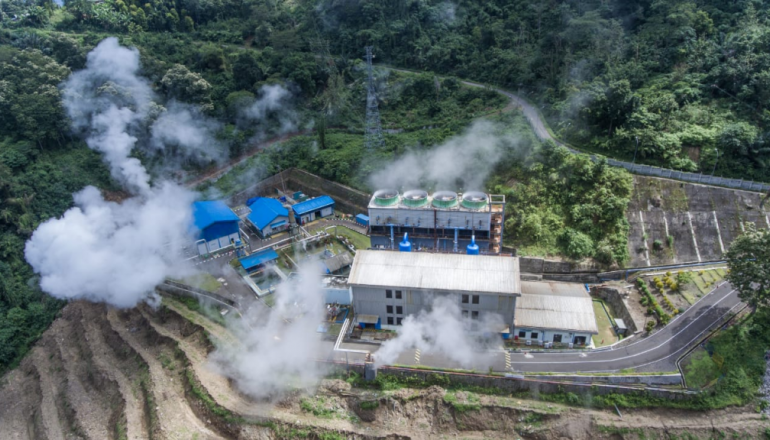
Geothermal energy provides stable, low-carbon power and is drawing greater attention as global energy systems transition. (Photo: INPEX)
The geothermal energy sector is gaining fresh momentum in Asia, as Google recently signed its first geothermal power purchase agreement (PPA) in the region—with Taiwan—marking a major milestone for the region’s clean energy transition. Meanwhile, the Trump administration, long skeptical of renewable energy, has surprised the market by backing geothermal projects, including an executive order to fast-track project permitting.
Despite historically high development costs, recent advances in technology and growing public-private collaboration are bending the cost curve. This article analyzes the shifting economics and technological innovations that are redefining geothermal’s role in the global energy mix.
Geothermal gains ground as Google and Trump fuel expansion
In mid-April, Google announced it had signed its first geothermal PPA in the Asia-Pacific with Baseload Power Taiwan. The deal aims to add 10 MW of low-carbon electricity to Taiwan’s grid by 2029, supporting the company’s local data centers and operations. If successful, it could double Taiwan’s currently operational geothermal capacity.