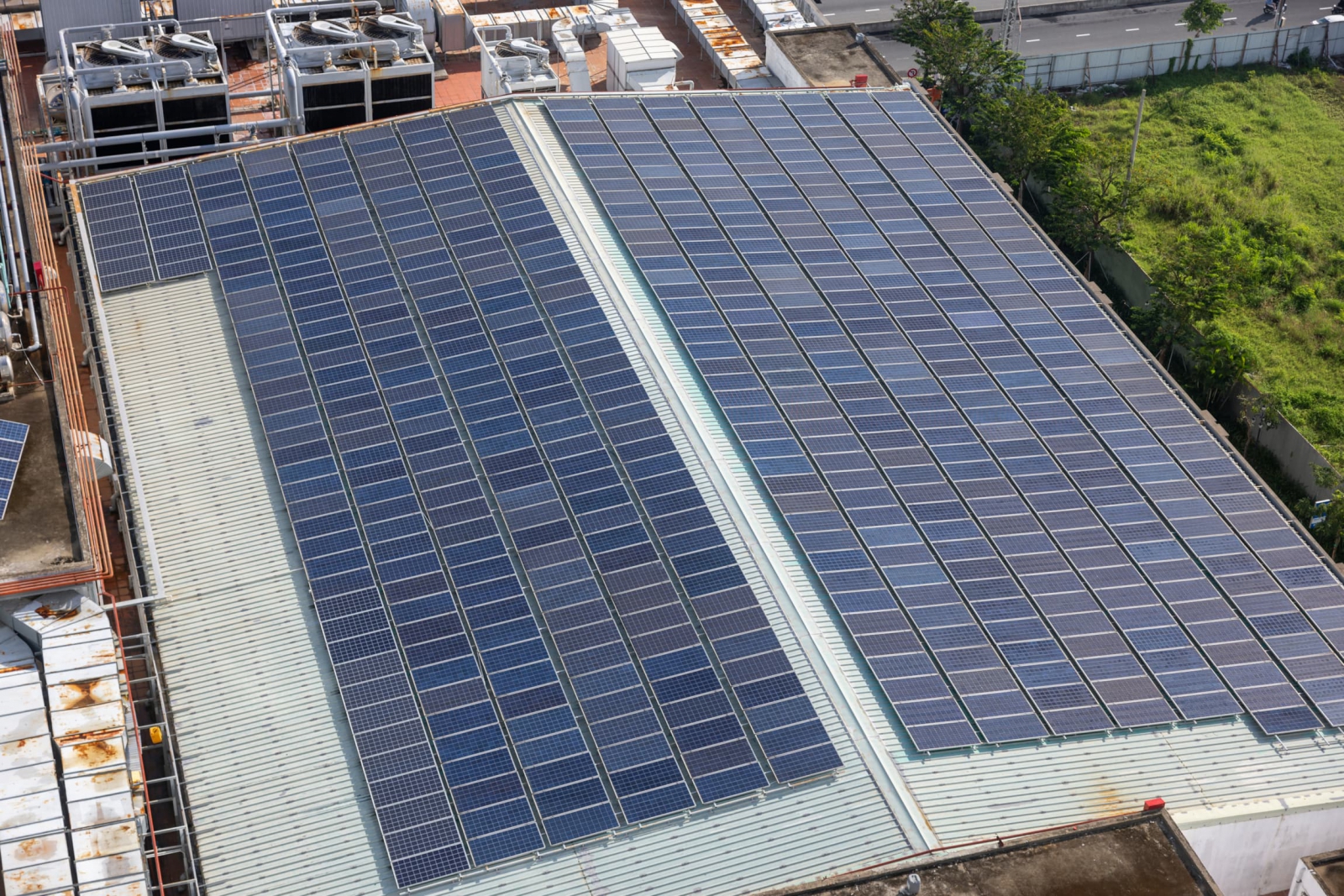
After Vietnam revised its time-of-use electricity pricing schedule, the economics of rooftop solar paired with battery storage have started to shift. (Photo: iStock)
Manufacturers operating in Vietnam are likely aware that the Ministry of Industry and Trade (MOIT) issued Decision No. 963/QĐ-BCT on April 22, 2026, redefining peak, off-peak, and normal electricity pricing periods across the national power system. The regulation took effect immediately upon signing. There was no transition period, no phased rollout, and little room for businesses to prepare. Companies simply woke up to find that peak hours had been reshuffled overnight.
Vietnam’s energy policymaking sometimes moves at two very different speeds. The direct power purchase agreement (DPPA) mechanism took nearly eight years to materialize, yet the revision to peak-hour pricing was implemented almost instantly, leaving many businesses with little time to adjust.
The policy shift is particularly noteworthy because just last year, Vietnam’s MOIT and Germany’s development agency GIZ jointly released a report highlighting the strong potential of rooftop solar system (RTS) combined with BESS. The report identified steel, food processing, hospitality, and machinery manufacturing as especially suitable sectors due to their distinct electricity consumption patterns.
Overall, the report highlighted several key findings:
- Standalone BESS projects offer limited financial attractiveness, but pairing storage with RTS significantly improves economic viability.
- RTS plus BESS systems were estimated to achieve payback periods of around six to nine years.
- Steel and machinery manufacturing facilities, which consume large amounts of electricity during overnight and early morning periods, were expected to benefit more significantly from RTS plus BESS deployment.
- In the food processing sector, electricity demand aligns more closely with daytime solar generation, allowing BESS to focus primarily on evening load management.
- Hotels were viewed as the most financially attractive segment because commercial electricity tariffs feature wider peak pricing spreads. According to the GIZ report, RTS-plus-BESS projects in the hospitality sector could achieve IRRs of up to 24.7%, with payback periods of under five years, creating strong financial incentives for adoption.
However, Decision No. 963/QĐ-BCT also reshaped Vietnam’s peak pricing structure. The old system split peak hours between daytime and evening periods, while the new framework concentrates them entirely at night. As a result, the tariff assumptions used in the GIZ report to evaluate RTS-plus-BESS projects no longer hold.
This is more than a minor adjustment to a financial model. Rooftop solar, which previously benefited from daytime peak pricing, now mainly offsets electricity consumed during normal tariff periods. BESS, meanwhile, have fewer opportunities to capture price spreads throughout the day.
Against this backdrop, this article reassesses the economics of RTS-plus-BESS projects under the new pricing regime. Using the same core assumptions as the GIZ report, namely an industrial user operating a 1 MW RTS paired with a 1 MW/3 MWh BESS, the analysis compares how the revised tariff structure could affect project returns.
How has Vietnam’s new time-of-use pricing system changed?
Before diving into the analysis, it is worth looking at what Decision No. 963/QĐ-BCT changed.
Unlock the full article to explore three key takeaways:
- Under Vietnam’s new time-of-use tariff structure, electricity generated by rooftop solar during the day can no longer directly offset peak power costs at night. The value of solar is shifting from “peak-price avoidance” to daytime self-consumption.
- Even under an optimistic scenario, the internal rate of return (IRR) for rooftop solar-plus-storage projects could decline by more than six percentage points under the new scheme, suggesting a significant squeeze on arbitrage opportunities. Payback periods may also extend from the previously six to nine years to as long as eight to 15 years.
- Standalone battery energy storage systems (BESS) may generate negative IRRs under the revised pricing structure, meaning storage projects will likely need to be paired with rooftop solar or broader load management strategies to remain financially viable.