.jpg)
Geopolitics, energy risks, and ETS reforms have all emerged as key forces shaping the direction of EU carbon prices. (Image: iStock)
Since the start of 2026, EUA prices have experienced a sharp decline. Geopolitical tensions, energy price volatility, policy uncertainty, and the ongoing reform of the EU ETS have continued to shape market expectations and investor sentiment.
This article examines the major developments in the EU ETS market in 2026 from both policy and energy perspectives, highlighting how current dynamics differ from previous years and where the market may be heading next. It also uses allowance supply-demand dynamics and carbon pricing models to explore potential price trajectories under different scenarios, helping companies exporting to the EU and investors better navigate future market decisions.
Policy: ETS reform debates drive EUA price movements in 2026
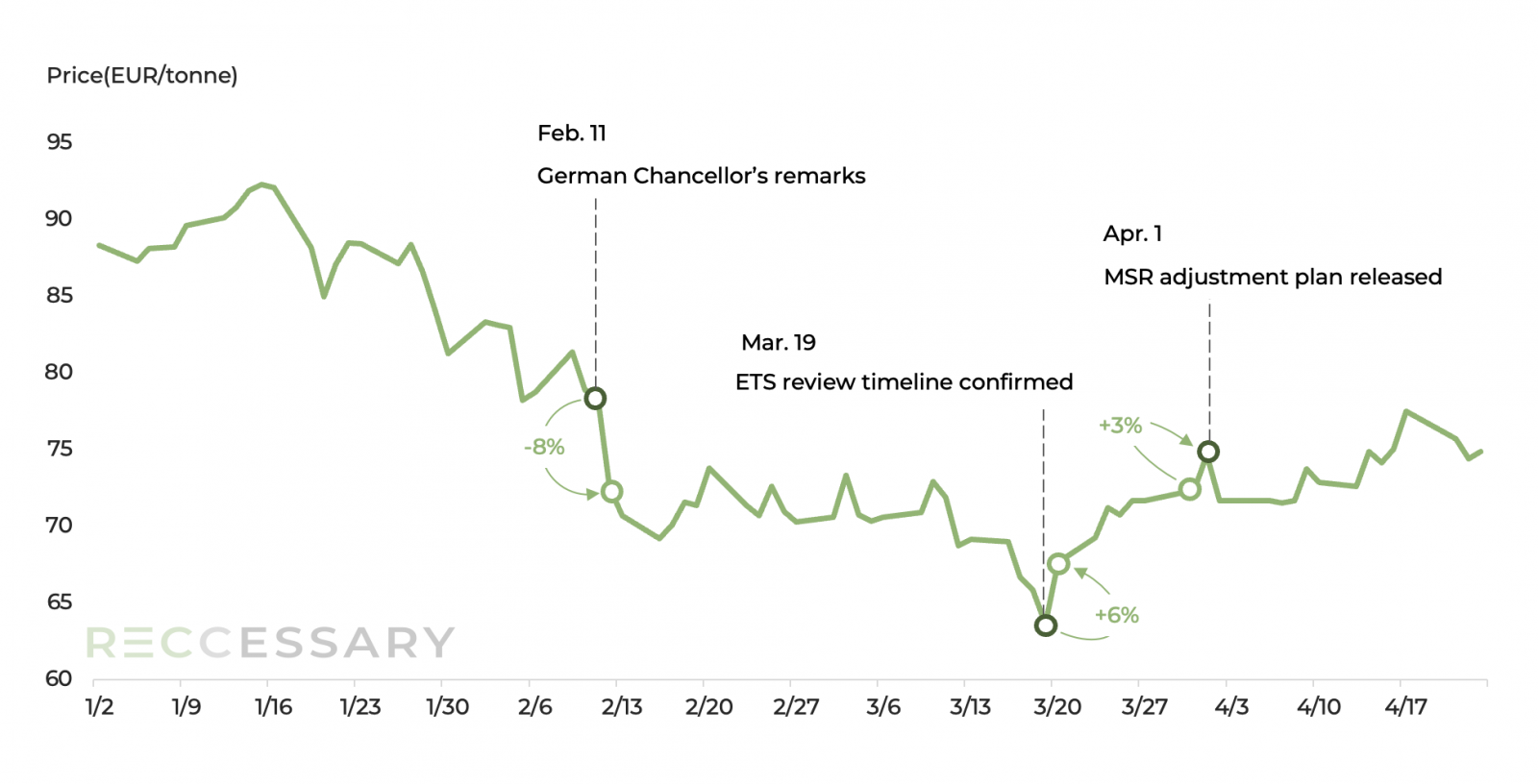
Figure 1. EUA price movements and key market events in 2026
Looking at EUA price movements in 2026, three major policy signals have played a decisive role in shaping market direction.
1. Germany’s remarks weakened market confidence'
On February 11, German Chancellor Friedrich Merz stated that the EU ETS should be revised or delayed if it undermines industrial competitiveness. The comments reinforced market expectations that the ETS could eventually be softened, sending EUA prices down to EUR 72.54 the following trading day.
2. ETS review timeline provides short-term clarity
On March 19, the European Council requested that Brussels submit an ETS review report by July 2026 at the latest. Because the announcement did not include any immediate signal of regulatory easing, market uncertainty temporarily eased, helping carbon prices rebound the following day.
3. MSR adjustment plan strengthened long-term confidence
On April 1, the release of the Market Stability Reserve (MSR) adjustment plan signaled that policymakers remained focused on managing allowance supply rather than expanding free allocation. The announcement reinforced market confidence in long-term carbon price support and pushed EUA prices higher during intraday trading.
Unlock the full article to explore three key takeaways:
- EUA prices have fallen sharply since the beginning of 2026, with policy signals increasingly replacing natural gas prices as the market’s primary pricing driver. Following comments by German Chancellor Friedrich Merz in February, EUA prices dropped to EUR 72.54 in a single trading day.
- The correlation between natural gas prices and carbon prices has weakened significantly, meaning companies should no longer rely on gas prices as the main indicator for forecasting carbon costs.
- During periods of war or market disruption, carbon price models need to incorporate policy signals, geopolitical developments, and allowance supply-demand dynamics alongside traditional energy indicators.