.jpg)
The Taiwan-Philippines Economic Corridor is expected to unlock significant business opportunities for Taiwan’s green energy sector. (Image: iStock)
Amid shifting global economic and geopolitical dynamics, the emerging Taiwan-Philippines Economic Corridor is opening new avenues for energy cooperation between the two sides. In particular, the Philippine’s transition to clean energy presents a valuable opportunity for Taiwanese companies to expand into overseas markets.
Clean energy roadmap under Taiwan-Philippines Economic Corridor
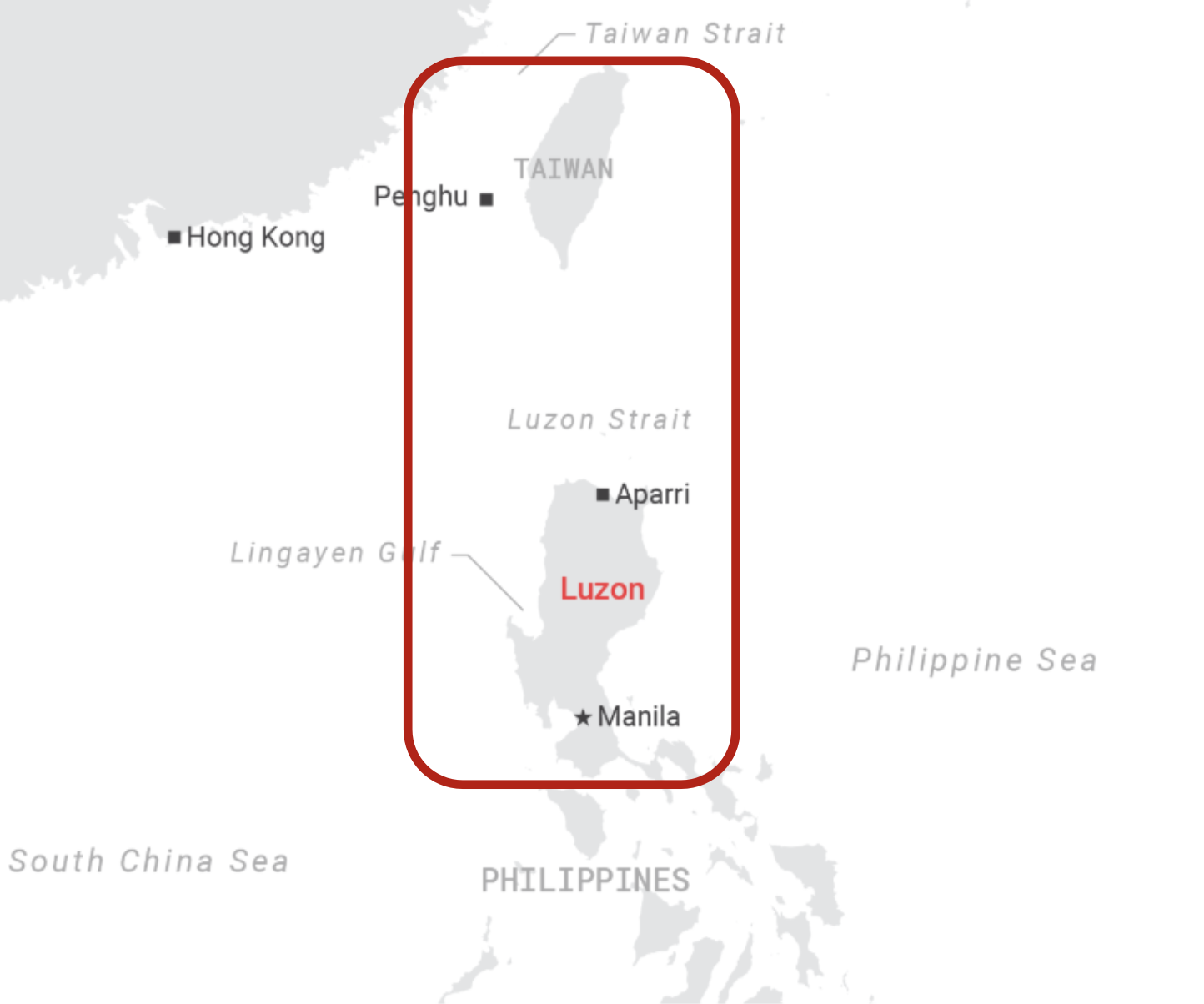
The Taiwan-Philippines Economic Corridor is a key initiative under Taiwan’s New Southbound Policy and an extension of the Southern Taiwan Silicon Valley program. It is also designed to align with the Luzon Economic Corridor (LEC), a trilateral effort by the U.S., Japan, and the Philippines. The initiative aims to strengthen Taiwan-Philippines economic ties, enhance supply chain resilience, and bolster regional economic security.
Earlier on Oct. 15, Foreign Minister Lin Chia-lung (林佳龍) emphasized that deepening cooperation through the corridor will deliver strategic benefits for Taiwan’s economy and security, while helping build a resilient, “non-red” supply chain.
The Taiwan-Philippines Economic Corridor focuses on seven key industries: semiconductors and AI, renewable energy, shipbuilding, drones, smart agriculture, digital infrastructure, and undersea cables. In the renewable energy sector, areas of collaboration include solar, wind, and geothermal power generation, as well as energy storage systems and smart grid technologies. These initiatives provide Taiwanese companies with more platforms and opportunities to participate in the Philippines’ energy transition, while helping reduce the risks associated with overseas investment.