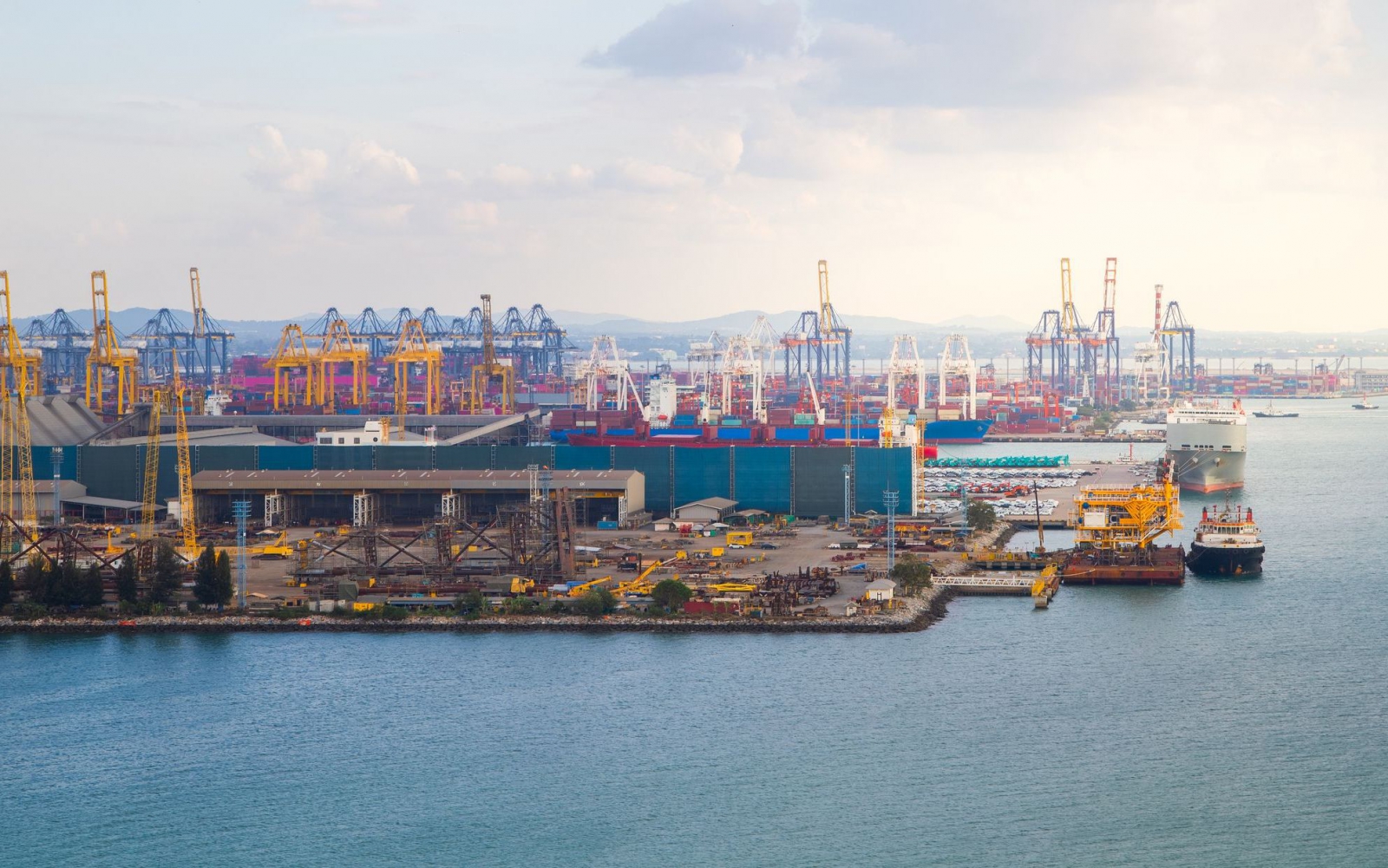
Thailand’s CBAM affected exports to the EU are concentrated in steel, aluminum, and cement. Pictured is Laem Chabang Port, the country’s main export gateway. (Photo: iStock)
After the European Commission released its draft implementing act on Carbon Border Adjustment Mechanism (CBAM) carbon price deductions on May 13, a key question long raised by importers and supply chain companies finally received a preliminary answer: can carbon taxes or carbon fees already paid in Asian countries be deducted from CBAM costs?
Using Thailand's existing carbon pricing mechanism embedded in fuel taxation as a case study, this article examines the potential scope and grey areas of the CBAM deduction mechanism. It also combines a carbon price model based on the Total Number of Allowances in Circulation (TNAC) to estimate the residual costs companies may still face after eligible deductions are applied.
As for Vietnam, another major export hub in Southeast Asia, RECCESSARY has published a separate analysis examining its potential CBAM deduction scenarios and their implications.
Can Thailand's carbon tax qualify for CBAM deductions?
The draft implementing act provides greater flexibility for recognizing carbon prices related to fuel use. It states that even if the carbon price is not paid directly by the manufacturer, declarants may still claim a deduction if the carbon price arises from fuel consumed during the production process and has already been paid in a third country.
Unlock the full article to explore three key takeaways:
- Thailand’s THB 200 per tonne carbon tax is embedded in the excise tax on petroleum products. As it is linked to fuel consumption, it may qualify for deductions under the EU’s CBAM draft.
- Thailand’s steel sector relies on electric arc furnaces and scrap steel. As CBAM currently covers only direct emissions, compliance costs remain relatively low.
- With Thailand’s carbon tax set at just THB 200 per tonne, far below the EU carbon price, the scope for cost deductions remains limited even though diesel accounts for 35.5% of emissions.