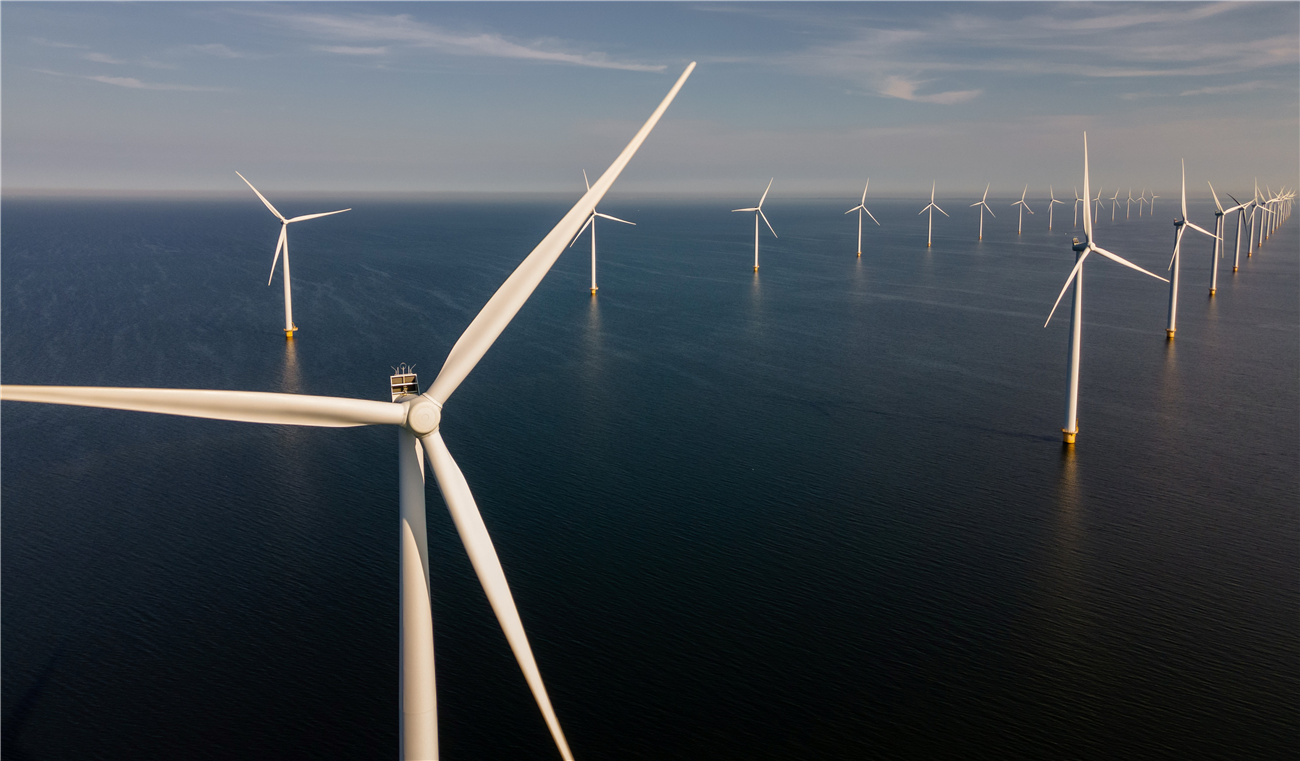
Taipower’s Phase 2 offshore wind project, located off the coast of Lukang Township in Changhua County, will comprise 31 turbines rated at 9.5 MW each, with a total installed capacity of 294.5 MW. (Photo: Taipower’s Phase 2)
Once regarded as one of Taiwan's rising offshore wind developers, Shinfox Energy was delisted on June 23 after mounting losses from the Taipower Phase 2 offshore wind project pushed its net worth into negative territory in the first quarter of 2026.
Losses tied to the project eventually exceeded USD 464 million, underscoring the financial risks inherent in large scale offshore wind developments. In interviews with former senior executives, RECCESSARY traced the company’s key financial decisions and examined what its experience reveals about the evolving challenges facing Taiwan's offshore wind industry.
Unlock the full article to explore three key takeaways:
- Shinfox Energy’s USD 1.8 billion EPC contract for Taipower’s Phase 2 offshore wind project ultimately exposed the financial risks of offshore wind developments after the company was delisted.
- High leverage, construction delays, and elevated US dollar interest rates combined to strain cash flow, highlighting liquidity management as a decisive factor in project execution.
- Industry executives say offshore wind competition is shifting from engineering capabilities to capital strength and financial resilience as the sector becomes market driven.