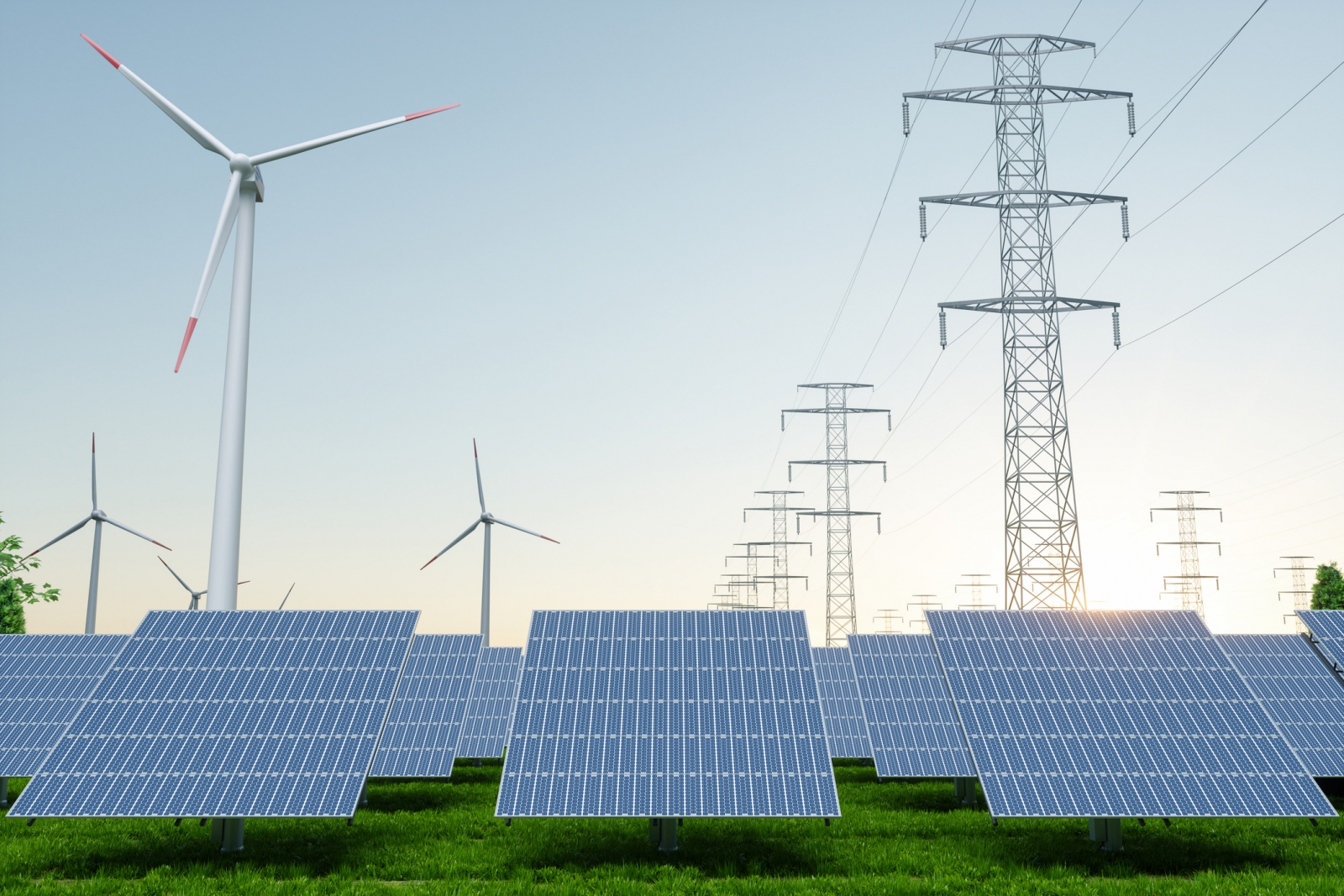
Experts predict the APG will drive more cross-border electricity trade and boost storage development. (Photo: iStock)
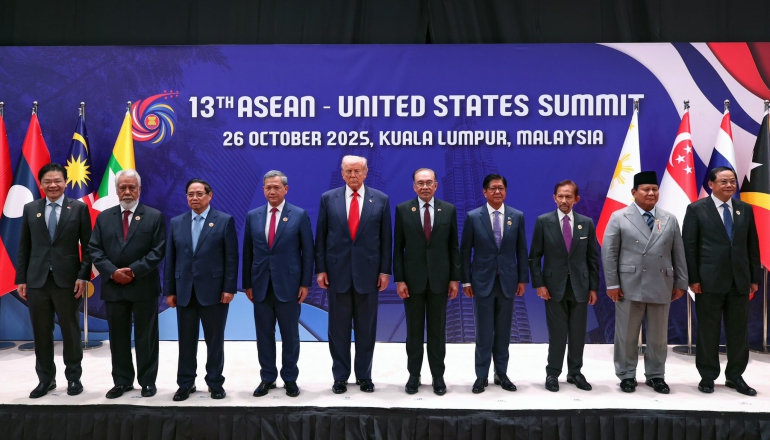
As the ASEAN Summit concluded, Malaysia formally handed over the chairmanship to the Philippines. This year’s summit marked a shift from symbolic gestures to substantive dialogue, with clearer action plans and defined goals. Notably, the vision for a unified renewable electricity market gained traction and attention.
RECCESSARY presents the special series “ASEAN’s energy leap,” offering a comprehensive look into this emerging green growth hub, from Malaysia’s leadership during its chairmanship, to new developments in the ASEAN Power Grid (APG), and the decarbonization efforts of national oil companies across the region.
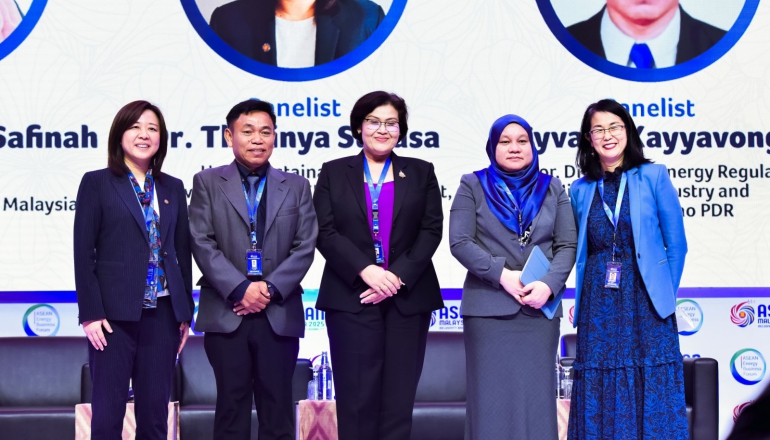
At the ASEAN Ministers on Energy Meeting, Malaysian Prime Minister Anwar Ibrahim praised the strong regional consensus on advancing energy cooperation. He noted that leadership support extended beyond energy ministers, reflecting a broader commitment among ASEAN leaders. The endorsement of the Enhanced ASEAN Power Grid MoU and the ASEAN Power Grid Financing (APGF) Initiative marks significant progress in regional integration and the clean energy transition—positioning ASEAN as a potential hub for clean energy industries and technologies.
Upgraded ASEAN Power Grid MoU to establish single coordination window
The ASEAN Power Grid (APG) was a key focus during Malaysia’s chairmanship this year. Under Prime Minister Anwar’s leadership, member states successfully adopted the Enhanced Memorandum of Understanding on the ASEAN Power Grid. While the full details of the agreement have yet to be released, it is widely expected to accelerate interconnection efforts among national grids.