.jpg)
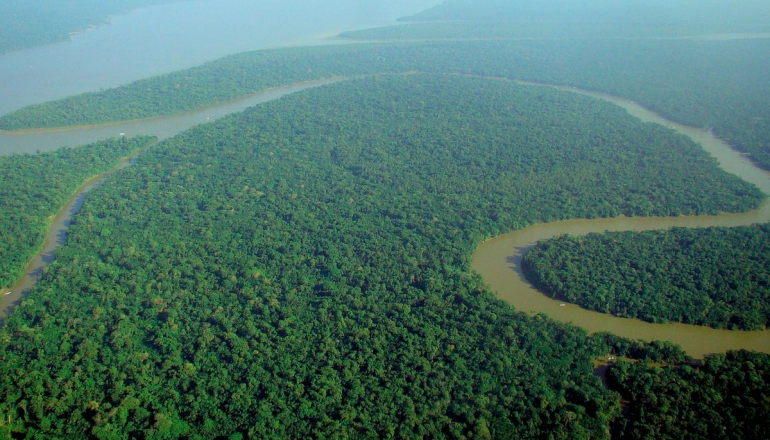
Amazon rainforest’s rich biodiversity opens opportunity for expansion of biodiversity credits. (Photo: iStock)
Belém, located on the edge of Brazil’s Amazon rainforest, will host the COP30 this November, thrusting biodiversity into the international spotlight. The World Economic Forum (WEF) launched the Biodiversity Credits Initiative in 2022, aiming to stimulate investment through market-based mechanisms. But how has this emerging market evolved since then and what risks does it entail?
Biocredit market emerges amid $700 billion annual funding shortfall
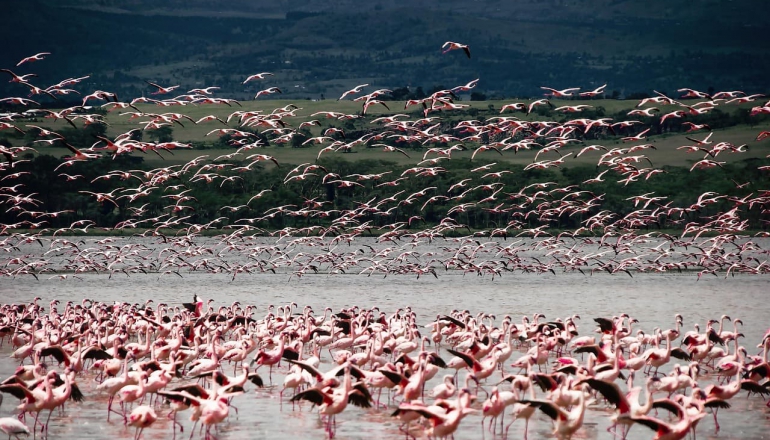
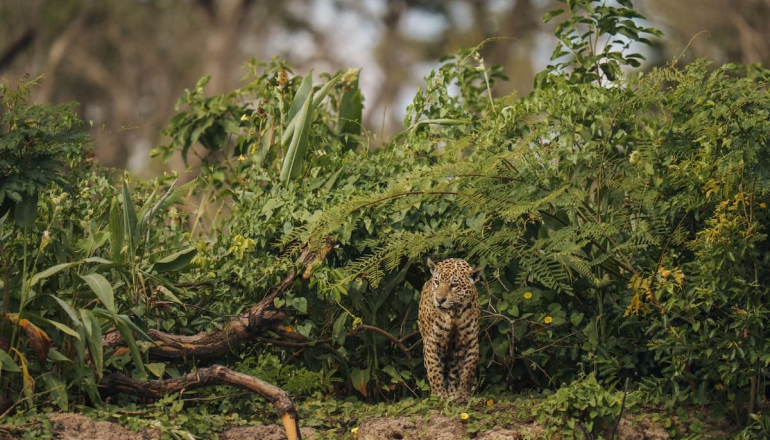
Biodiversity—the variety of life across genes, species, and ecosystems—underpins human wellbeing. It forms the foundation of human survival, providing essential resources such as food, medicine, building materials, and textiles.
According to WEF, more than half of global economic activities depend on nature. Yet wildlife populations have declined by 69% over the past 50 years, and around 1 million species are now threatened with extinction. This urgent crisis underscores the need to protect biodiversity and presents a timely opportunity for the development of biodiversity credits (or biocredits).
In essence, biocredits function similarly to carbon credits, but instead of focusing on emissions reduction, they incentivize the protection of biodiversity. By harnessing market forces, biocredits aim to strengthen ecosystems and prevent extinction. According to Nature Conservancy, the global funding gap for biodiversity conservation is estimated at USD 700 billion to USD 900 billion per year.