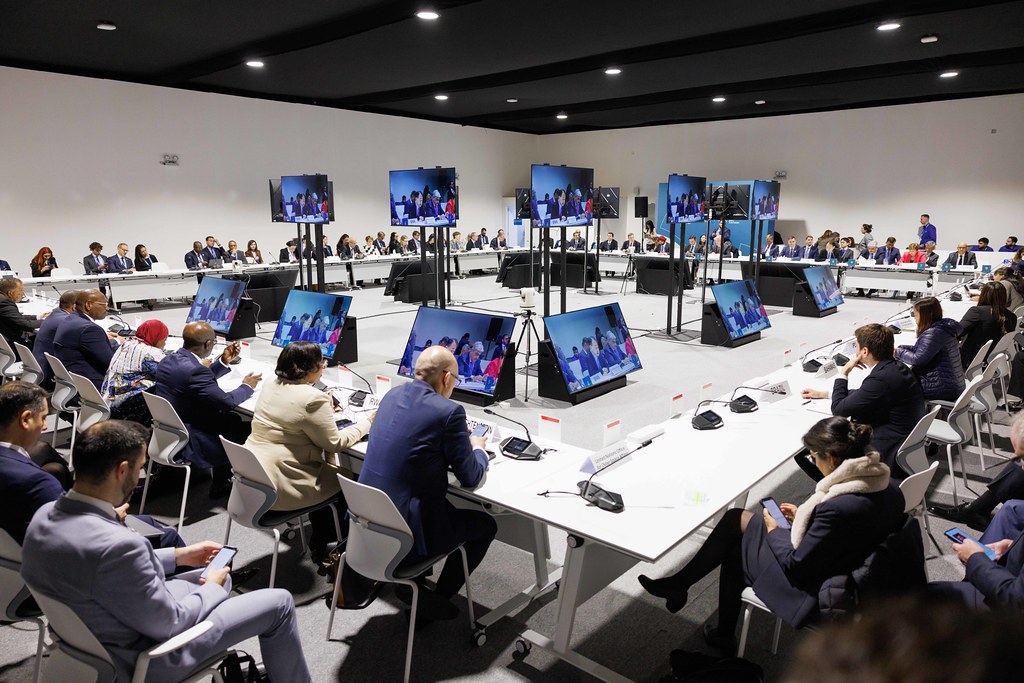
(Photo: UN Climate Change - Kamran Guliyev)
Developed nations have committed to providing billions of dollars of “climate finance” to developing countries, as part of the global effort to tackle climate change.
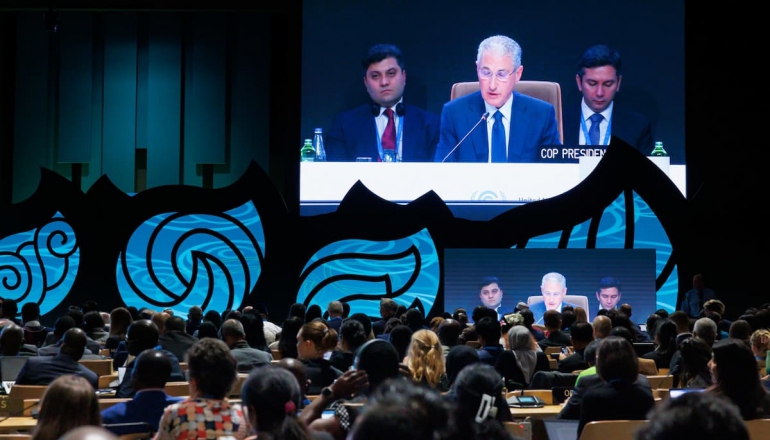
At the COP29 climate summit, nations must decide on a new global goal to replace the existing target of $100bn each year.
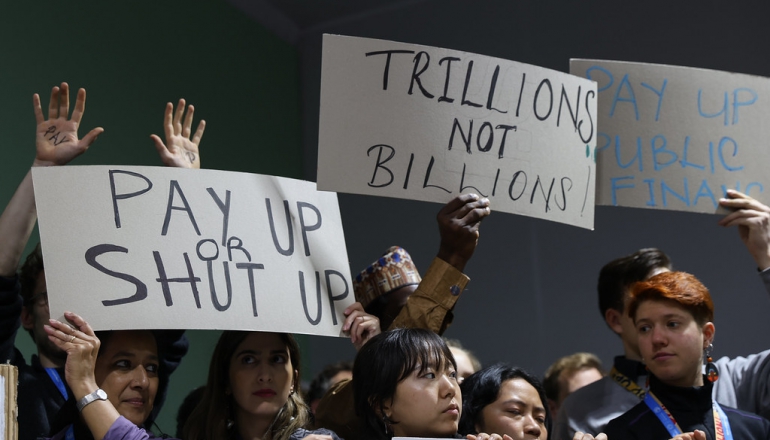
Delivering this money is widely viewed as important for helping vulnerable nations in the global south and maintaining trust between countries in UN climate talks.
Yet, for decades, climate finance has been plagued by accusations of exaggerated numbers, poor transparency and money going to “questionable” places. Much of this stems from a lack of consensus on what counts as “climate finance”.
Most climate finance comes from the aid budgets of a handful of developed states, including western Europe, the US and Japan. Governments use their own criteria to assess “climate finance”, often prompting criticism from civil society groups and developing countries.
Most climate finance goes towards legitimate causes. However, analysis of the available data reveals examples of countries reporting funds going to, say, fossil fuels and airports. Some donors report finance that may never be spent and others hand out loans that, ultimately, see them making a profit.
These activities are all allowed under the UN climate finance system.
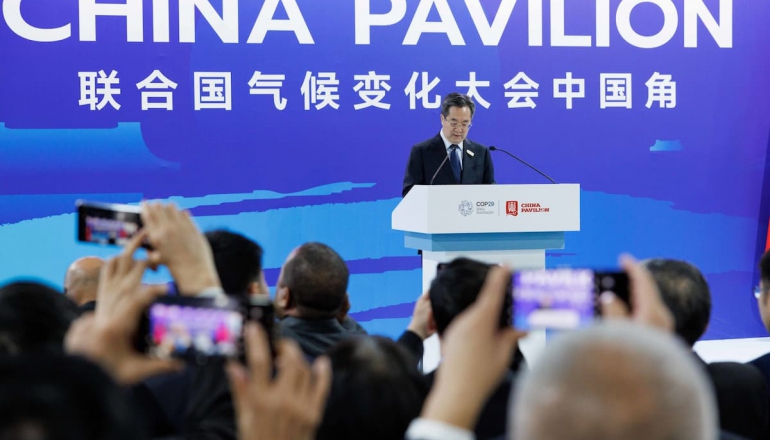
As countries gather to negotiate a new climate-finance target at COP29 in Baku, Azerbaijan, Carbon Brief – in no particular order – explores six of the issues that make climate finance such a “wild west”.
1. There is no agreed definition of what counts as ‘climate finance’
There is no universal agreement on what should, or should not, count towards the international “climate finance” provided by developed countries to developing countries.
Unofficial definitions, including those of the UN Standing Committee on Finance (SCF) and the Organisation for Economic Co-operation and Development (OECD), broadly agree that climate finance should support activities that cut emissions or help adapt to climate change.
As for the types of finance that should count, nations decided that the $100bn target would cover “a wide variety of sources”, including public money, support via multilateral development banks (MDBs) and private investment spurred by public spending.
However, the kinds of activities and finance streams falling into these broad categories are open to interpretation. In practice, governments of developed countries use their own methodologies and set their own rules when reporting climate finance.
Developed countries also pledged to provide climate finance that is “new and additional” – a term often taken to mean extra funding on top of other aid programmes. However, this framing is contested and, in practice, much of the reported climate finance comes from existing development budgets.
Prof Romain Weikmans, an international climate-finance researcher at the Free University of Brussels, tells Carbon Brief that developed countries have “diverging understandings on what should count as climate finance and on how to count it”. He adds that reporting requirements negotiated at the UN “allow countries to remain vague”.
Many expert analyses have concluded that self-reporting by governments, facing political pressure to act on climate change, contributes to an “overestimation” of total climate finance.
While it was widely reported that, based on OECD data, developed countries met the $100bn target two years late in 2022, Weikmans says the lack of a universal definition “makes it impossible to assess whether the $100bn has been met or not”.
The chart below shows how different assumptions about “climate finance” by key financial organisations lead to divergent estimates of how much has been provided.
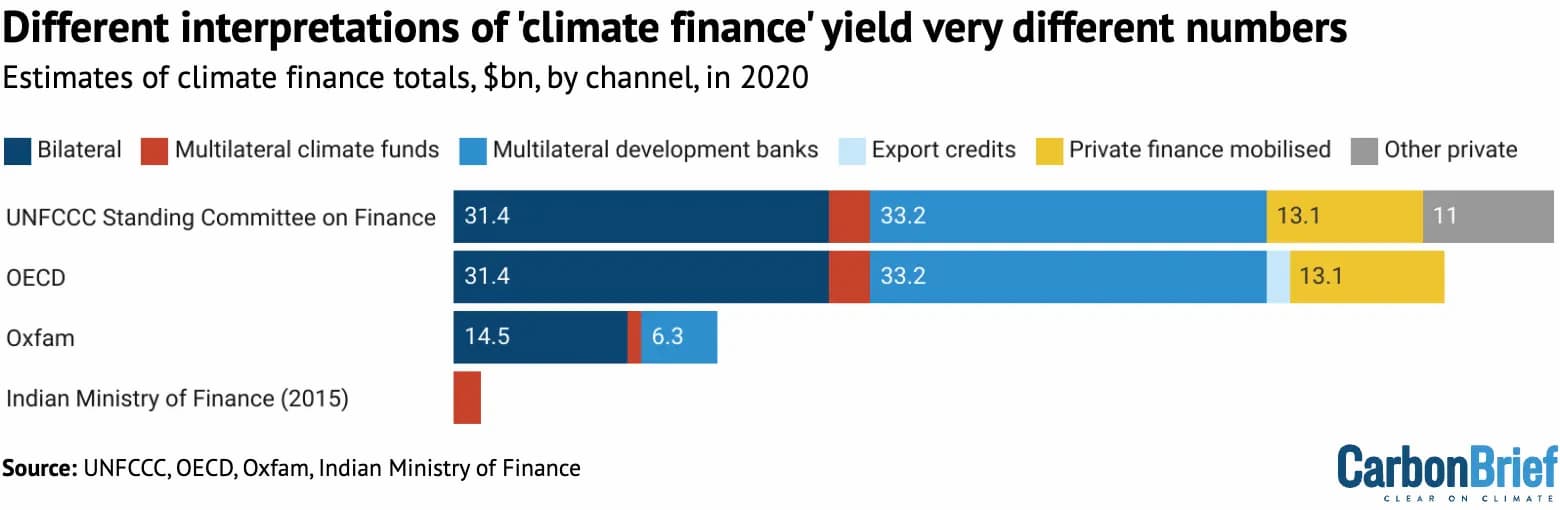
Estimates of climate finance, $bn, by channel of provision, from different organisations. Oxfam’s figures present its figures as an average of the years 2019 and 2020, and the Indian Ministry of Finance only conducted its assessment on a one-off basis in 2015. Source: Figures compiled by UNFCCC SCF, Oxfam.