%20(1).jpg)
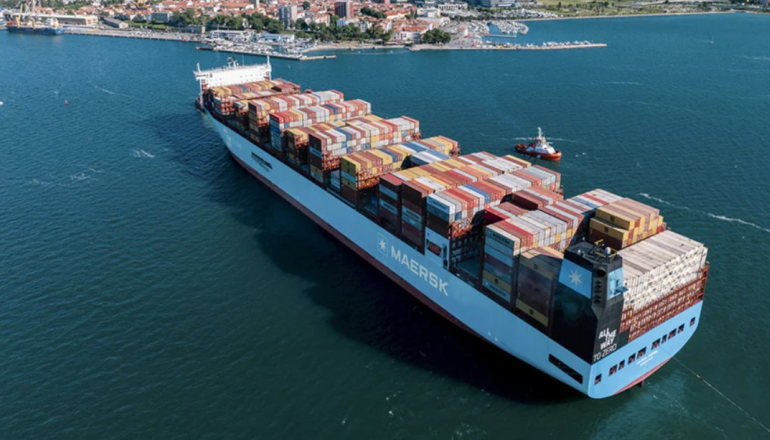
Decarbonizing shipping relies on improving energy efficiency and upgrading vessel equipment. (Photo: Maersk)
The shipping industry, especially long-haul shipping, is classified as one of the hardest sectors to decarbonize, underscoring the importance of the International Maritime Organization's (IMO) carbon fee.
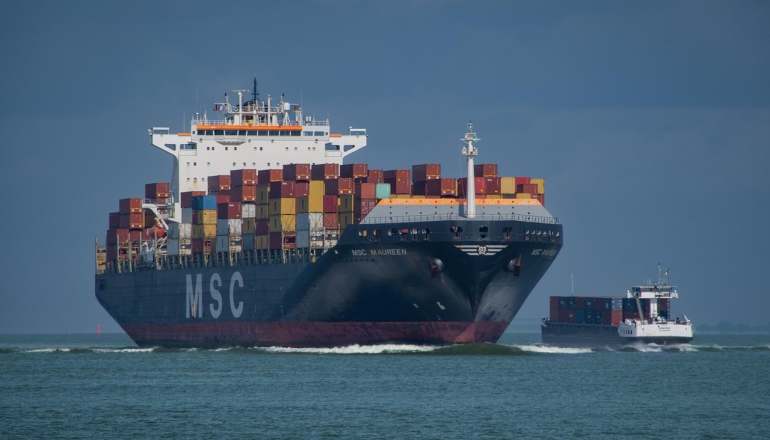
Under regulatory pressure, Maersk and MSC have pursued carbon reduction by switching fuels, acquiring new vessels, and improving energy efficiency. However, while Maersk focuses heavily on biofuels, MSC favors liquefied natural gas (LNG) and continues to explore carbon capture and storage (CCS) technologies, adopting a more diversified approach to emission cuts.
Maersk sets energy efficiency records but emissions rise in 2024
Maersk's annual report highlights that improving energy efficiency across routes and assets is the most effective and primary step toward net-zero, directly reducing energy consumption and carbon emissions.
In route planning, Maersk increases vessel deployment flexibility to minimize delays and associated emissions. For example, the "Gemini Cooperation" with German shipping company Hapag-Lloyd, launching in 2025, aims to maintain an on-time arrival rate above 90%.