.jpg)
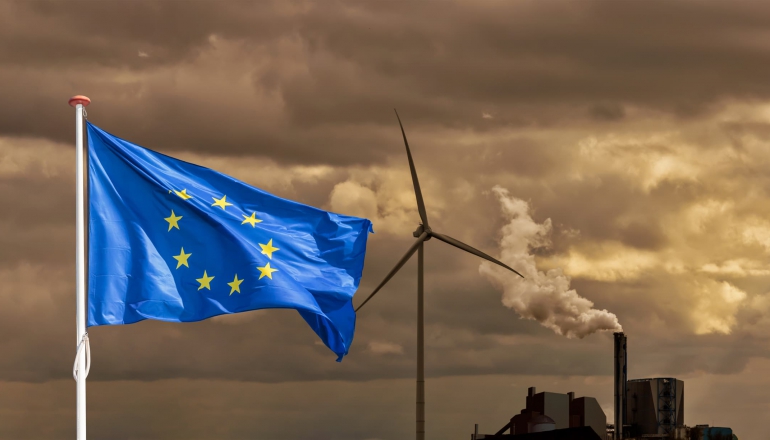
The European Union has confirmed plans to weaken its landmark 2035 ban on the sale of new petrol and diesel cars, lowering the requirement to 90% zero-emission vehicles. (Photo: iStock)
The European Union has confirmed plans to weaken its landmark 2035 ban on the sale of new petrol and diesel cars on Dec. 16, easing one of its most ambitious climate policies for the automotive sector. Under current law, carmakers would be required to ensure that all new cars and vans sold from 2035 produce zero tailpipe emissions. The European Commission now proposes lowering that threshold to 90%.
The revision would allow a continued role for non-electric vehicles beyond 2035, including plug-in hybrid electric vehicles (PHEVs) and potentially other combustion-engine models. The push for flexibility has been led by automakers and governments in Germany and Italy, where the car industry remains a cornerstone of national manufacturing and employment.
Volkswagen, Europe’s largest carmaker by volume, welcomed the proposal as a more realistic response to market conditions. “Opening up the market to vehicles with combustion engines while compensating for emissions is pragmatic and in line with market conditions,” the company said. German manufacturers are under growing pressure as they lose market share in China to local brands and face intensifying competition at home from low-cost Chinese EV imports.
European climate commissioner Wopke Hoekstra framed the proposal as a “win-win” for both consumers and industry, arguing that it preserves the EU’s long-term electrification trajectory while allowing manufacturers more flexibility in the transition.