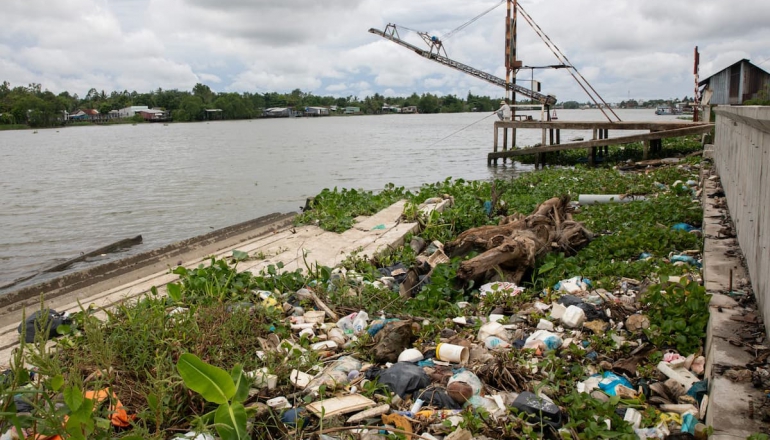
Nations gather in South Korea this month for a final meeting on curbing plastic pollution. Who are the key players – and is a deal likely?
.jpg)
This shoreside sculpture in the South Korean city of Busan was created from plastic waste. The country’s second most-populous city is hosting INC-5 this month, which will be the final round of negotiations on a global, legally binding treaty to curtail plastic pollution (Image: Wirestock / Alamy)
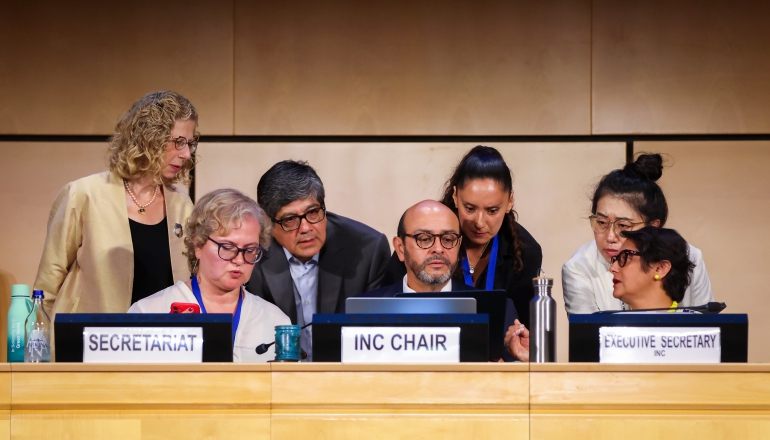
For the past two years, nations have been trying to craft a legally binding global treaty that will tackle plastic pollution. The fast-tracked negotiation process is due to end with this month’s meeting, which is taking place in Busan, South Korea, from 25 November to 1 December.
Here, Dialogue Earth explores why this fifth meeting of the Intergovernmental Negotiating Committee (INC) on Plastic Pollution matters, why there has been so much conflict, and what to watch out for.
Why is a global treaty to curb plastic pollution needed?
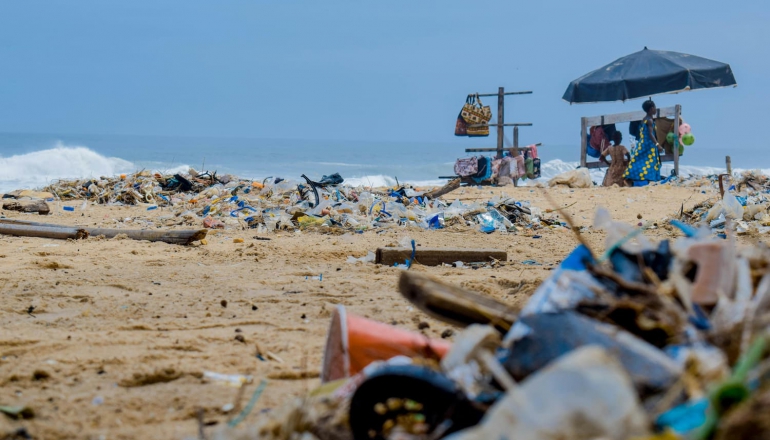
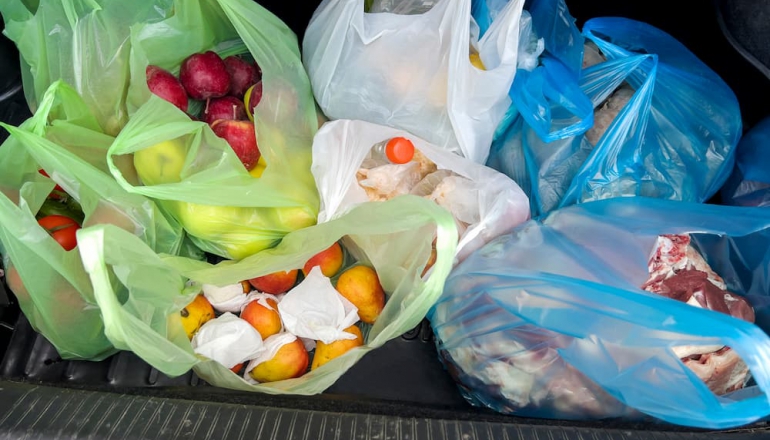
Since 1950, global plastic production has increased over 200-fold to almost 460 million tonnes annually. Much of this has been driven by the rise of single-use plastic, which accounts for half of all production. But while production has rocketed, recycling has struggled to keep up; as of 2015, it had only dealt with 9% of all plastic waste ever produced.
Production could also double or triple by 2050, according to some projections. As plastic is made almost completely from fossil fuels, this kind of growth would consume approximately a quarter of the remaining carbon budget for limiting global warming to 1.5C above pre-industrial levels.