.jpg)
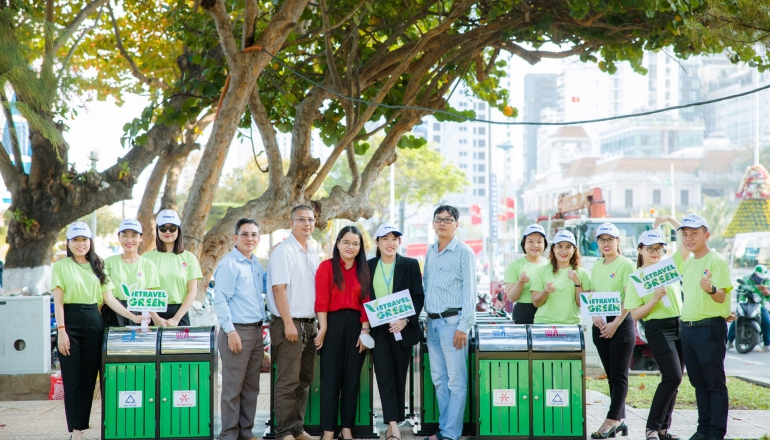
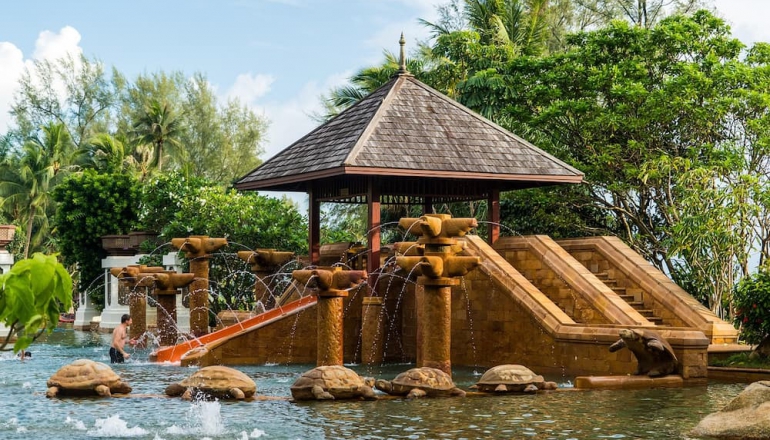
ASEAN sets out shared priorities for greener and more inclusive tourism growth. (Photo: iStock)
Travel in Southeast Asia has long followed a familiar loop of beaches, temples, and Instagram checklists. Beyond those well-trodden routes, however, a quieter form of tourism is taking shape — one that places greater emphasis on local communities, lighter environmental footprints, and experiences that don’t need a filter to feel meaningful.
Across the region, these alternatives are less about seeing more, and more about traveling differently. Ecotourism already accounts for up to 45% of Indonesia’s tourism income, underscoring its growing economic role.
At the regional level, ASEAN governments have also begun to formalize this shift. In January 2024, the bloc released its Action Roadmap for Sustainable Tourism Development, setting out shared priorities for greener and more inclusive tourism growth.
Below are a few examples that illustrate how sustainable tourism is being practiced on the ground.
Thailand
Learning to cook Lanna food
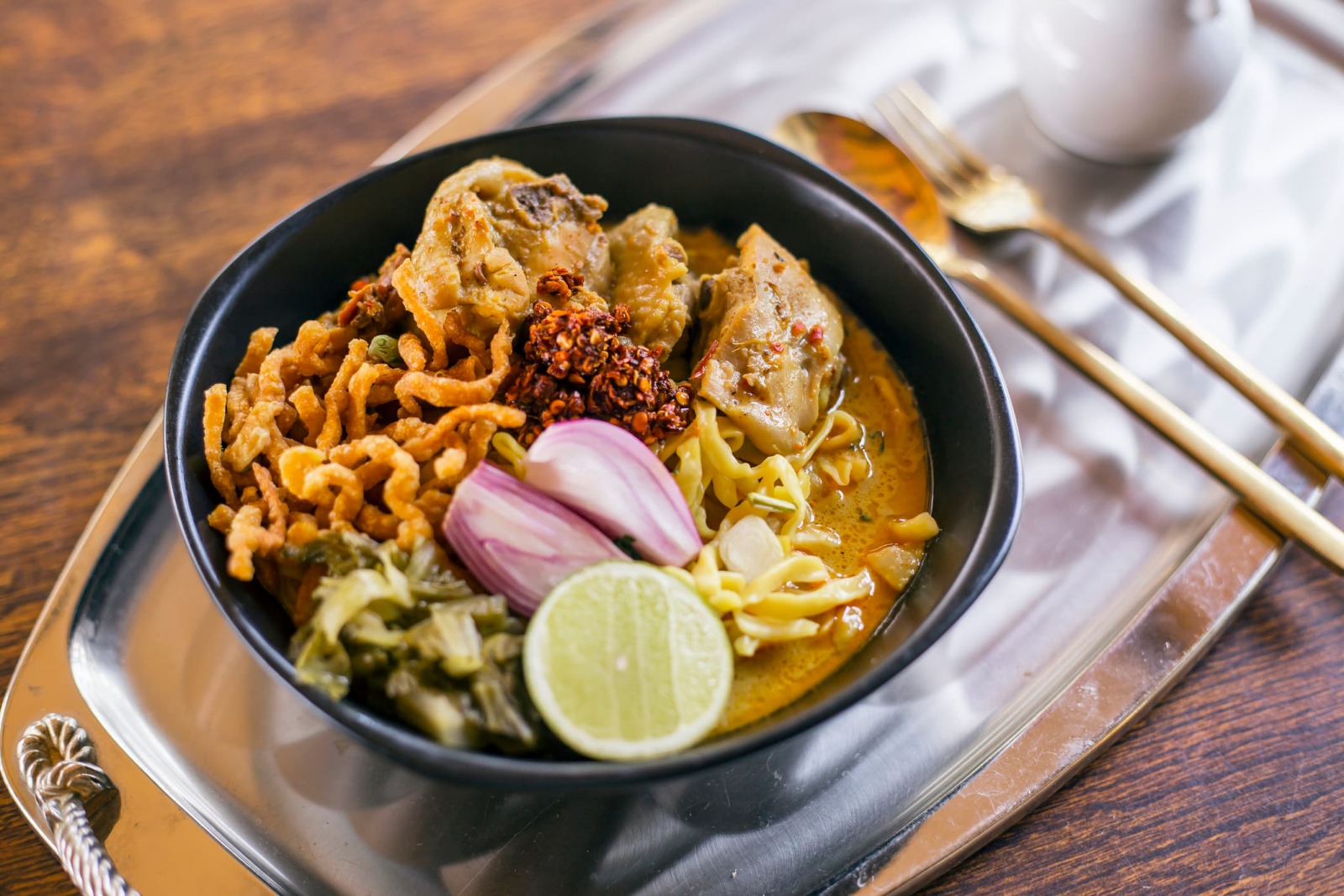
Learning to cook traditional Lanna cuisine is a popular experience among visitors. (Photo: iStock)
Chiang Mai, once the center of the ancient Lanna Kingdom, is now also a focal point for eco-tourism in northern Thailand. Among the more lowkey ways to engage with local culture are cooking classes centered on traditional Lanna cuisine and seasonal, locally sourced ingredients.