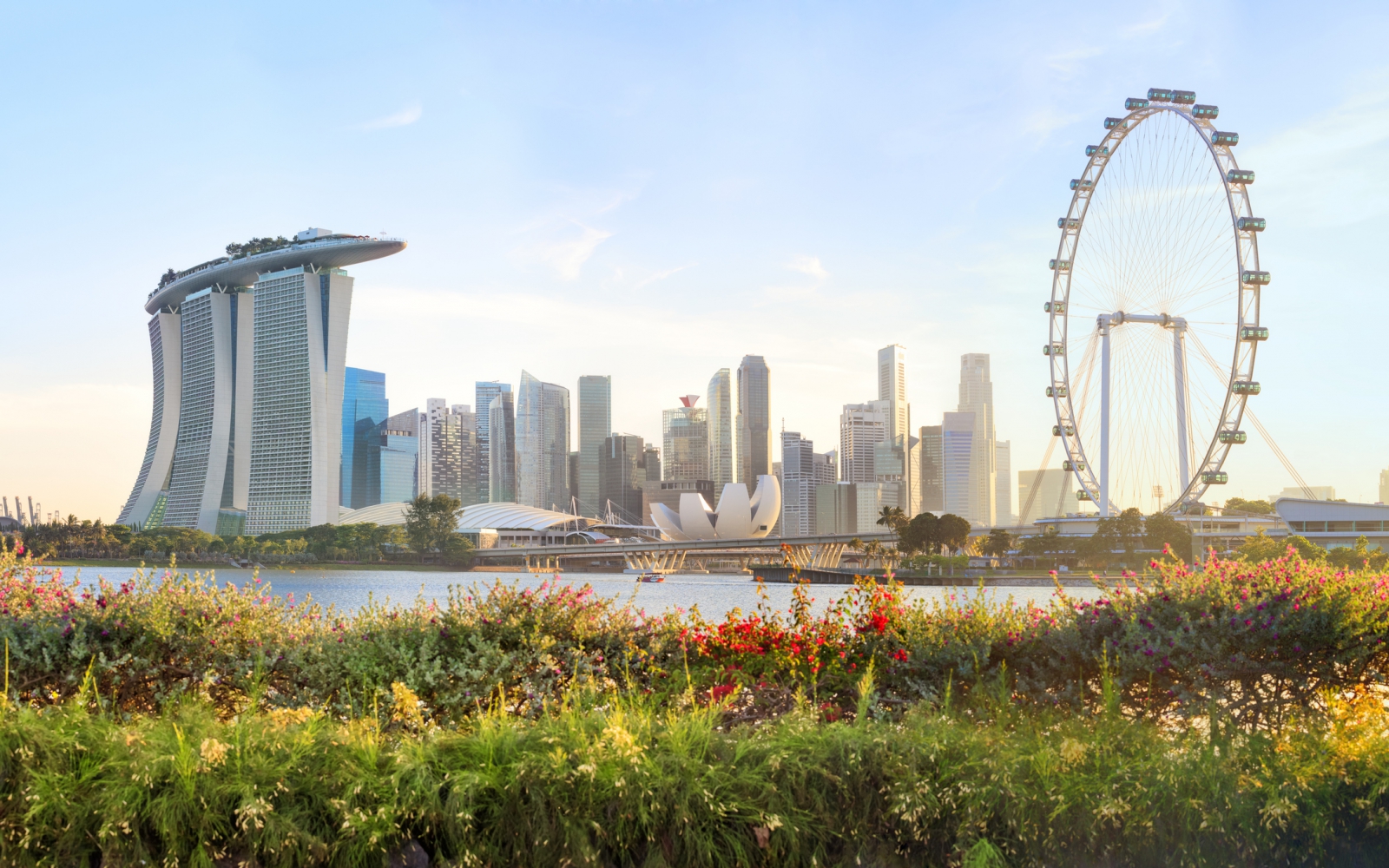
Singapore’s dense population and land scarcity make regional grids a necessity for its clean energy transition. (Photo: iStock)
Taiwan, surrounded by water on all sides, operates an islanded power grid with no connections to neighboring countries. In the event of an energy crisis, it has no external support to fall back on. As a result, effective power management by the state-run utility Taipower has become essential. Yet as countries across the world deepen cross-border electricity cooperation to accelerate decarbonization, regional power grids are emerging as a major trend—one Taiwan can no longer afford to overlook.
In our special series Rewiring Asia, RECCESSARY explores regional grid developments around the world and assesses their relevance and feasibility for Taiwan, analyzing the key opportunities and challenges on the road ahead.
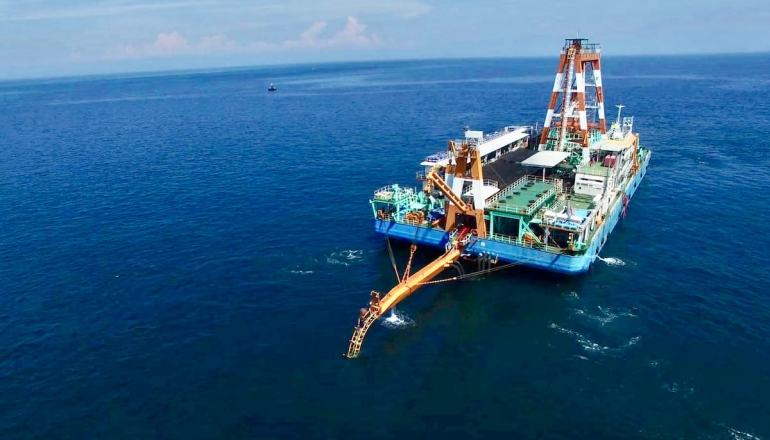
When Taiwan’s Minister of Economic Affairs Kuo Chih-hui (郭智輝) floated the idea of building a power plant in the Philippines and transmitting green electricity back to Taiwan via subsea cables, it ignited intense debate at home. But further south, Singapore—a densely populated, resource-constrained city-state—has long recognized the strategic value of regional grid integration. Its early push for cross-border electricity trade is now providing crucial momentum for renewable energy growth across Southeast Asia.
How did Singapore get ahead in this space? And what hurdles remain?
95% gas reliance pushes Singapore to diversify through grids
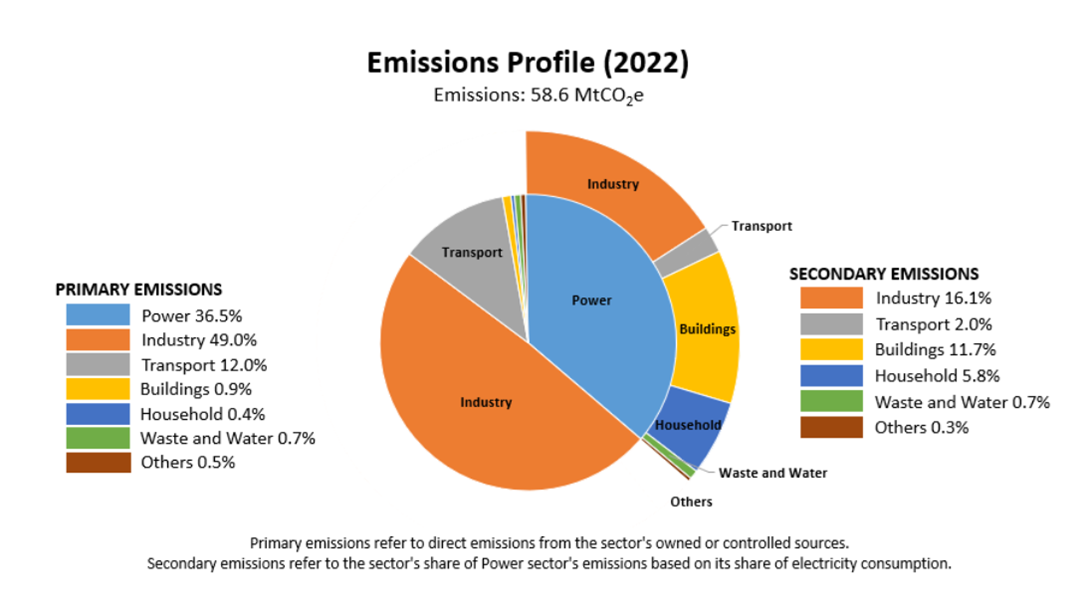
Singapore relies heavily on natural gas, which accounts for 95% of its electricity generation. Energy-related emissions represent 36.5% of the country's total carbon footprint, second only to the manufacturing sector. To meet growing electricity demand while staying on track for net-zero emissions by 2050, Singapore must shift toward cleaner energy sources.