Login | Join Member | Subscription | Corporate Partnership

Thailand's development of "plastic roads": a sustainable infrastructure innovation

EN
Add to Favorites

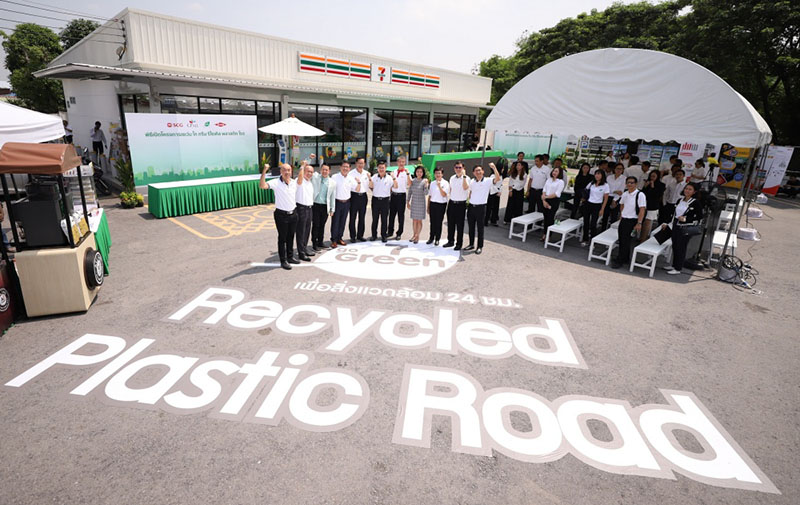
(Photo: Chiang Mai University)

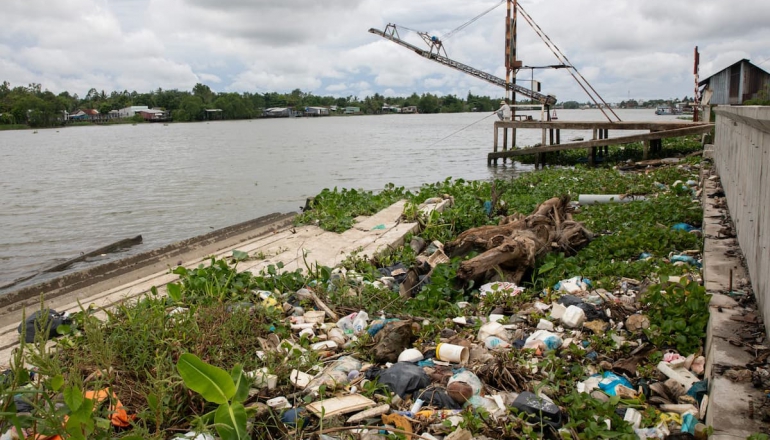
Plastic is primarily composed of high-carbon fossil fuels, with annual carbon emissions equivalent to 600 coal-fired power plants. Due to its resistance to natural decomposition, recycling and reuse have become critical issues. In recent years, the Thai government has successfully developed a new technology that incorporates waste plastic into asphalt for road paving. This not only enhances durability but also reportedly reduces 5 tonnes of plastic waste for every kilometer paved.


To continue reading, subscribe to RECCESSARY
• Unlimited access to all articles across the site
• In-depth analysis of Asia-Pacific renewable energy and carbon markets
• Latest green electricity and carbon price data
• Members-only sustainability policy newsletter
Join 500,000+ green professionals worldwide
Related Topics
Indonesian gold mining firm achieves 100% green energy use for four consecutive years
Jurisdictional REDD+: A new frontier in carbon credit market
Back

More Related News

TOP
Download request

Please fill out the form to download samples.

Name
Company
Job title
Company email
By using this site, you agree with our use of cookies.