.jpg)
As Thailand heads to the polls on Feb. 8, experts explain why climate remains sidelined in the election debate and what the next government must do on energy. (Photo: iStock)
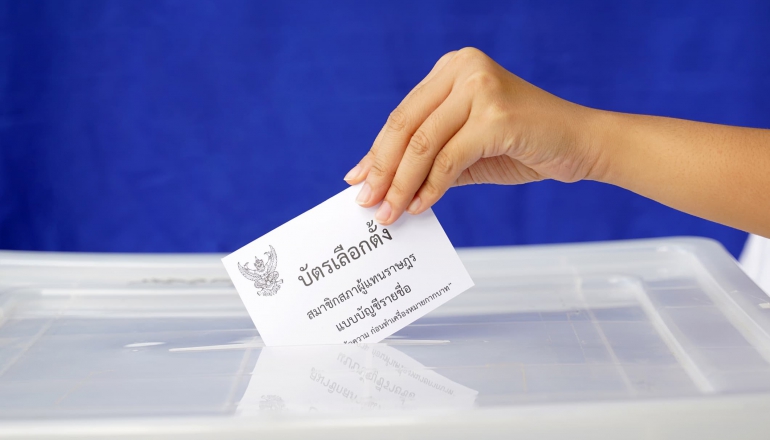
Thailand will head to the polls on Feb. 8, voting in elections for the House of Representatives alongside a referendum to replace the 2017 Constitution. Despite the growing toll of climate-related disasters, climate and renewable energy have not moved to the center of the campaign, with most candidates continuing to focus their campaigns on economic growth.
This disconnect is becoming harder to ignore as Thailand faces mounting climate risks. Heavy monsoon rains in November 2025 triggered widespread flooding that affected 1.7 million people, caused an estimated USD 157 billion in damages, and threatened up to USD 400 million in losses across high-value export commodities.
“When parties prioritize GDP growth over ecosystems and biodiversity, the losses become more severe,” said Manun Wongmasaoh, Climate Communications Campaigner at Greenpeace Thailand and project leader of the Vote for Climate, Write for Justice campaign.
While several parties have put forward climate or energy-related proposals, Manun told RECCESSARY that the current policy framework and governance on energy, climate, and environmental issues remain insufficient to address the scale and complexity of the climate crisis.