.jpg)
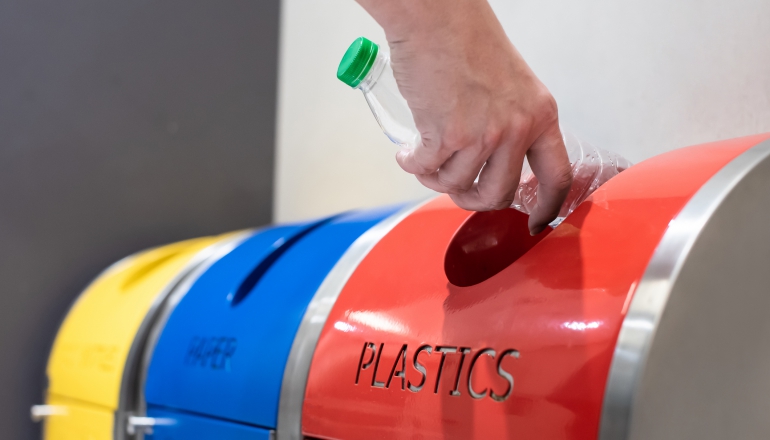
Thailand targets 100% plastic reuse by 2027. How will the petrochemical sector lead the shift to green and advanced recycling? (Photo: iStock)
Thailand aims to make 100% of its plastic waste reusable by 2027. As the country accelerates efforts to meet its domestic target, both government and industry are also preparing petrochemical producers for the European Union's Carbon Border Adjustment Mechanism (CBAM), which may soon extend to plastics.
“Unless the government supports the development of more efficient recycling technology and processes, these high costs will persist, and we won’t genuinely reduce plastic waste volumes,” said Thititham Pongpanangam, chairman of the FTI’s Plastics Industry Club. He added that although manufacturers are adjusting to external pressures, shortcomings in domestic waste management remain the most significant barrier to progress.
Building a national system for plastic recovery
Thailand is now in the second phase of its Plastic Waste Roadmap, which runs from 2023 to 2027 and sets three core targets: achieving a complete reduction of targeted plastic waste entering landfills; ensuring all identified plastic products are fully recycled; and cutting by half the volume of plastic waste that could potentially escape into the sea. The targeted items include plastic bottles, bottle caps, single-layer film packaging, plastic bags with handles, and plastic cups.