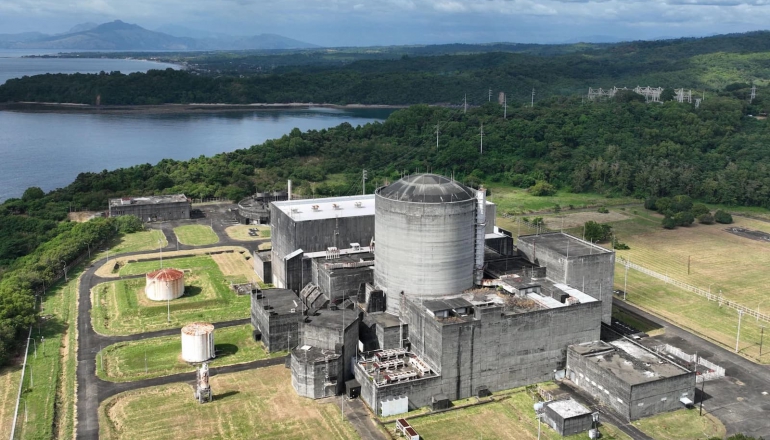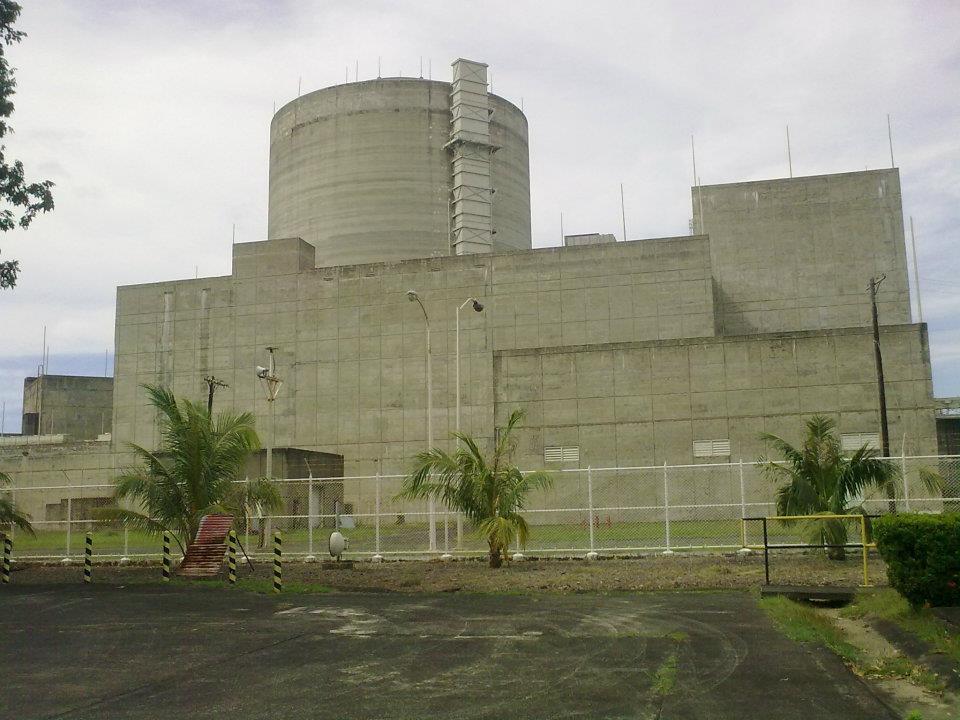
Nuclear is re-entering energy planning in both Vietnam and the Philippines, where the Bataan Nuclear Power Plant was completed in the 1970s but never commissioned. (Photo: Wikimedia Commons)
After nearly a decade on pause, nuclear power is re-entering Southeast Asia’s energy planning with clearer policy backing and institutional momentum.
At a May 5 webinar hosted by the ISEAS–Yusof Ishak Institute, experts highlighted that although Vietnam and the Philippines both seek nuclear power to decarbonize their grids, their focus remains distinct. Vietnam is moving ahead with financing and project execution, while the Philippines is still building the institutional foundations needed to support deployment.
Unlock the full article to explore three key takeaways:
- Vietnam is moving ahead with the Ninh Thuan 1 project under a Rosatom-backed financing structure, but the second site remains without a partner following Japan's withdrawal in 2025, leaving the program’s full scope unresolved.
- The Philippines has embedded nuclear into its national energy plan and established an independent nuclear regulatory authority, but political continuity across election cycles remains the most structurally difficult challenge to manage.
- In both countries, institutional capacity, from regulatory expertise to public acceptance, is developing in parallel with project planning.