.jpg)
Nearly 60% of steel imported into the EU comes from Asia, making Asian steelmakers particularly exposed to the impact of CBAM. (Photo: iStock)
The European Union’s Carbon Border Adjustment Mechanism (CBAM) will officially take effect in 2026. Importers will be required to purchase and surrender CBAM certificates for carbon intensive products entering the EU market. At the same time, the European Union Emissions Trading System (EU ETS) will begin phasing out free carbon allowances for domestic industries. Together, these changes mark the end of the zero-carbon tariff era for products exported to the European market.
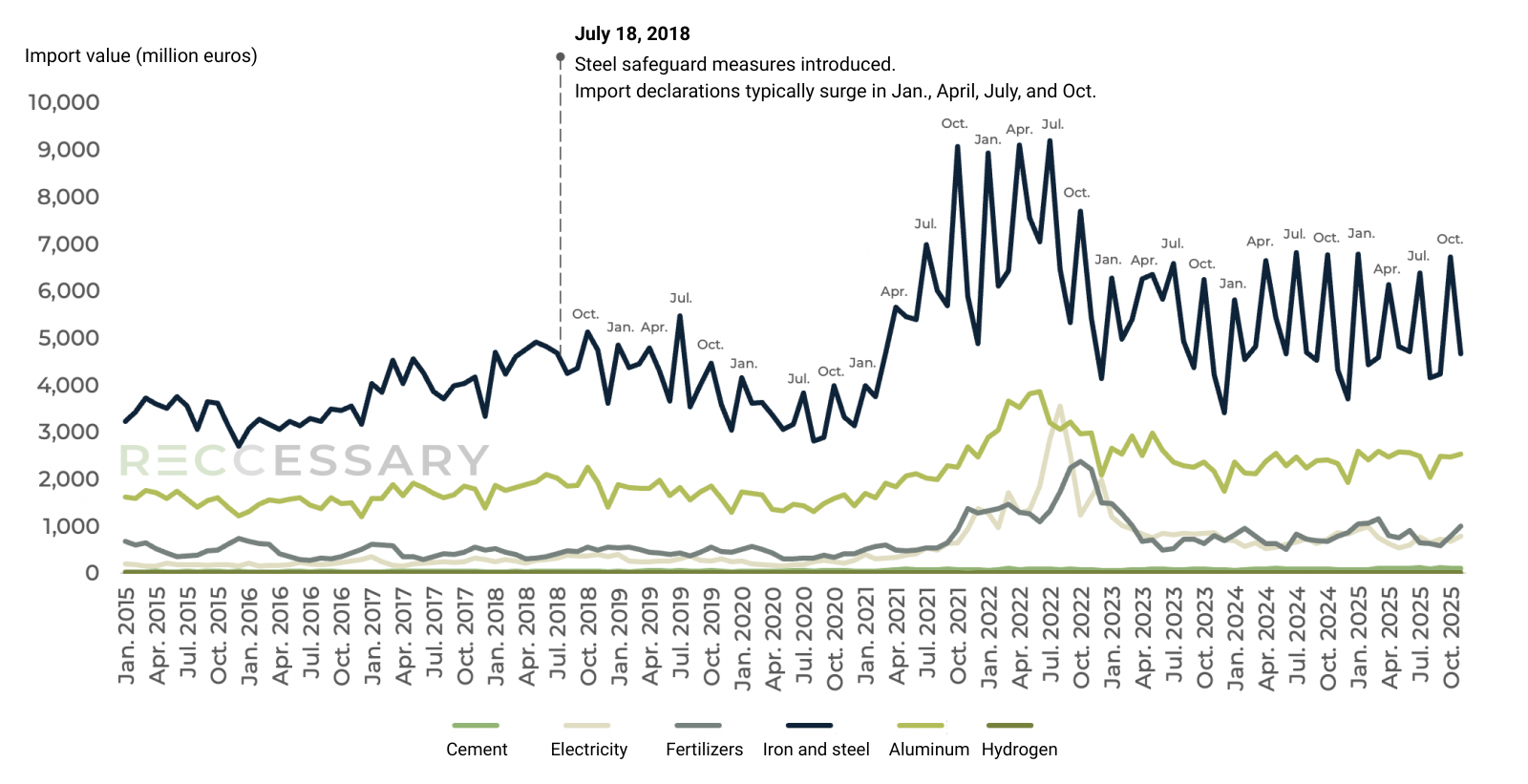
Figure 1. Import value trends of CBAM covered products from non-EU countries to the EU [1]
CBAM covers six sectors including cement, electricity, fertilizers, iron and steel, aluminum, and hydrogen. Among industries exporting to the EU, iron and steel as well as aluminum are expected to face the most significant impact. In 2024, iron and steel accounted for 58% of the total import volume of CBAM covered products, while aluminum represented 26%.
Electricity accounted for 7% of CBAM covered imports in 2024, although the share once reached 14% in 2022. The spike was largely driven by the Russia-Ukraine war, which disrupted natural gas supplies in Europe and pushed up local power generation costs. The resulting supply demand imbalance led to increased cross border electricity imports. However, with the EU advancing renewable energy expansion and energy system restructuring under REPowerEU, electricity generation in the region has gradually stabilized, making another surge in imports less likely in the future.
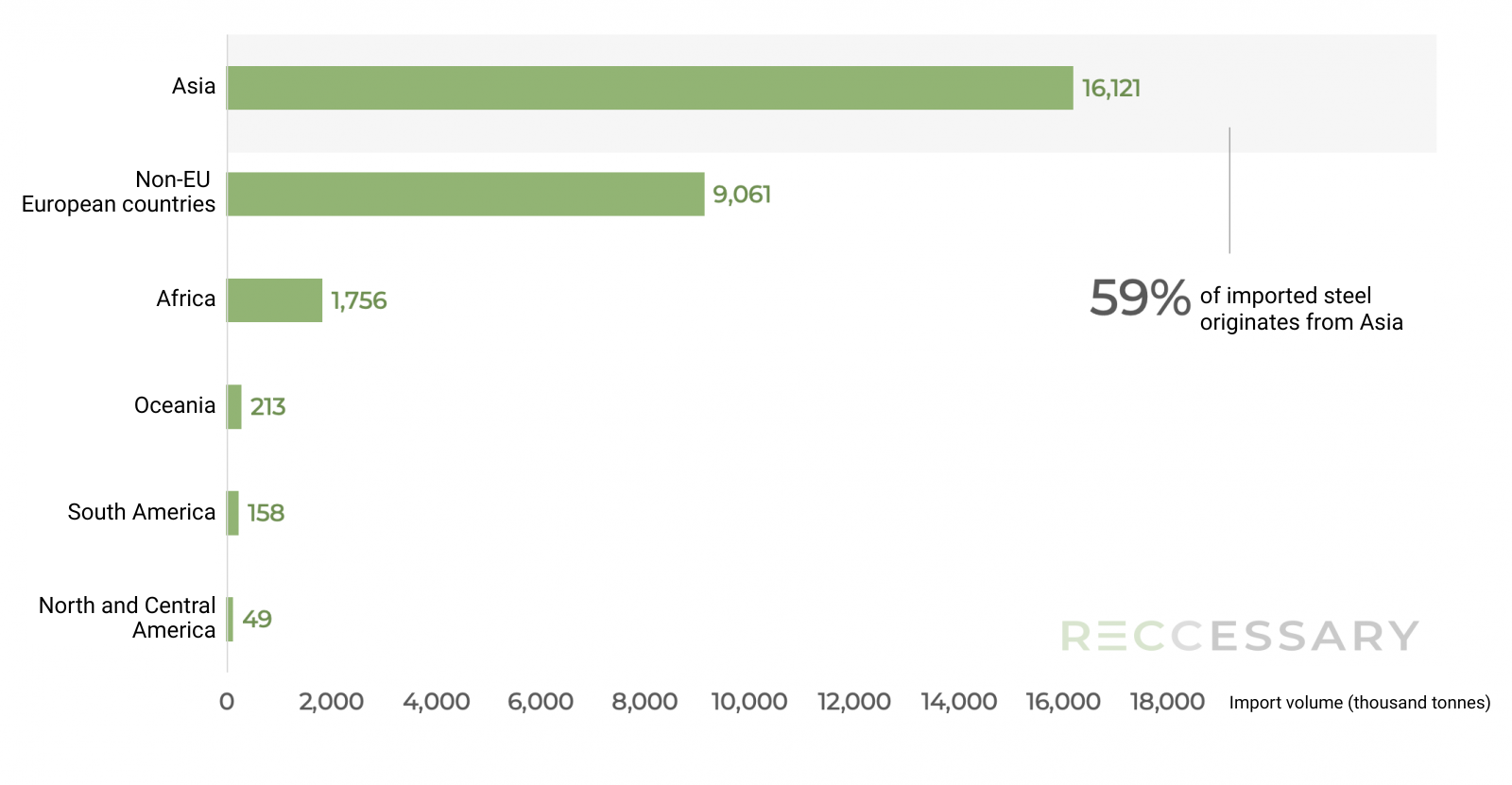
Figure 2. Structure of the EU’s steel import sources by region, 2024 [2]
Across regions, the impact on Asia’s steel industry is particularly pronounced. Nearly 60% of all steel imported into the EU originates from Asia, as shown in Figure 2.
This concentration means Asian steel producers are likely to face significant pressure once CBAM takes effect. Based on steel import volumes in 2024, the top six suppliers to the EU are all Asian countries, including transcontinental Turkey, as shown in Figure 3.
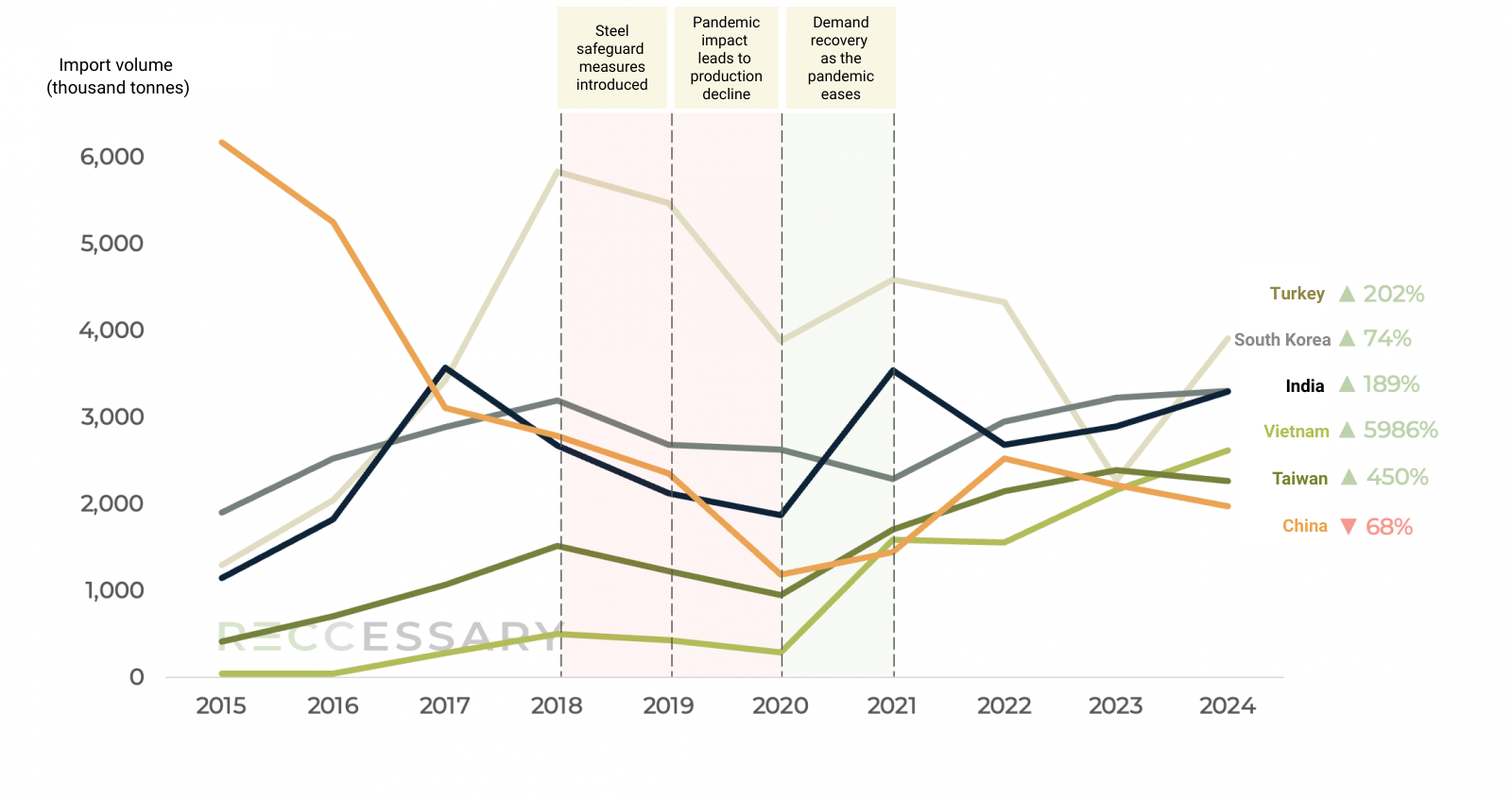
Figure 3. Steel export trends to the EU by major supplying countries [3]
Unlock this analysis to learn three key takeaways:
- How CBAM is reshaping Asia’s steel exports to Europe.
- A breakdown of CBAM-covered steel products in Taiwan, Thailand, and Vietnam.
- Two key strategies for Asian steelmakers to respond to CBAM.