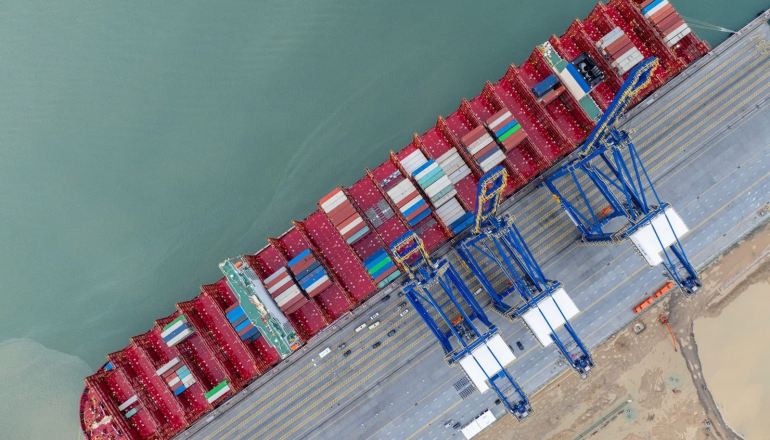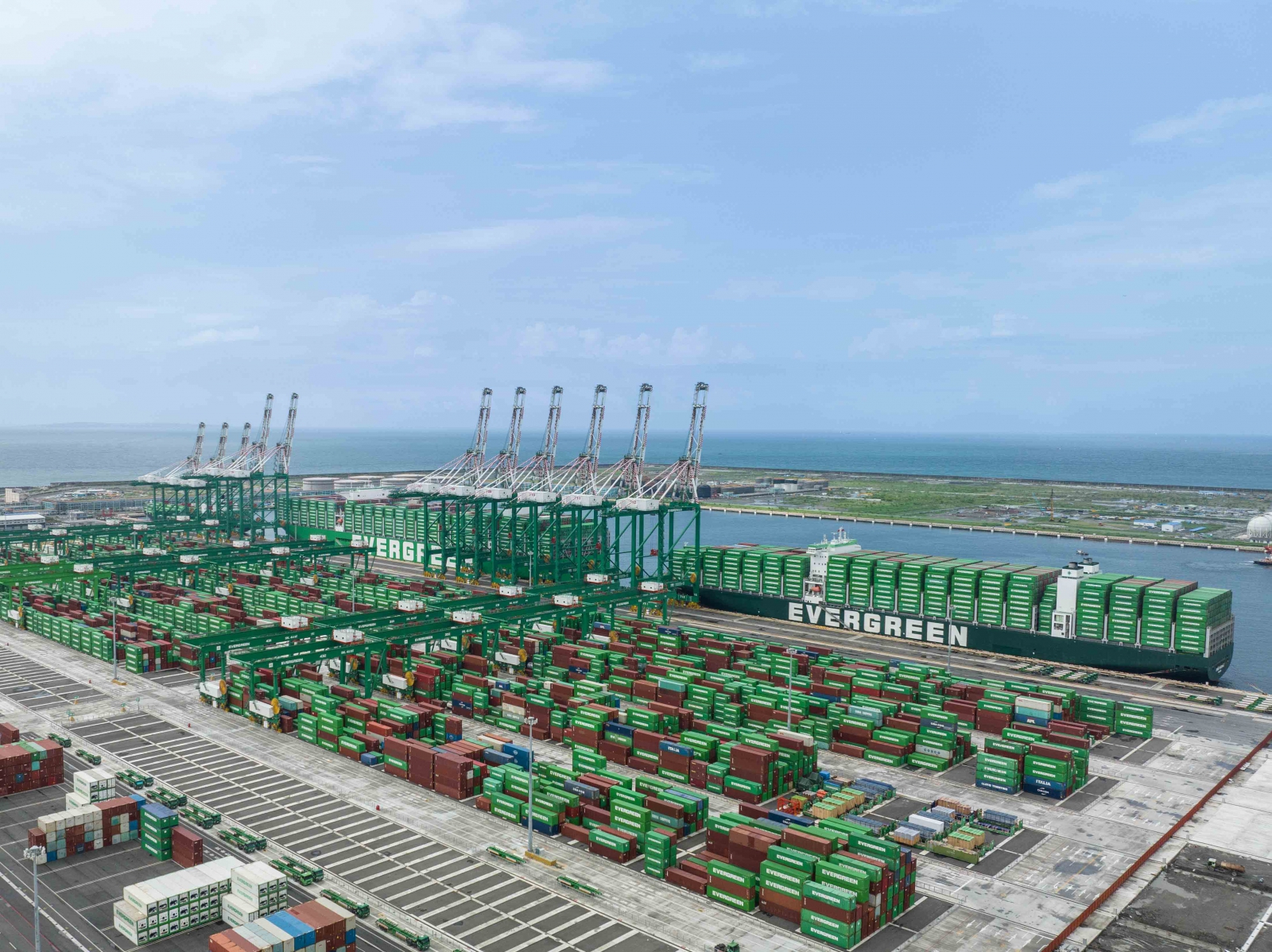
Evergreen Marine’s Terminal 7 at Kaohsiung Port, launched in 2023, is Taiwan’s first automated container terminal. (Photo: Evergreen Marine)
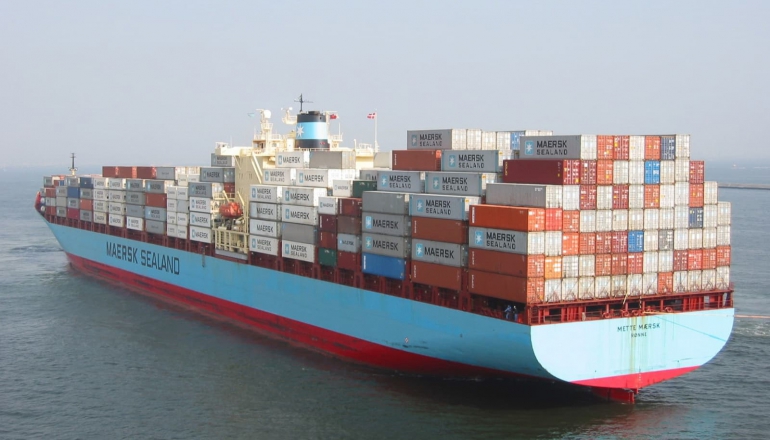
Although shipping accounts for only about 3% of global carbon emissions, the sector carries nearly 90% of global trade, making it central to global decarbonization efforts. Taiwan’s three leading carriers— Evergreen Marine, Yang Ming Marine, and Wan Hai Lines—are stepping up efforts to reach net-zero emissions by 2050, in response to international carbon pricing regulations.
According to RECCESSARY carbon market analyst Sherry Hu, Taiwan’s shipping industry faces two major challenges in its green transition: Cost pressures and fuel supply. Companies that fail to adopt cleaner fuels early may struggle with rising costs in the long term.
ETS surcharges and 2027 carbon pricing raise pressure on shipping
Energy efficiency and carbon reduction have become global priorities, not only for ESG compliance but also to avoid rising regulatory costs. Both the International Maritime Organization (IMO) and the European Union have introduced measures targeting shipping emissions.
As of 2024, major carriers have begun collecting surcharges under the EU Emissions Trading System (ETS). The IMO is also preparing its own carbon pricing mechanism that could reach up to USD 380 per metric ton, with enforcement expected by 2027 and mandatory payments starting in 2028.