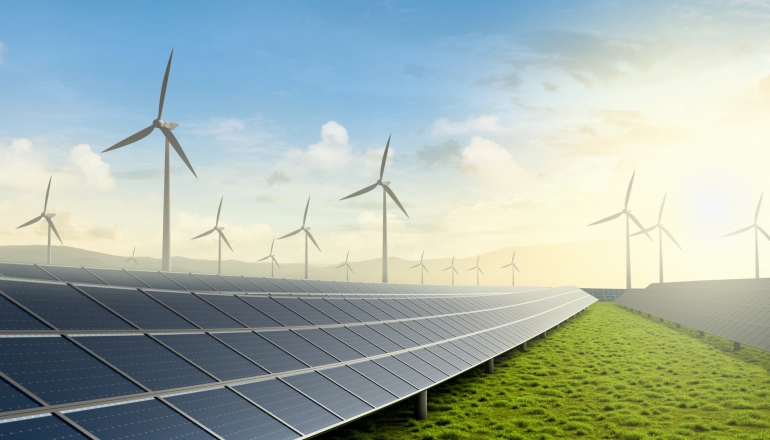
Lack of financing remains a major bottleneck for energy transition in ASEAN countries. (Image: iStock)
The International Energy Agency (IEA) projects that energy demand in ASEAN nations will grow at the second-fastest rate globally over the next decade, trailing only India. However, a significant shortfall in renewable energy investment has emerged as a key barrier to the region’s energy transition.
RECCESSARY examines investment trends in ASEAN’s clean energy sector, highlighting which countries are leading the capital flow and which renewable technologies are drawing the most attention.
ASEAN FDI defies global trend, boosted by renewables and EV growth
Foreign direct investment (FDI) in ASEAN member states has continued to grow, reaching a record high in 2022. While global FDI declined, the region’s share climbed above 16%, bucking the broader trend. Annual inflows have since remained above USD 200 billion. According to the ASEAN Centre for Energy’s (ACE) latest ASEAN Energy Investment 2025 report, sustained investor interest in renewable energy and the electric vehicle (EV) value chain is a key factor behind the region’s investment resilience.
The ASEAN Investment Report 2025, published by the ASEAN Secretariat, notes that multinational and regional companies are expanding green supply chains to meet sustainability targets, an approach that is directly influencing FDI flows into the region. This trend is particularly evident in supply chain development and renewable energy, which are helping boost the manufacturing competitiveness of ASEAN economies.