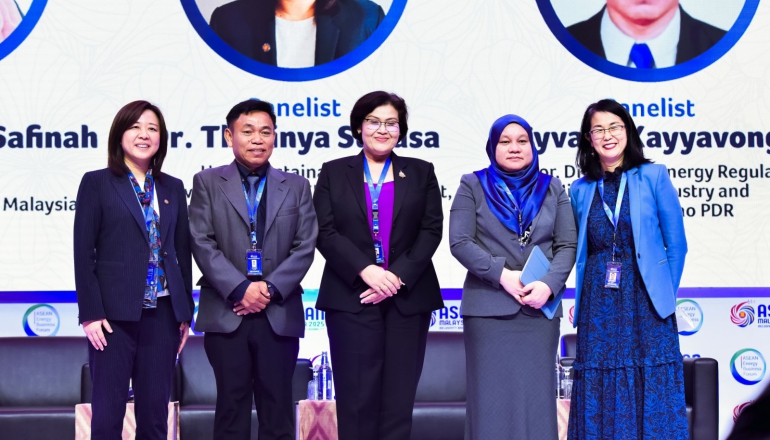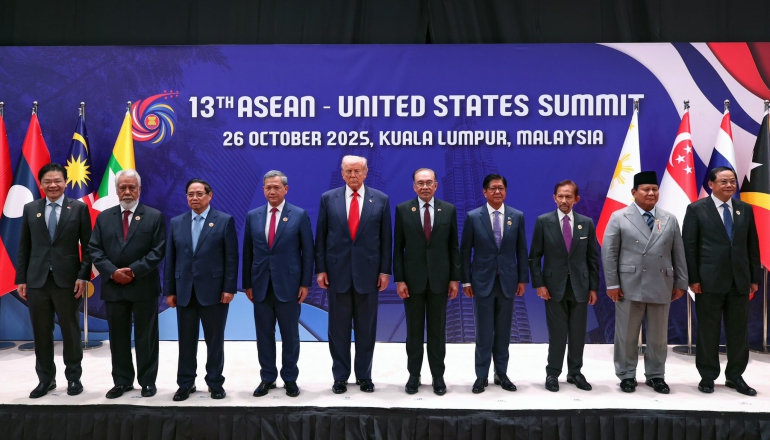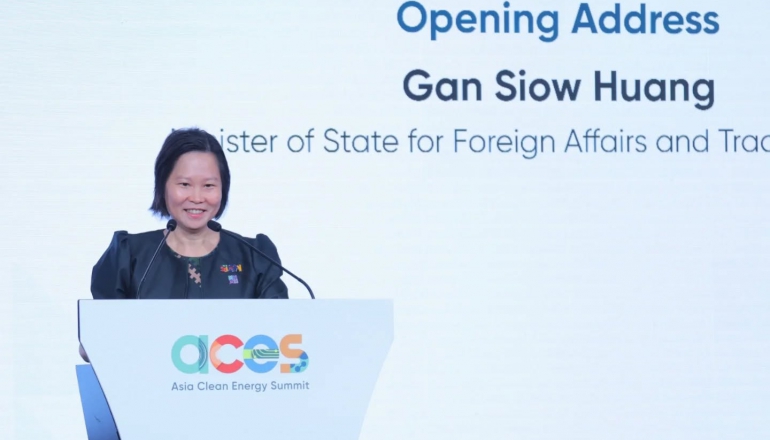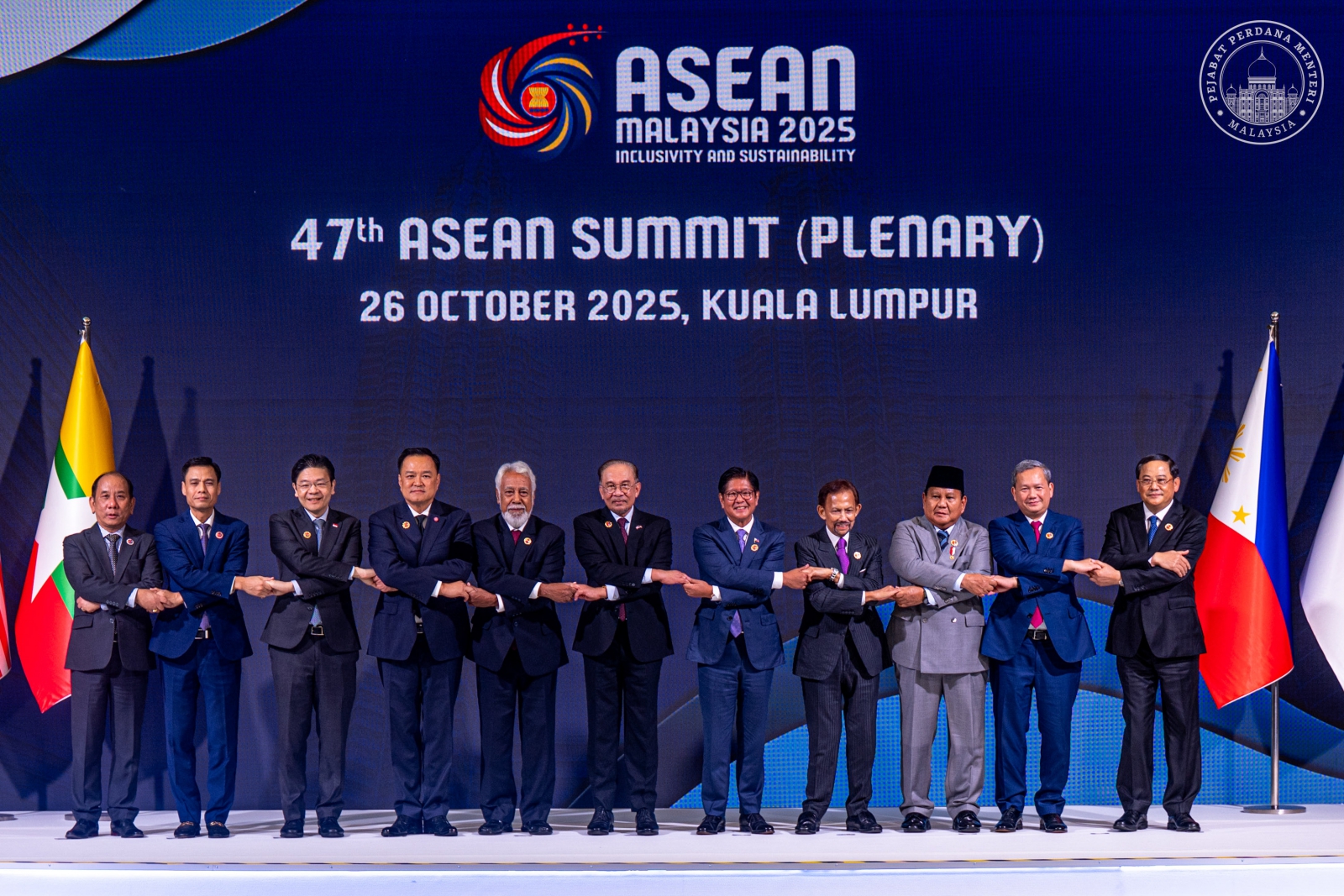
Malaysia actively advanced regional energy cooperation during its ASEAN chairmanship. (Photo: ASEAN)
As the ASEAN Summit concluded, Malaysia formally handed over the chairmanship to the Philippines. This year’s summit marked a shift from symbolic gestures to substantive dialogue, with clearer action plans and defined goals. Notably, the vision for a unified renewable electricity market gained traction and attention.
RECCESSARY presents the special series “ASEAN’s energy leap,” offering a comprehensive look into this emerging green growth hub, from Malaysia’s leadership during its chairmanship, to new developments in the ASEAN Power Grid (APG), and the decarbonization efforts of national oil companies across the region.
After more than a decade, ASEAN has officially welcomed a new member. Timor-Leste, located between Australia and Indonesia, joined this year as ASEAN’s 11th member state. The accession is expected to grant it access to the region’s free trade market and create fresh economic opportunities for its struggling economy. ASEAN, in turn, reinforces its image as a diverse and inclusive bloc committed to democratic renewal.
However, from an energy transition perspective, Timor-Leste’s current development may present challenges for the region’s broader decarbonization goals.
Timor-Leste builds first large-scale solar plant as four renewable sectors draw attention
Timor-Leste is Southeast Asia’s smallest economy, with a land area of roughly 15,000 square kilometers. Its national income relies heavily on oil and gas. According to the International Renewable Energy Agency (IRENA), renewables account for less than 10% of the country’s energy mix, mostly from household biomass. Given limited energy reserves and underdeveloped infrastructure, energy transition, particularly capital-intensive renewable projects, has not been a top priority for the government.