.jpg)
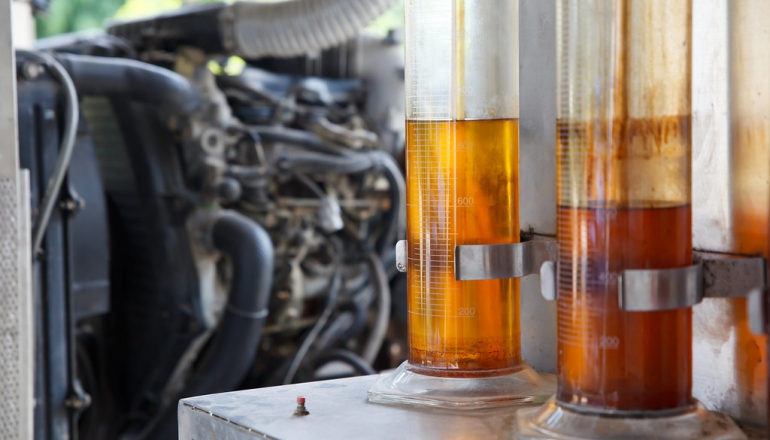
Biofuel, including biodiesel, is a key driver of bioenergy development in the transport sector. (Photo: iStock)
At COP30 in Belém, Brazil, advancing sustainable fuels emerged as a key agenda. With Southeast Asia holding vast biomass resources, the region is seen as central to global biofuel expansion. Brazilian President Luiz Inácio Lula da Silva signaled openness to work with the Global South to shape a unified standard for the biofuel market.
RECCESSARY presents the “Unlocking ASEAN bioenergy” series, taking an ASEANcentric view to explore the current state of the industry and its challenges. The series examines policy directions in Indonesia, Thailand, and Vietnam, and concludes with a focus on opportunities and risks in the Malaysian market through real business case studies.
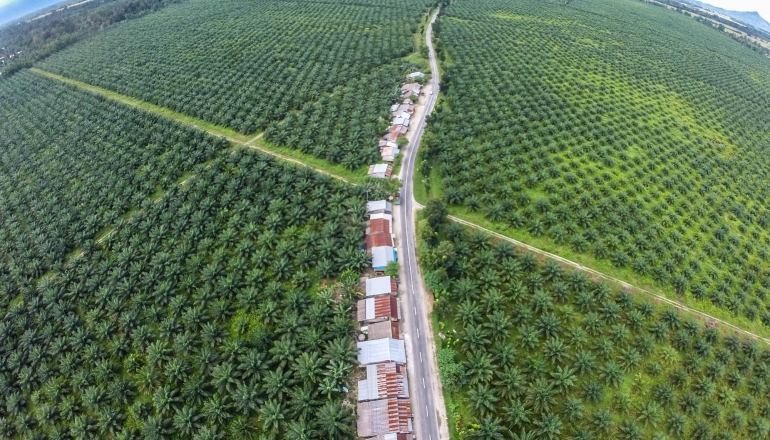
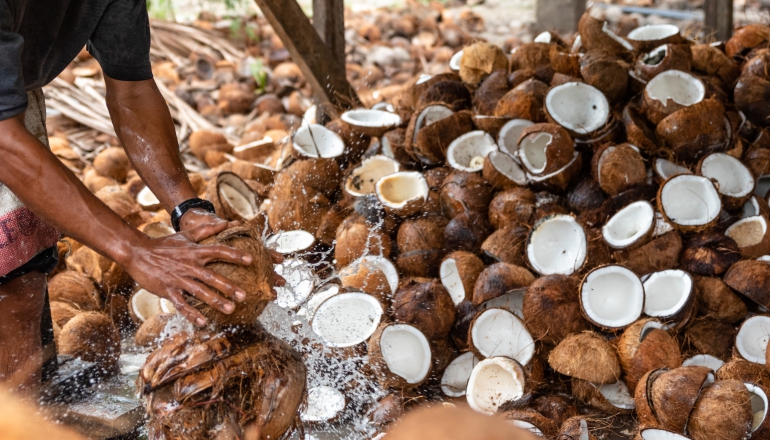
Endowed with abundant natural resources, Southeast Asia shows strong promise for bioenergy development. With relatively stable feedstock supplies, the region has the potential to complement intermittent renewables like wind and solar. Yet, each country’s unique policy landscape and biomass profile have led to fragmented supply chains. RECCESSARY explores the policy directions and ongoing challenges in three ASEAN countries—Thailand, Indonesia, and Vietnam—that are widely seen as having the greatest potential to scale up bioenergy.
Bioenergy fills renewable gaps, with Thailand leading the ASEAN pack
Biofuels and wastebased fuels account for about 19.2% of Thailand’s total energy supply, the highest share in ASEAN. A major reason for this leadership is a supportive policy environment. Thailand has introduced measures such as the Alternative Energy Development Plan (AEDP), incentives for Small Power Producers (SPP) and Very Small Power Producers (VSPP), and expanded feedin schemes for renewable energy to promote uptake.
To buffer the economy from volatile global oil prices, the Thai government established the State Oil Fund as early as 1991. This fund laid the groundwork for later development of bioethanol and biodiesel, helping to kickstart the transport energy transition.
Today, biodiesel blended at 20% (B20) and gasoline blended with 85% bio-ethanol (E85) are both commercially available in Thailand, supported by local producers and installed production capacity. According to the Economic Research Institute for ASEAN and East Asia (ERIA), Thailand had 27 ethanol production facilities as of 2024.
Sustainable aviation fuel (SAF) made from waste cooking oil is also gaining traction in Thailand, largely due to regulations requiring airlines to blend at least 1% SAF into their jet fuel starting in 2026 — a percentage set to rise in the following years. Supporting this shift are two major local producers: energy giant Bangchak and state-owned oil company PTT.