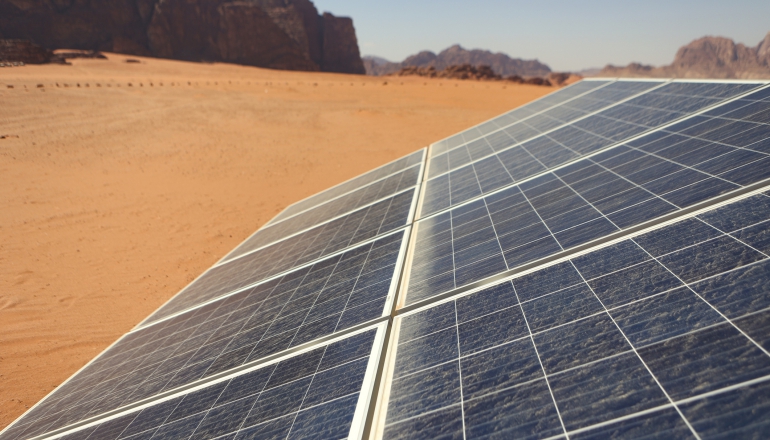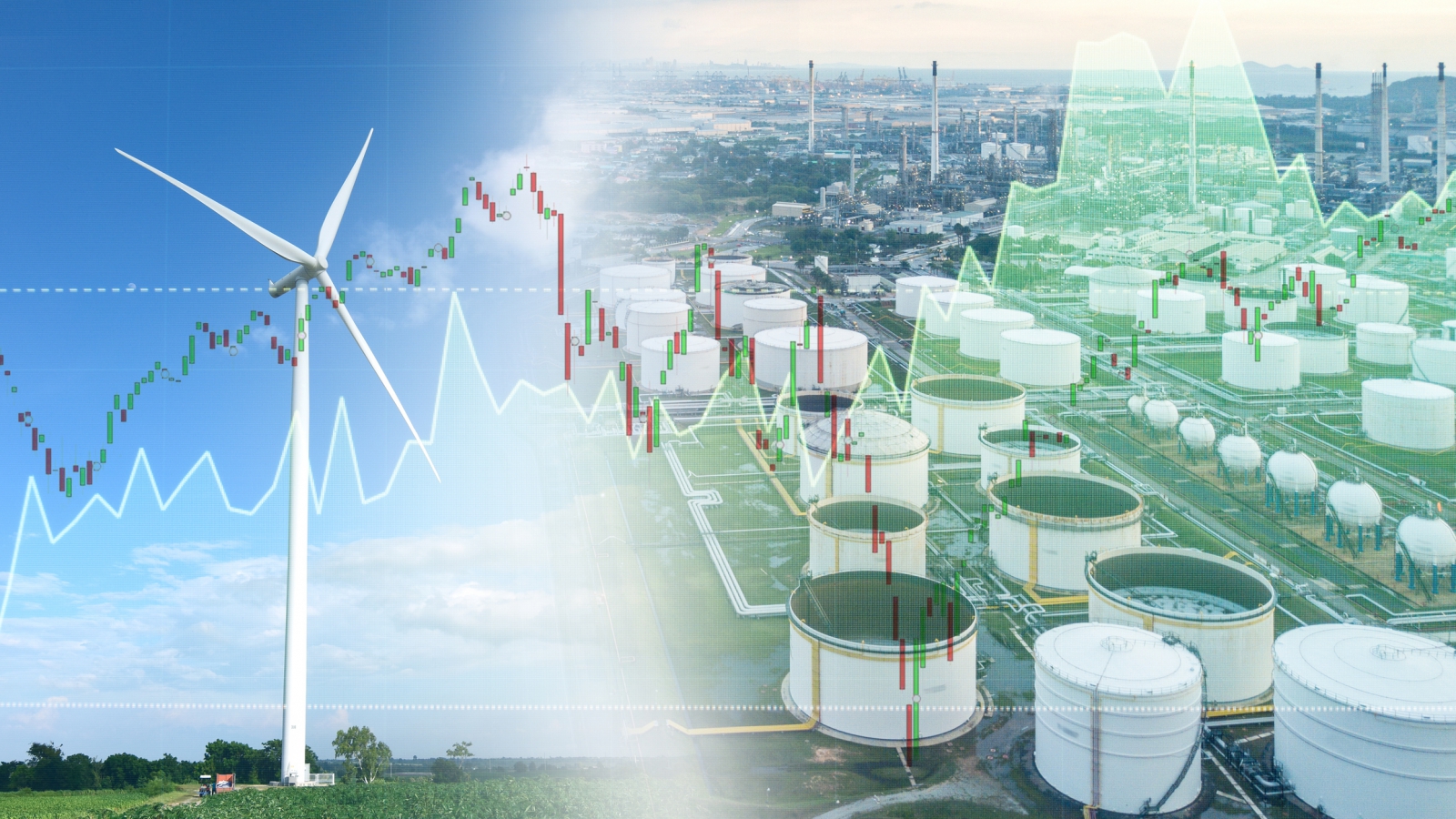
Expert say corporate energy strategies vary widely depending on location and industry, and renewable energy is not necessarily the only solution for companies facing rising international fossil fuel prices. (Photo: iStock)
The Middle East sits at the center of global oil and natural gas trade. Following a strike on Iran by the U.S. and Israel, fossil fuel prices have swung sharply, fueling concerns over inflation, raw material costs, and supply chain stability.
For Taiwan, which relies heavily on imported natural gas, the impact could quickly spread across industries. Through interviews with steelmakers, renewable energy developers, and energy experts, RECCESSARY explores how rising geopolitical tensions may reshape supply chains and corporate energy strategies.
Risk 1: Rising raw material costs
Around 30% of global oil and 17% of natural gas exports come from the Middle East. Any disruption in the region could have significant consequences for major energy importers in East Asia and Europe. As international energy prices climb, companies are likely to face higher production and transportation costs, which in turn could push up raw material prices. The result could be broader price increases and rising inflation, one of the key risks businesses are currently watching.
Data from Taiwan’s Energy Administration under the Ministry of Economic Affairs show that domestic natural gas production remains negligible compared with imports. In 2025, imports accounted for as much as 99.7% of Taiwan’s natural gas supply. Natural gas in Taiwan is used primarily for power generation and cogeneration, which together account for about 85% of total supply, far exceeding industrial use at 13.4%. Any disruption to natural gas supply could therefore pose challenges to the stability of the island’s power system.
Unlock this analysis to learn three key takeaways:
- Iran war could raise operating costs and disrupt supply chains
- China Steel (中鋼) warns the war could reshape global steel trade flows.
- Experts say companies should pursue a diversified energy mix rather than relying on a single source.