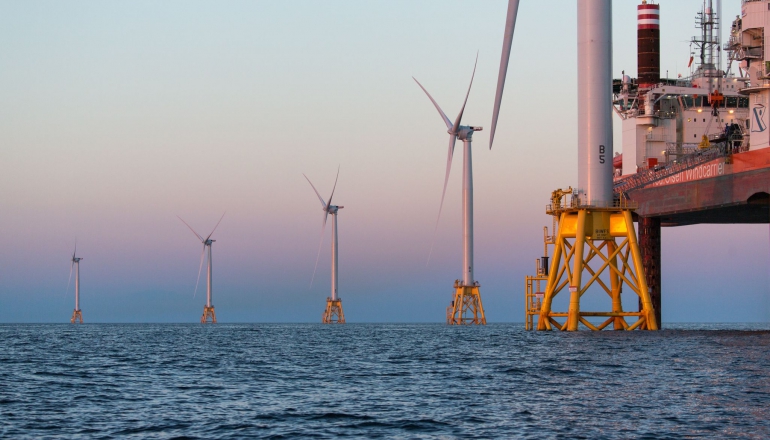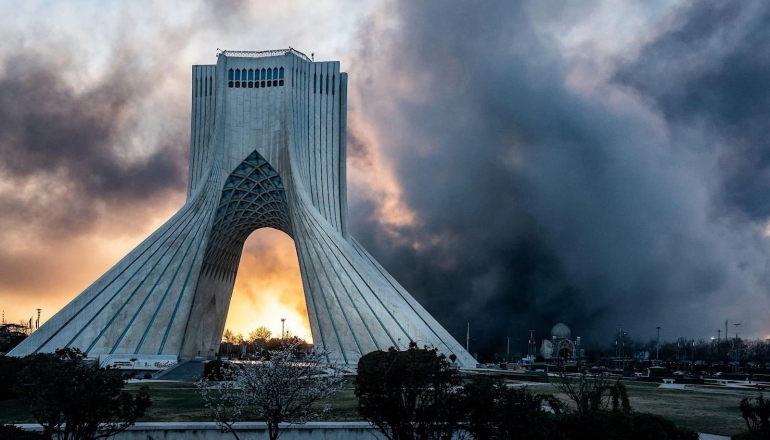
Renewables seen as a buffer against fresh energy shocks as conflict flares in the Middle East. (Photo: iStock)
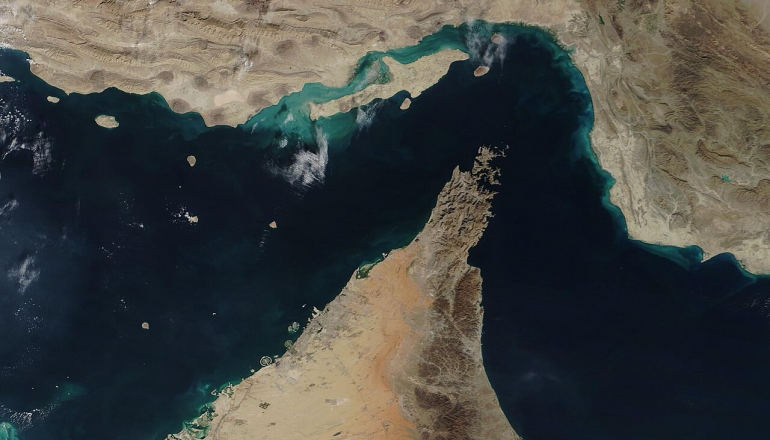
Joint missile strikes by the United States and Israel on Iran have triggered a sharp escalation in geopolitical risk, with Tehran moving to shut down the Strait of Hormuz—a vital chokepoint that handles roughly 20% of global oil shipments. The move has sent crude prices surging, with analysts warning that prices could climb toward US$100 a barrel. Gas markets are also bracing for renewed turbulence reminiscent of the shocks seen since Russia’s invasion of Ukraine.
Recent studies show that the Ukraine war exposed the vulnerability of fossil-fuel–dependent energy systems, while underscoring the strategic value of renewables in safeguarding energy security.