.jpg)
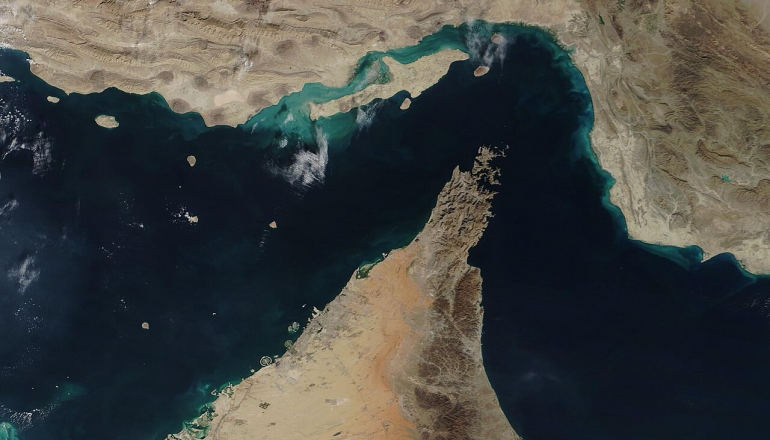
The critical artery for global oil transport faces potential disruption, pushing energy security rapidly to the forefront of national policy agendas. (Photo: iStock)
The U.S.-Israeli war on Iran could potentially disrupt the Strait of Hormuz, a critical waterway for global oil trade. Oil prices have surged, and market pressures are rippling across the globe, with Southeast Asian nations no exception. Thailand has launched emergency measures to safeguard the country’s oil and liquified natural gas (LNG) reserves, while Indonesia and Malaysia, as commodity exporters, are experiencing short-term stock market volatility but could see economic gains if energy prices remain elevated.
Thailand announced the activation of its Energy Emergency Surveillance Centre on Mar. 1, triggering emergency response plans for petroleum and LNG supplies with immediate effect. Meanwhile, energy security, once viewed as part of the broader energy transition agenda, is now moving to the center of national policy priorities.