.jpg)
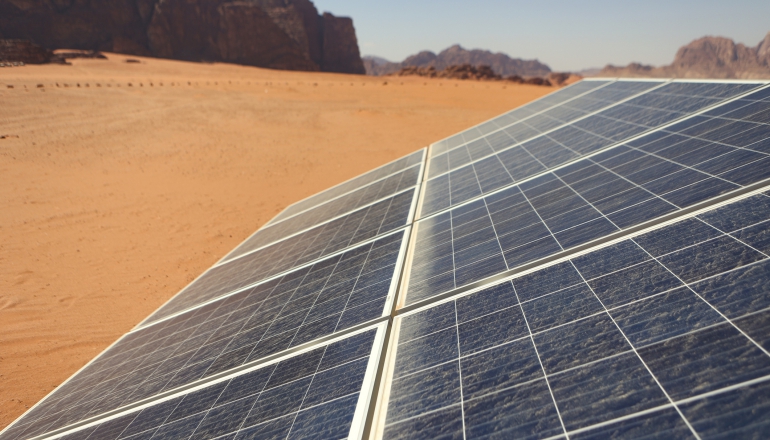
The Iran war is affecting global energy supply and could reshape energy investment. (Photo: iStock)
The conflict between the U.S. and Iran has entered its second week, pushing up prices of oil, natural gas and other energy commodities. Volatility in global energy markets has raised concerns that the conflict could further disrupt international energy supply chains.
From an investment perspective, however, the impact may be more limited. In an interview with RECCESSARY, a fund manager said investment decisions in renewable energy are typically made on time horizons of more than a decade. Short term shocks such as wars are therefore unlikely to change the long-term direction of the global energy transition, though they may lead governments to place greater emphasis on energy security.
War disrupts markets but long term renewable investment outlook unchanged
Last week, escalating tensions in the Iran war and the Strait of Hormuz closure sent global oil prices surging by more than 30%. Prices recently climbed above USD 100 per barrel and at one point approached USD 120, the highest level since the outbreak of the Russia-Ukraine war in 2022.
President Trump has said the Iran war will end “very soon” and plans to ease some oil related sanctions, while the US Navy is expected to escort tankers through the Strait of Hormuz. The announcement triggered further volatility in oil markets.
Vandana Hari, founder of energy market analysis firm Vanda Insights, said Trump’s claim that the war will end quickly is “not enough to restore normal tanker traffic through the Strait of Hormuz.” She added that the market may now be seeing panic selling by investors reacting to shifting headlines.
Hung Hua-jen (洪華珍), fund manager of the Allianz Global Investors Global Eco Trends Fund, said Asian countries rely heavily on natural gas supplies from the Middle East and are therefore highly exposed to disruptions. Europe, meanwhile, has already faced soaring electricity prices following the Russia-Ukraine war, and the Iran conflict could add further volatility. “Commodity prices are determined by supply and demand,” Hung said. “Once supply is constrained by shipping disruptions, spot prices will surge.”
Unlock this analysis to learn three key takeaways:
- Tensions around the Strait of Hormuz could reshape global energy markets and policy choices.
- Rising energy prices are testing the resilience of renewable investment.
- The Iran war is thrusting energy security back into the spotlight.