.jpg)
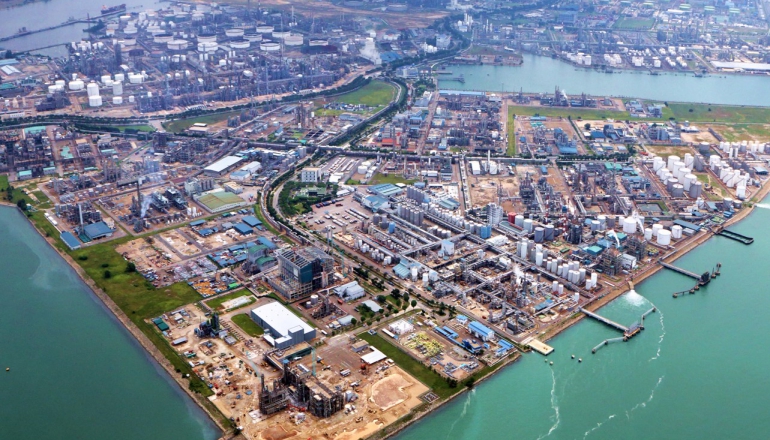
As the Asia-Pacific becomes the world’s fastest-growing data center market, Southeast Asia faces mounting pressure to protect its water resources and strengthen long-term resilience. (Photo: iStock)
Data centers are best known for their high electricity use, but their water needs also deserve closer scrutiny. As the Asia-Pacific becomes the world’s fastest-growing data center market, surpassing North America, the demand for cooling water is set to climb, especially in the hot, humid climates of Southeast Asia. And as governments across the region compete to attract international hyperscalers, the question becomes: how can they safeguard their water resources and ensure long-term resilience?
To meet this challenge, governments are beginning to rethink how data centers are planned, permitted, and supplied with water. Malaysia offers a timely example of how policy, infrastructure, and industry coordination are evolving in response.
Malaysia’s reclaimed water strategy for a booming data center hub
More than two-thirds of all data center capacity under construction in Southeast Asia is now committed in Malaysia, according to data center consultancy DC Byte. Johor alone hosts 15 operational data centers, with dozens more underway. Cooling these server clusters requires enormous volumes of water, an estimated 675 million cubic meters (178.3 billion gallons) per day, according to government figures. As Malaysia weighs long-term water security against rapid industrial expansion, AIR 2040, its 20-year national water blueprint, aims to position the country as a regional water hub, an increasingly urgent goal as the data center industry accelerates.