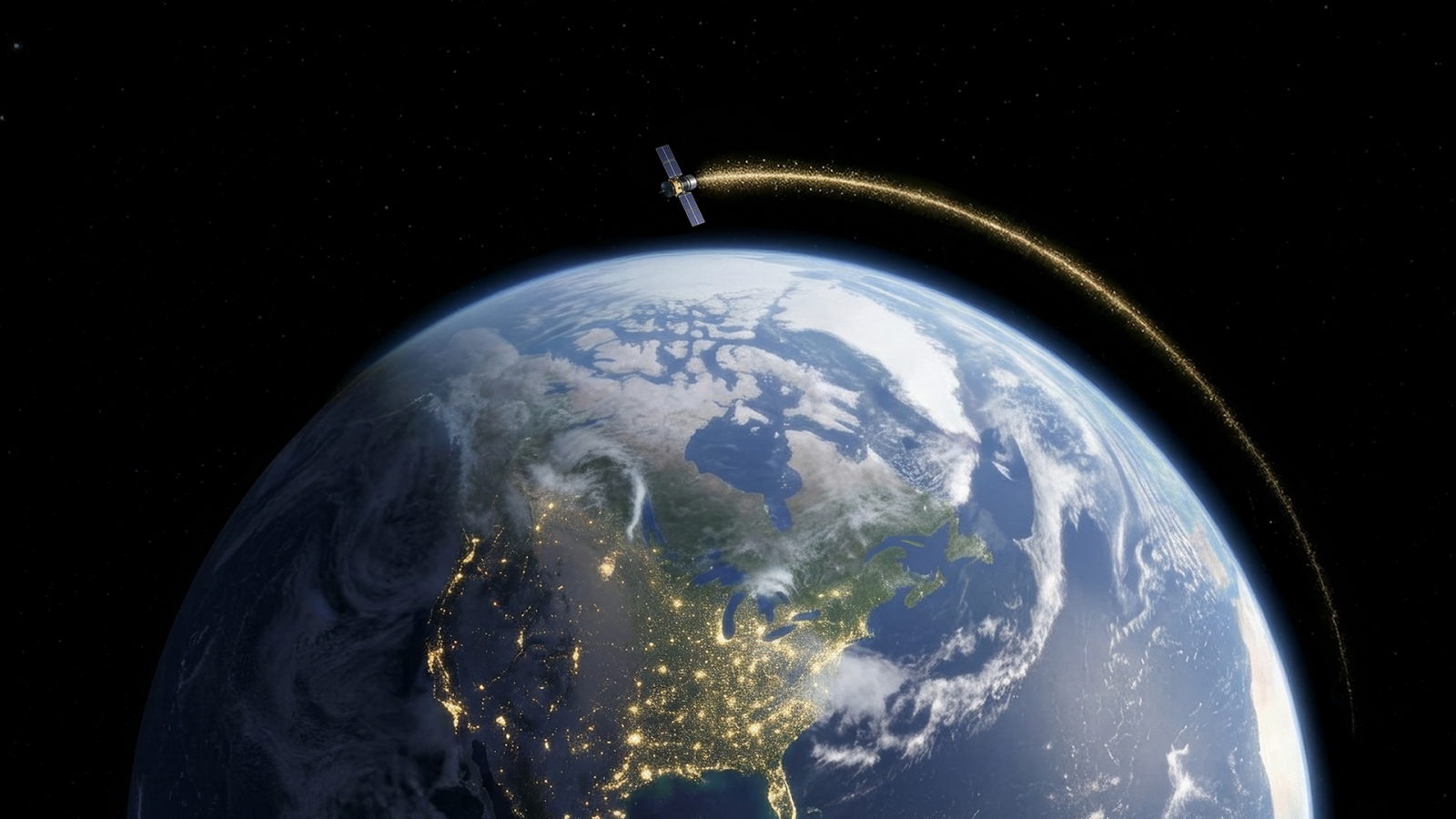
Energy is gaining prominence alongside advances in chips and models at NVIDIA GTC 2026. (Photo: NVIDIA)
Energy has emerged as one of the defining themes of NVIDIA GTC 2026. As AI infrastructure evolves toward massive "AI factories," innovations in high-efficiency power, advanced cooling, and renewable digital twins are becoming critical. RECCESSARY highlights five key energy takeaways from this year’s conference.
1. Energy as the foundation of AI growth
Energy is emerging as the binding constraint on how far and how fast AI can scale. In a blog published ahead of the conference, CEO Jensen Huang described AI as a “five-layer cake,” with energy forming the foundation. Every unit of intelligence generated in real time, he argued, is ultimately the result of electricity being converted into computation, involving electrons moving, heat being managed, and power being continuously supplied.
As AI models become more capable and widely deployed, demand is no longer limited by algorithms or hardware alone, but increasingly by how much energy systems can supply. The rapid adoption of open-source models, such as DeepSeek-R1, is accelerating this trend by expanding access and driving demand across the entire stack, from applications to infrastructure and power consumption, wrote Huang.
2. AI factories and the race for efficiency
The next phase of AI scaling will depend not only on more powerful chips, but on how efficiently each unit of electricity is converted into usable computation. During his over-two-hour keynote speech, Huang repeatedly mentioned the concept of “AI factories,” large-scale, continuously operating data centers producing intelligence in real time. In this model, efficiency becomes as important as raw computing power.
NVIDIA’s newly introduced NVIDIA Vera CPU reflects this shift. Rather than focusing solely on increasing processing capability, the chip is designed to reduce wasted work across AI systems. By improving how data flows through the system and minimizing idle time, it enables more output without a proportional increase in electricity consumption. NVIDIA aims to improve performance per watt, a metric that measures how much computing output can be delivered for each unit of electricity consumed and is increasingly central to data center economics.
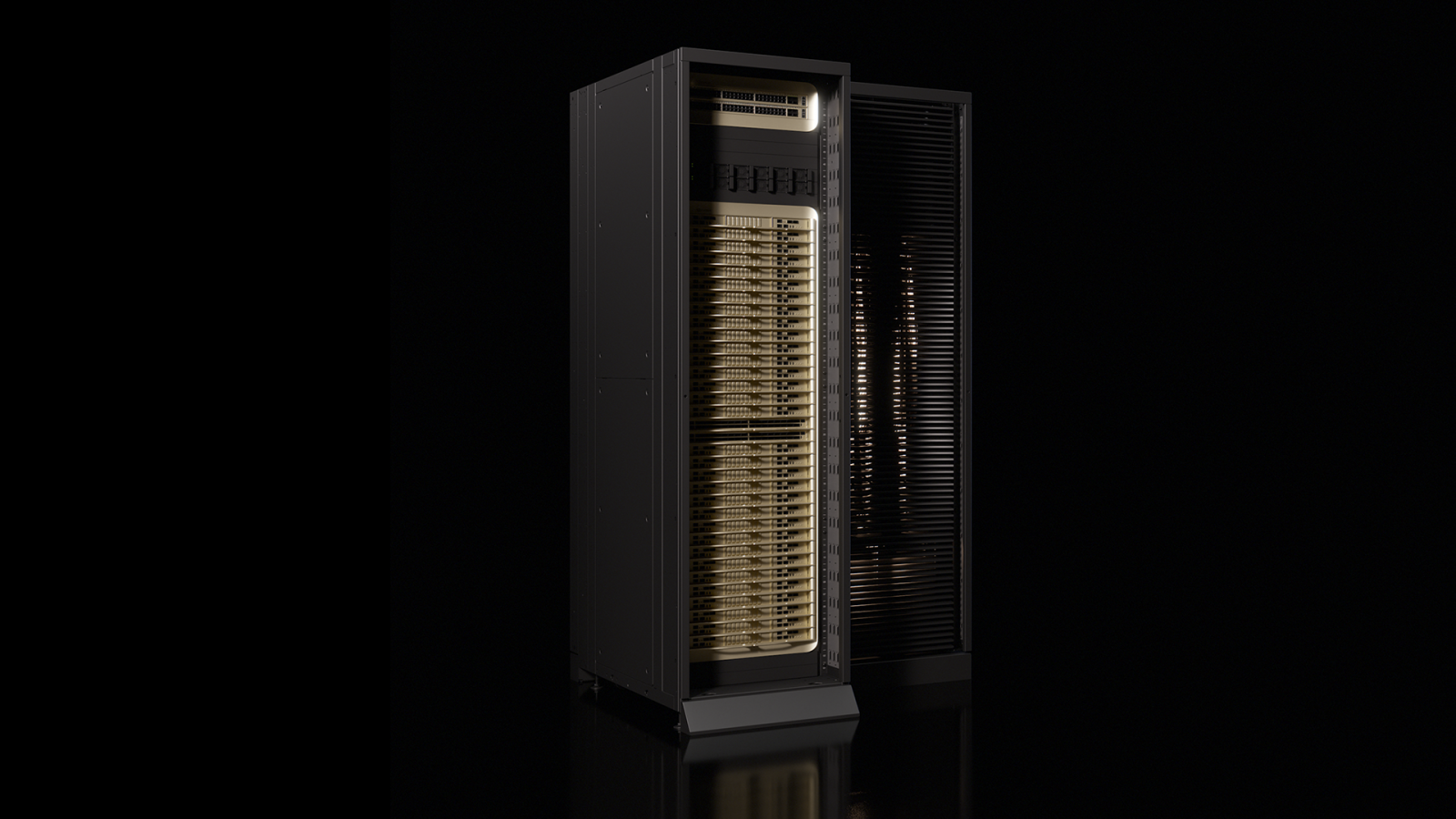
NVIDIA’s Vera CPU is designed to reduce system inefficiencies and improve performance per watt in AI workloads. (Photo: NVIDIA)
At the system level, the Vera Rubin platform also introduces full liquid cooling, using warm water to dissipate heat more efficiently. This reduces the burden on traditional cooling systems, which are among the most energy-intensive components of data centers.
3. Space computing introduces a new energy paradigm for AI
One of the most striking themes at GTC 2026 was NVIDIA’s push into “space computing,” where AI systems are deployed directly in orbit to process data at the source. The concept remains controversial. In February, Sam Altman, co-founder of OpenAI, described orbital data centers as “ridiculous with the current landscape.”
NVIDIA said its NVIDIA Jetson Orin and NVIDIA IGX Thor enable compact, energy-efficient AI processing on satellites, supporting real-time analysis without relying entirely on ground-based infrastructure.
Unlike terrestrial data centers, these systems are powered by solar energy in orbit, offering a continuous and renewable energy source. This opens up a new paradigm for AI infrastructure, where computation can scale alongside energy availability beyond the limitations of land, grid capacity, or fuel supply.
At the same time, operating in space introduces a different set of engineering considerations. As Huang noted, thermal management must rely on radiation rather than conventional cooling methods. These conditions make efficiency essential, not only to conserve power but also to ensure system stability in a tightly constrained environment.
Beyond infrastructure, space-based AI also has implications for energy systems on Earth. By processing satellite data in real time, these platforms can support applications such as monitoring energy grids, tracking infrastructure, and analyzing resource use at a global scale.
4. AI digital twins reshape renewable energy systems
Energy was not only discussed as a constraint at GTC, but also as an area of innovation. Renewable energy, in particular, was integrated into NVIDIA’s broader AI narrative.
Wave energy developer Eco Wave Power was featured during Huang’s keynote through a digital twin demonstration, illustrating how AI-driven modeling can improve the design and operation of energy infrastructure. Through digital twins, which are virtual replicas of physical systems, energy assets can be simulated, optimized, and maintained more efficiently.
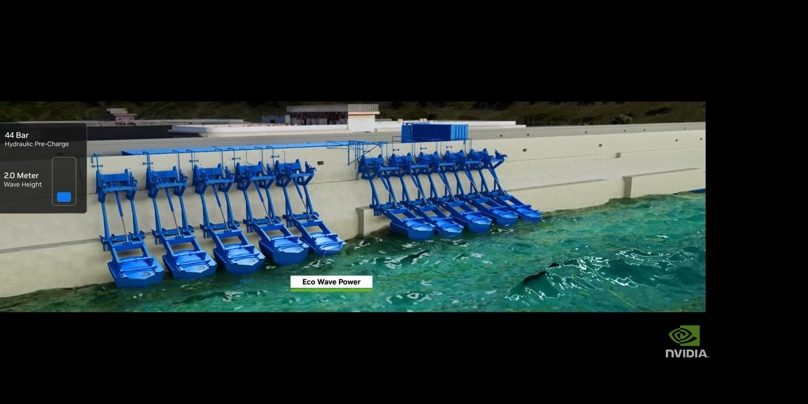
Eco Wave Power was featured at GTC through a digital twin demonstration highlighting AI-driven optimization of energy infrastructure. (Photo: Eco Wave Power)
Wave energy offers characteristics that make it increasingly relevant for powering AI systems. It provides relatively predictable and consistent generation, especially in coastal regions where many data centers and industrial hubs are located. Its ability to be deployed on existing structures, such as ports and breakwaters, also reduces the complexity of installation, said Inna Braverman, CEO of Eco Wave Power, in a statement.
5. Power and cooling systems further enhance energy efficiency
As AI workloads scale, power delivery and thermal management systems are evolving in tandem to meet next-generation requirements. to meet next-generation requirements. At GTC 2026, Taiwanese companies such as Delta Electronics and Lite-On Technology showcased their new high-voltage direct current (800V DC) architectures.
Both companies presented their new architectures designed to reduce energy losses in power conversion and improve efficiency at high power densities. Delta reported conversion efficiencies of up to 98%, alongside megawatt-scale liquid cooling systems capable of supporting dense AI racks. The company also emphasized the use of AI-enabled digital twin technology to optimize building and manufacturing energy use, demonstrating how virtual simulations can enhance efficiency alongside hardware improvements.
Lite-On presented a new generation of AI data center solutions built around the NVIDIA Vera Rubin platform, including 800V DC power rack architectures, 110 kW power shelves, and liquid-cooled systems designed for megawatt-scale deployment. It also showcased in-row cooling distribution units capable of supporting multi-megawatt workloads, reflecting growing demand for tightly integrated power and thermal solutions.
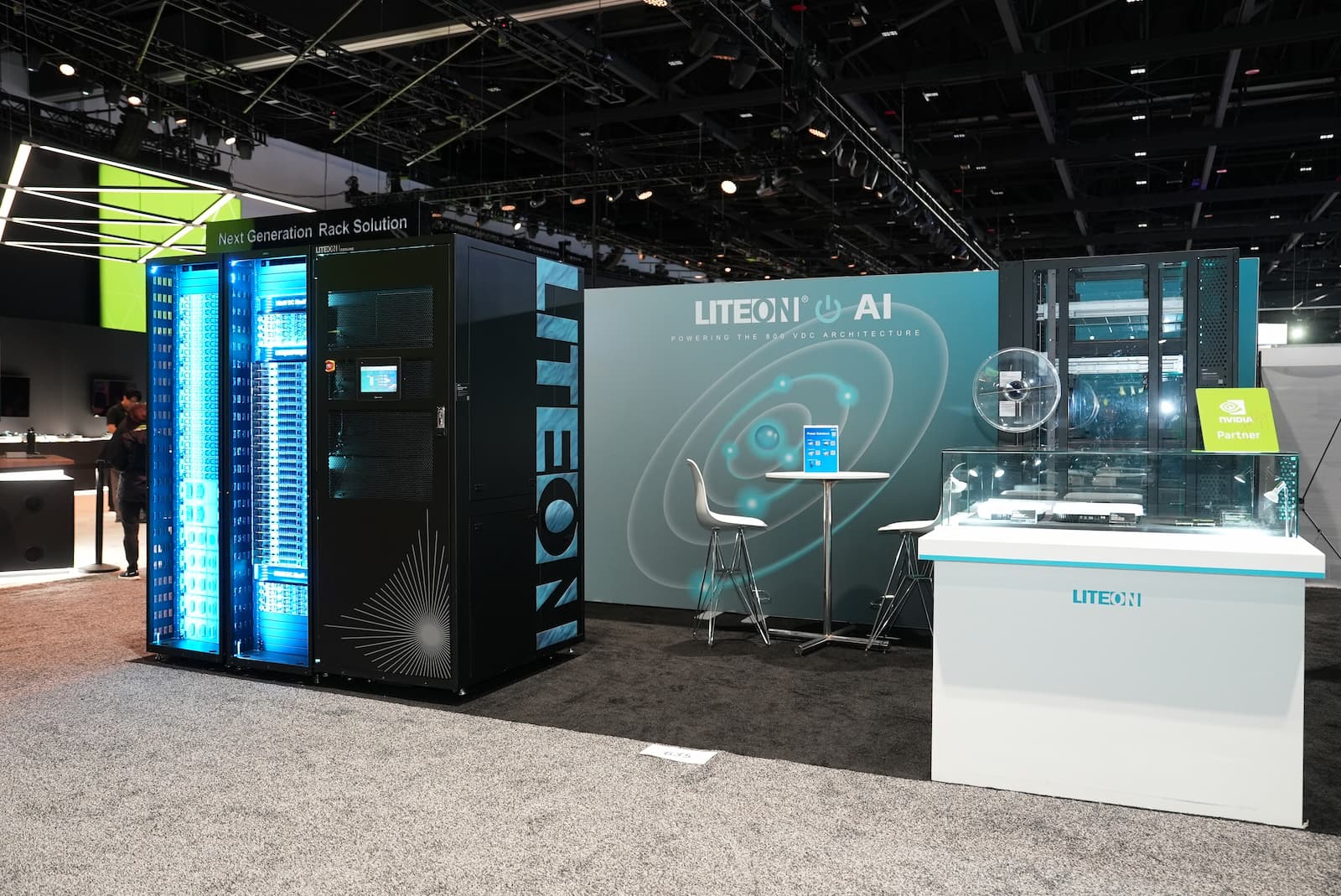
Lite-On showcased 800V DC power and liquid-cooled AI data center solutions based on the NVIDIA Vera Rubin platform. (Photo: Lite-On)
While NVIDIA’s GTC highlighted efficiency, innovation, and new frontiers such as space computing, the growing energy footprint of AI has also drawn external scrutiny. Greenpeace USA staged a mobile protest near the GTC venue, calling on NVIDIA to accelerate its transition to renewable energy, particularly across its global supply chain, where a significant share of hardware manufacturing, including in Taiwan, remains tied to carbon-intensive power sources.