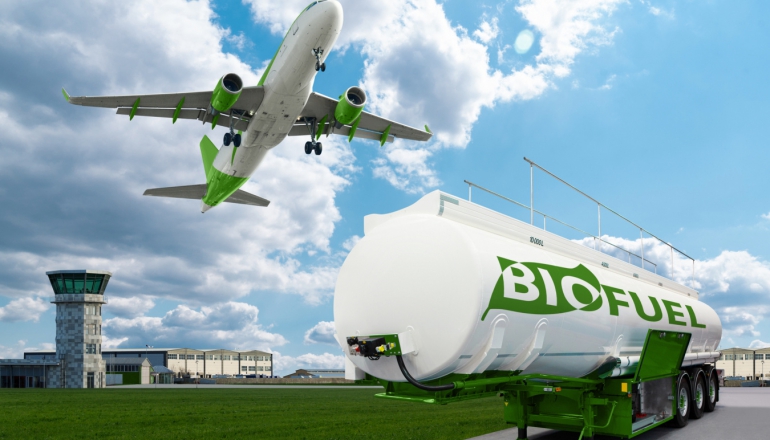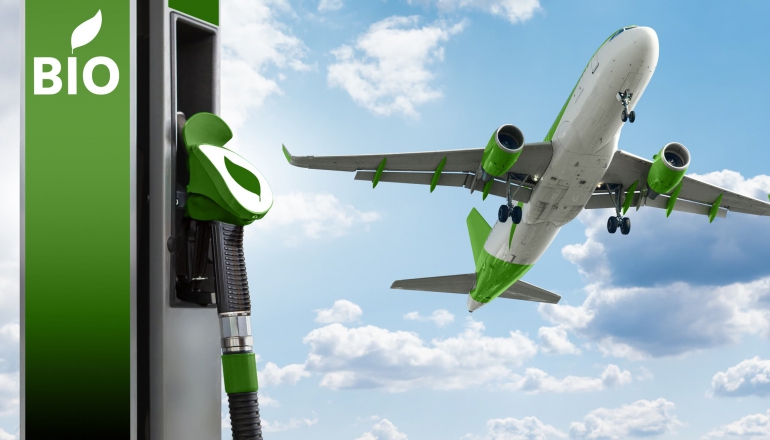
With SAF still out of reach at scale, how are Southeast Asian airlines decarbonizing? (Photo: iStock)
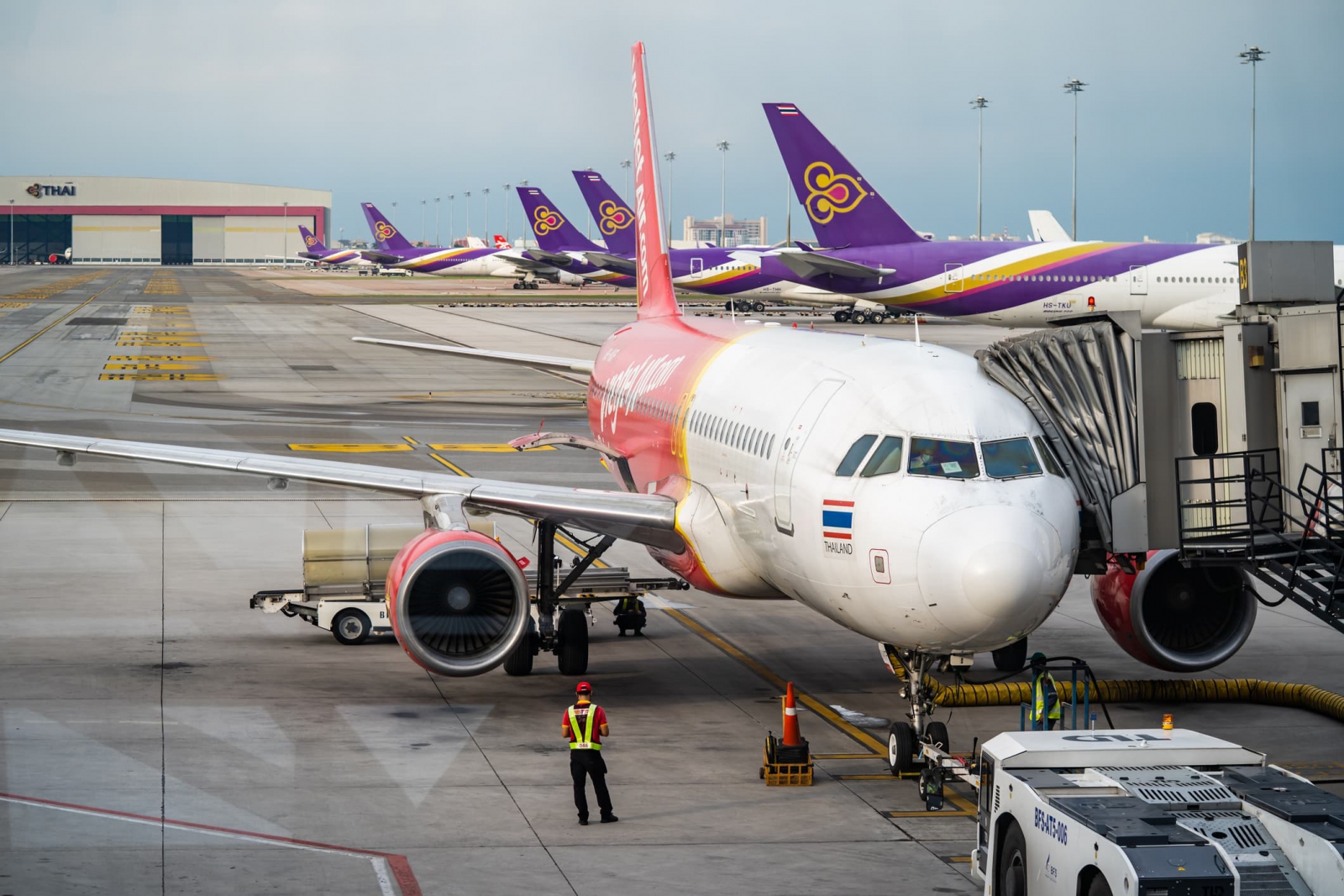
Sustainable aviation fuels (SAF) are increasingly seen as the primary pathway for the aviation sector to decarbonize, a consensus that is also taking shape across Southeast Asia. In December 2025, Thailand’s aviation regulator and eight domestic airlines signed a memorandum of understanding to promote the use of SAF, aligning the industry with global climate targets and the long-term goal of net-zero aviation emissions.
Yet the Thai case also underscores a challenge shared across ASEAN. Regulators have acknowledged that high costs remain the single largest barrier to SAF adoption, with prices still significantly higher than those of conventional jet fuel. For many airlines, large-scale SAF use remains a longer-term ambition rather than an immediate operational reality.
With SAF still out of reach at scale, airlines across Southeast Asia are entering a run-up phase, where near-term decarbonization strategies will shape how smoothly the sector can eventually take off toward net-zero aviation.