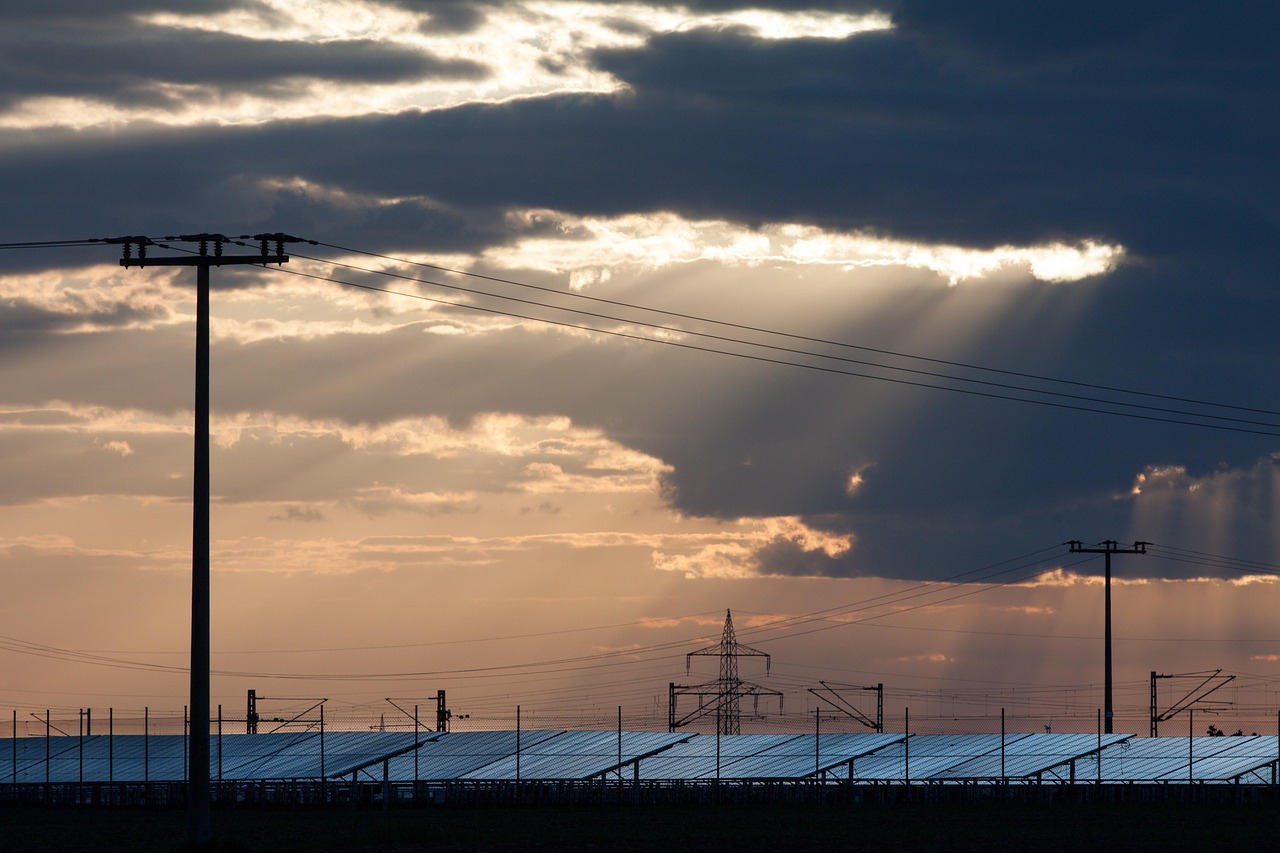
Investor confidence in Taiwan’s solar market declines amid policy uncertainty and weakening business environment. (Image: Pixabay)
Taiwan’s solar sector has faced a difficult year. According to data from the Energy Administration of Ministry of Economic Affairs (MOEA), only 738 MW of new solar capacity are installed as of August, putting the industry on track for a record low in annual additions. In a further sign of waning confidence, several international energy investment firms have reportedly begun exiting the market and seeking buyers for their renewable assets.
With opposition parties pushing to tighten solar development regulations, RECCESSARY spoke with several renewable energy firms and foreign investors to understand the shift in sentiment. Many point to an increasingly difficult investment environment and a lack of policy clarity as key reasons for exiting the market.
Project development timelines, once typically three to four years, have now extended to seven or eight. The most significant delays stem from land approvals and administrative procedures at the local level. If environmental impact assessments, currently without clear guidelines, are added to the process, early-stage development could extend to nearly a decade, compounding uncertainty for investors.
Solar rollout slows amid red tape, policy caution, and social pushback
Taiwan’s cumulative solar installed capacity surpassed 15 GW this year, a significant increase from 4 GW in 2015. Despite this progress, industry sentiment about the future remains largely pessimistic. Following Typhoon Danas in July, scrutiny has intensified over the supervision and management of solar projects. In response, opposition lawmakers have proposed amendments to tighten regulatory oversight, which is expected to further prolong project development timelines.